
































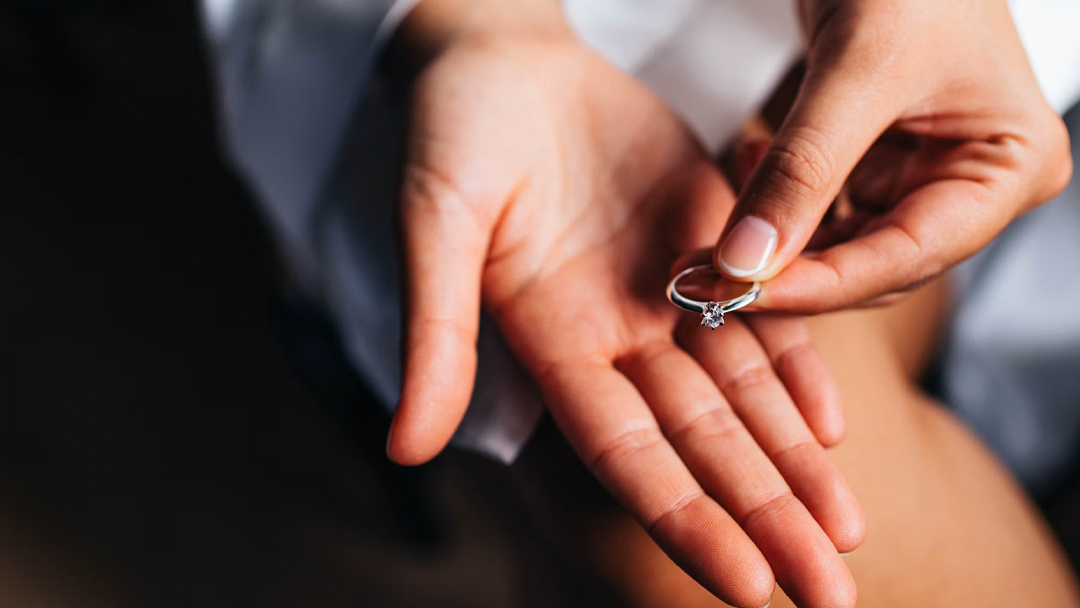
A diamond purchase usually ends with a receipt and not much else. If a prong loosens in year two or the stone needs a fresh appraisal, the person who took your money is often long gone from the equation, especially if you bought through a site that just pointed you toward someone else’s inventory.
Rare Carat was built to close that gap. It’s a technology-driven online jeweler that sells natural and lab-grown diamonds and finished fine jewelry, and it stays involved after checkout instead of handing you off to a third party.
What is Rare Carat?
Rare Carat sells diamonds and jewelry directly, which matters more than it sounds. The company acts as the merchant of record on every order, meaning you’re buying from Rare Carat itself, not from a dealer it happens to list. That single detail shapes everything else about the experience, from who answers your support ticket to who honors the warranty.
The catalog runs across more than 2 million certified diamonds, both natural and lab-grown, along with 2,300+ ring settings available in 7 metal options. That’s a wide enough range to cover a simple solitaire or a more elaborate eternity band without switching sites midway through a decision.
Pricing sits below traditional retail across the board, with certified stones running 20-50% under standard jewelry-store prices and lab-grown diamonds coming in 60-80% cheaper than natural stones of similar size and grade. For buyers weighing the two, that gap is often the deciding factor, and it’s worth reading up on how lab-grown and natural diamonds actually differ before picking a lane.
How the buying process actually works
Shopping starts the same way it would on any diamond site: filter by shape, carat, color, and clarity. Where Rare Carat splits off is what happens once you’ve narrowed the list.
Every stone carries an AI-generated price and quality score, built to flag whether a diamond is priced fairly against comparable stones rather than just marked up because of the shape’s popularity. The company says shopping with those scores instead of relying on sticker price alone can save buyers up to 40%.
From there, you can request a free consultation with one of the company’s GIA-trained gemologists, a group more than 100 strong, who will walk through a specific stone’s grading report and point out anything that looks better on paper than it would in person. Checkout, billing, and everything after the sale routes back through Rare Carat rather than an outside seller, which is the part that separates a full-service jeweler from a listing site.
The verification step most sites skip
Anyone can publish a grading report. Rare Carat backs up the paperwork by physically verifying the diamond and its certificate, including checking the laser inscription under high magnification to confirm the stone in hand matches the one on the report. That’s a manual step a pure comparison site has no way to offer, since it never touches the physical inventory.
The Gemological Institute of America issues the grading reports and trains the gemologists Rare Carat relies on, and its laser inscription system is the same one jewelers worldwide use to match a stone to its paperwork. Rare Carat layering its own physical check on top of that report gives buyers a second set of eyes before the stone ships.
Key features worth knowing about
360° video, not static photos. Every diamond in the catalog is shot in rotating high-resolution video, so you can check for inclusions or a tint that a flat product photo would hide.
A lifetime upgrade path. Buyers who meet the qualifying purchase threshold can trade up to a larger or higher-grade stone later. Eligible natural GIA diamonds need a 3x qualifying purchase and lab-grown diamonds need 2x, a detail worth knowing if you expect to upgrade a ring down the road for an anniversary or a bigger stone.
A settings library that isn’t an afterthought. With 2,300+ settings spread across 7 metal options, the finished-jewelry side gets nearly as much attention as the loose-diamond catalog, which isn’t always true of sites that started as pure diamond marketplaces. If you’re weighing setting styles, it’s worth checking current ring design trends before locking in a choice.
After the sale
A diamond purchase doesn’t end at checkout, and Rare Carat’s policies reflect that. Orders come with a 30-day return window, a lifetime manufacturer’s warranty on the jewelry itself, and the upgrade program described above. Because Rare Carat is the merchant of record, warranty claims and returns route back to the company that sold you the ring, not a third-party vendor it once linked to.
Rare Carat says it’s the USA’s best-rated jeweler on Trustpilot and reports having served 100K+ happy couples, a scale that suggests the model holds up outside of a small pilot group.
Where it falls short
No online jeweler fully replaces holding a stone under a jeweler’s loupe before you buy, and Rare Carat is no exception. The 360° video and gemologist consultations close most of that gap, but a buyer who wants to physically compare three rings side by side in a showroom won’t get that here.
The sheer size of the catalog, over 2 million certified diamonds, can also work against a first-time shopper. Without using the price and quality scoring or booking a gemologist consult, it’s easy to get lost comparing dozens of near-identical stones.
Diamonds and fine jewelry are also the whole business. Buyers looking for a broader jewelry selection, like fashion pieces unrelated to engagement or wedding jewelry, are shopping outside what Rare Carat sells.
Who should buy here
Rare Carat fits a specific kind of buyer well: someone comfortable researching online, who wants GIA-backed data and a real person to sanity-check a stone before spending several thousand dollars on it.
It’s a weaker fit for someone who wants to try rings on in person before deciding, or who’s shopping for jewelry categories outside diamonds and fine jewelry, like fashion pieces or watches.
The Verdict
Rare Carat earns its spot by doing something a lot of diamond sites don’t bother with: staying on the hook after the sale. The merchant-of-record model, physical verification, and the free gemologist consultations add up to a buying process that feels closer to a trusted local jeweler than a listings page, just without the showroom.
If you’re shopping for an engagement ring, a wedding band, or an eternity ring and want data to back up the price you’re paying, it’s worth starting with a free gemologist consultation before you commit to a stone.