























Albania is often introduced through a list of highlights: the beaches of the Riviera, the stone streets of Gjirokastër, the mountain scenery of the north, and the lively cafés of Tirana. All of them are worth seeing. Yet the country becomes far more memorable when the goal is not simply to collect destinations, but to spend enough time in each place to understand its rhythm.
That is the idea behind slow travel. It is not about moving at the slowest possible pace or avoiding famous attractions. It is about choosing depth over quantity: staying longer, traveling overland when it makes sense, supporting local businesses, eating food connected to the region, and allowing room for conversations and unexpected discoveries. Albania is particularly well suited to this style of travel because distances are relatively compact, regional identities are strong, and hospitality remains an important part of everyday life.
Slow travel in Albania means seeing fewer places, but experiencing them with more context, more local connection, and less pressure to rush.
1. Stay Longer in One Region
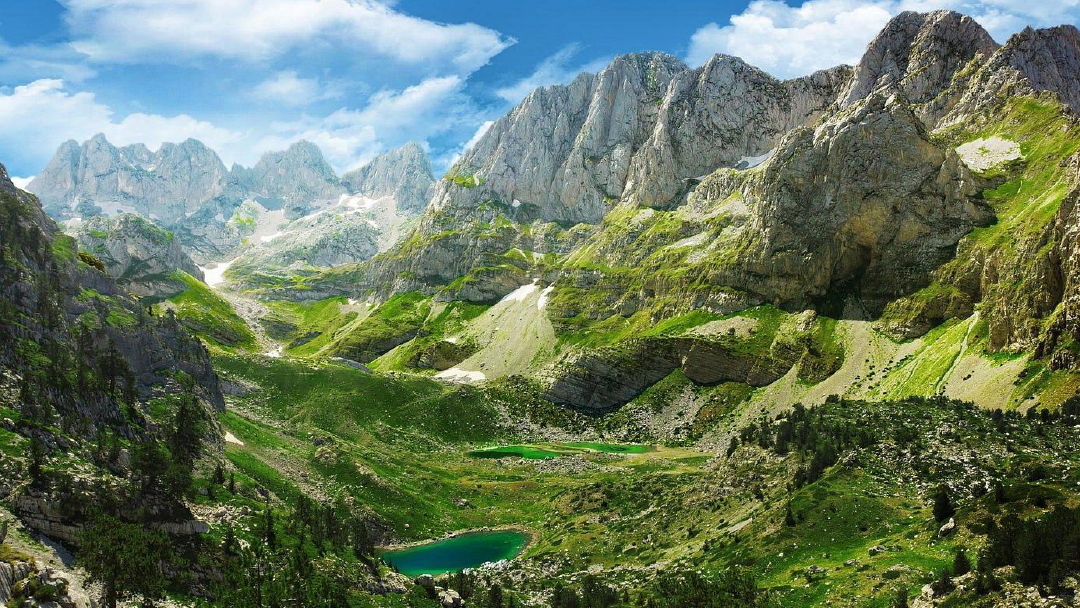
One of the easiest ways to travel more meaningfully is to reduce the number of stops. Albania may look small on a map, but its regions feel distinct. The north has a different landscape, pace, and food culture from the south; inland towns offer a different experience from the coast. Trying to cover Tirana, the Albanian Alps, Berat, Gjirokastër, and the Riviera in a few days can turn the trip into a sequence of transfers rather than an experience of the country.
Instead, choose a region and give it time. A few nights in Berat, for example, allow you to go beyond the castle and old quarters. You can visit nearby villages, try local dishes without watching the clock, and experience the city after day-trippers leave. On the Riviera, staying in one coastal base for several nights makes it possible to alternate beach time with village walks, short hikes, and unplanned meals by the sea.
2. Travel Overland and Let the Journey Be Part of the Trip
Slow travel often changes the way you think about transportation. Instead of treating the journey between destinations as wasted time, it becomes part of the experience. Albania’s buses, minibuses, and road routes connect cities, coastal areas, and many smaller towns. The system can feel informal compared with highly standardized transport networks elsewhere in Europe, but that informality can also create memorable encounters.
A road journey through Albania reveals the landscape gradually: olive groves, mountain passes, rivers, roadside cafés, and villages that would disappear from view if you were focused only on major attractions. Renting a car can provide additional flexibility, especially in rural areas, but the slow-travel principle remains the same: avoid building a schedule so tight that every stop becomes a race against time.
3. Choose Family-Run Guesthouses and Small Hotels
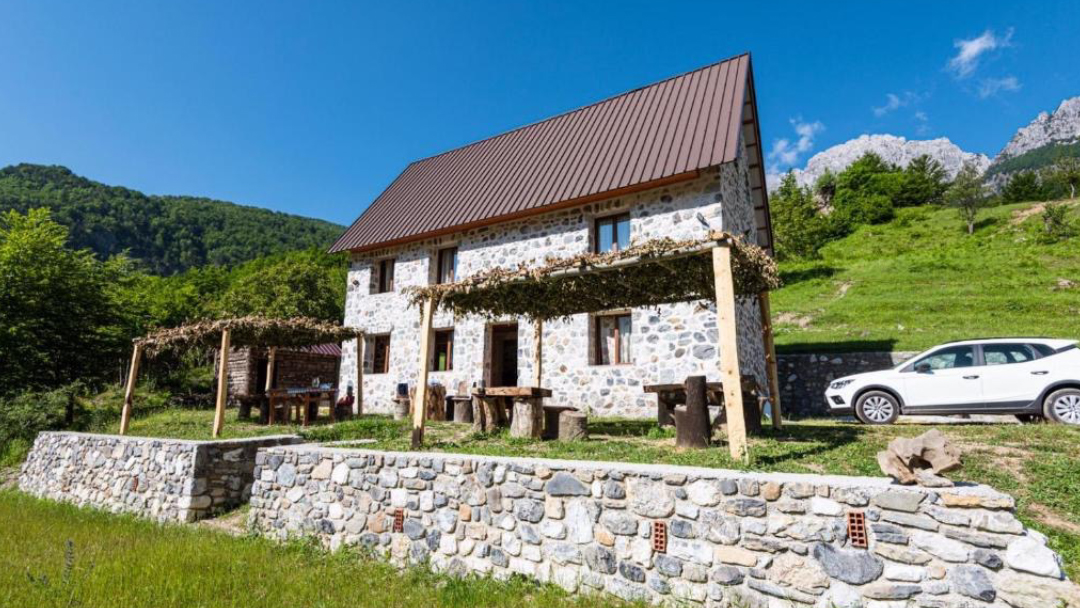
Where you stay can shape the entire character of a trip. Albania has a growing range of boutique hotels and modern accommodation, but family-run guesthouses remain one of the best ways to experience local hospitality. In mountain villages, historic towns, and rural areas, a guesthouse may offer far more than a room. Breakfast can feature homemade jam, local cheese, eggs, bread, honey, or seasonal produce, while the hosts may be the best source of advice about nearby walks and lesser-known places.
Staying with smaller local businesses also keeps more tourism spending within the community. For the traveler, the reward is often a more personal experience: a conversation over coffee, a recommendation that never appears in a guidebook, or a meal prepared with ingredients from the surrounding area.
4. Experience Albania Through Its Food
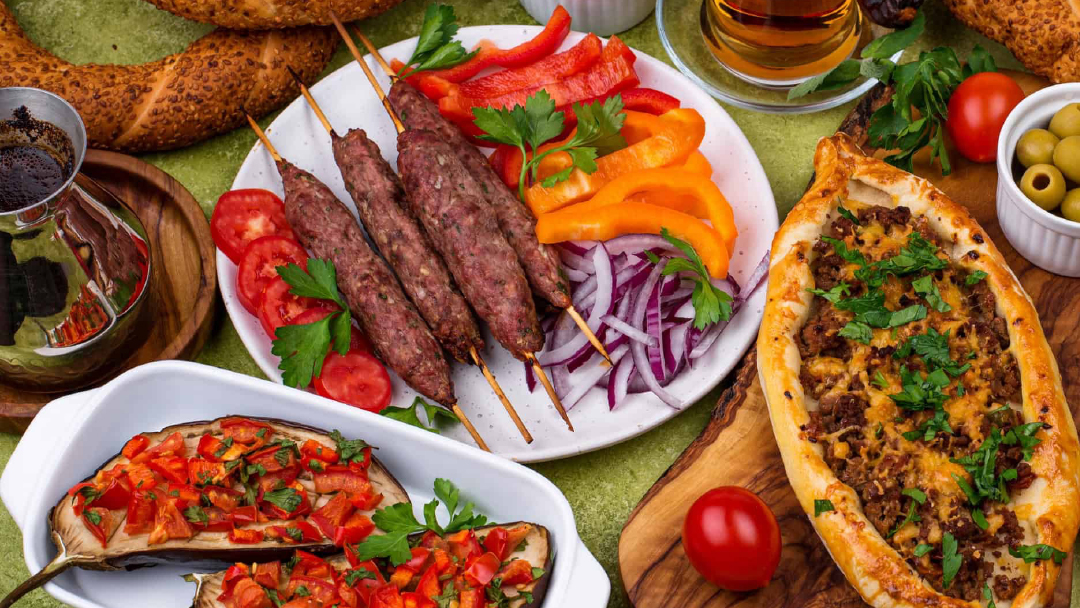
Food is one of the most direct ways to understand Albania’s regional character. Rather than searching only for restaurants with long online review lists, slow down enough to notice bakeries, neighborhood taverns, markets, and family-run places serving a small number of local dishes. The experience changes from one region to another, with influences from the Mediterranean, the Balkans, mountain traditions, and neighboring cuisines.
Ask what is seasonal. Try dishes associated with the place you are visiting. Spend a morning at a market, stop for coffee without turning it into a five-minute break, and choose restaurants where lunch is allowed to be lunch rather than a quick refueling stop. Even familiar ingredients can tell a story when you know where they came from and how they are used locally.
5. Make Space for Villages and Smaller Towns
Albania’s best-known cities deserve their reputation, but meaningful travel often happens in places that receive fewer visitors. A village near a popular destination may offer a quieter walk, a traditional meal, or a landscape that feels completely different from the nearby tourism hub. Smaller towns can also provide a clearer view of everyday life because they are not organized primarily around visitors.
This does not mean searching for places simply because they are ‘undiscovered.’ The goal is not to turn every quiet location into the next must-see destination. It is to spread your time and spending more thoughtfully, approach communities with respect, and appreciate ordinary places without expecting them to perform for tourism.
6. Spend Time in Nature Without Treating It as a Checklist
From the Albanian Alps to coastal trails, lakes, river valleys, and national parks, the country offers many opportunities to slow down outdoors. A meaningful nature experience does not have to involve completing the most famous hike or reaching every viewpoint. Sometimes the better choice is a shorter walk with time to stop, observe, and enjoy the landscape.
In mountain areas, staying an extra day can protect the trip from becoming dependent on perfect weather. On the coast, an early morning walk can reveal a completely different atmosphere from the same place at midday. Wherever you go, follow local guidance, respect protected areas, carry out your waste, and avoid damaging trails or natural sites for the sake of a photograph.
7. Learn a Few Words and Be Curious
You do not need to speak Albanian to travel comfortably, especially in major destinations, but learning a few basic words can change the tone of an interaction. A greeting, a thank-you, or an attempt to pronounce a place name shows interest and often opens the door to warmer exchanges.
More important than vocabulary is curiosity. Ask a host about the region. Ask what people eat at home, what nearby place they enjoy, or how the area changes outside the summer season. Listen without turning every conversation into content. Slow travel works best when local people are not treated as part of the scenery, but as people whose home you are visiting.
8. Travel Outside the Busiest Weeks When Possible
Albania’s coast can be very busy during the height of summer, while spring and early autumn often offer a different experience. Traveling outside peak periods can mean quieter streets, easier restaurant reservations, more comfortable temperatures for walking, and more time to interact with local businesses.
Seasonality matters, however. Some coastal services may operate on reduced schedules outside summer, while mountain conditions can change quickly. Slow travel is not about assuming the off-season is always better; it is about choosing the season that matches the experience you want and planning with local conditions in mind.
9. Build an Itinerary With Empty Space
A slow-travel itinerary should not be full from morning to night. Leave part of each day unplanned. That empty time is what allows you to stay longer at a café, follow a local recommendation, return to a place you liked, or simply rest. It also reduces the frustration that comes when transport takes longer than expected or weather changes your plans.
A useful rule is to choose one main activity or destination for the day and treat anything else as optional. This may look less impressive on a spreadsheet, but it usually feels much richer in real life.
10. Think About What Your Visit Leaves Behind
Meaningful travel also includes responsibility. Choose local guides and businesses when possible. Avoid leaving rubbish at beaches, viewpoints, or hiking routes. Be thoughtful about water and energy use, particularly in areas under pressure during the summer. Ask permission before photographing people closely, and remember that historic neighborhoods are also residential communities.
No trip is perfectly sustainable, and travelers do not need to turn every choice into a moral test. The more useful question is whether your decisions help you connect with the place while minimizing unnecessary pressure on it. Small choices, repeated throughout a journey, can make a real difference.
A Better Way to Remember Albania
The greatest advantage of slow travel is not that you return home having seen less. It is that the places you did see are easier to remember. Instead of recalling a blur of hotels, roads, and photo stops, you remember the café where you spent a long morning, the guesthouse breakfast, the road through the mountains, the beach you returned to twice, or the conversation that changed your plans for the next day.
Albania rewards that kind of attention. Its appeal is not limited to a collection of famous sights. It is found in the distances between them, in regional traditions, local food, hospitality, and in the everyday rhythm of places that make more sense when you stop rushing through them.
For travelers who want to explore the country at a more thoughtful pace, Bora Travel can also be a useful starting point for discovering destinations, travel ideas, and experiences across Albania. Rather than trying to fit everything into one trip, the goal is to build an itinerary that leaves enough time to actually experience the places you visit.
For those willing to exchange a packed schedule for a little more time, Albania can become more than a destination. It becomes a place experienced through connection, curiosity, and the freedom to stay awhile.