




























Ahead of World AIDS Day (1 December), a new report by UNAIDS shows that the world can meet the agreed goal of ending AIDS as a public health threat by 2030 – but only if leaders protect the human rights of everyone living with and at risk of HIV. The report’s message is summed up in its title: “Take the rights path to end AIDS”.
“Despite huge progress made in the HIV response, human rights violations are still preventing the world from ending AIDS,” said Winnie Byanyima, Executive Director of UNAIDS. “When girls are denied education; when there is impunity for gender-based violence; when people can be arrested for who they are, or who they love; when a visit to health services is dangerous for people because of the community they are from—the result is that people are blocked from being able to access HIV services that are essential to save their lives and to end the AIDS pandemic. To protect everyone’s health, we need to protect everyone’s rights.”
Of the 39.9 million people living with HIV, 9.3 million people are still not accessing life-saving treatment. Last year, 630 000 people died of AIDS-related illnesses, and 1.3 million people around the world newly acquired HIV. In at least 28 countries, the number of new HIV infections is on the rise. To bring down the trajectory of the pandemic, it is imperative that lifesaving program can be reached without fear by all who need them.
Every day in 2023, 570 young women and girls aged between 15 and 24 acquired HIV. In at least 22 countries in eastern and southern Africa, women and girls of this age group are three times more likely to be living with HIV than their male peers.
“No girl should be denied the education and information she needs to help stay safe. Discrimination and violence against girls must be tackled as a human rights and health emergency,” said 21-year-old HIV activist Nomonde Ngema.
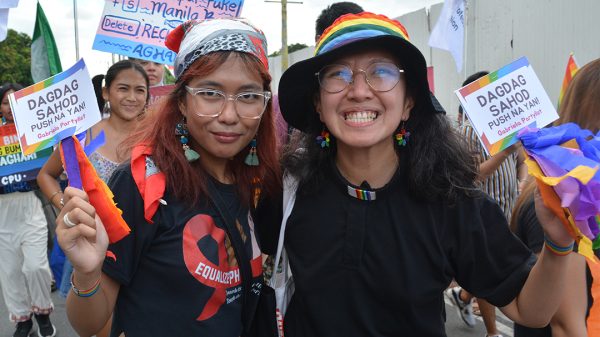
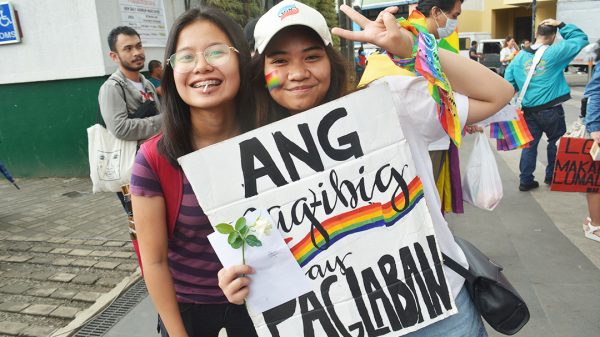
Criminalization and stigmatization of marginalised communities is obstructing access to life-saving HIV services. In the 2021 Political Declaration on Ending HIV/AIDS, countries committed to ensure that by 2025 less than 10% of countries have restrictive legal and policy frameworks that lead to the denial or limitation of access to HIV services. However, in 2023, 63 countries still criminalize same-sex relations. These laws are hindering the HIV response: Among gay men and other men who have sex with men, HIV prevalence is five times higher in countries that criminalize same-sex relations than in those that do not. than in those that do not.
“Punitive laws and policies keep vulnerable people away from the help they need to prevent HIV, test for HIV, and treat HIV,” said Axel Bautista, Community Engagement Manager at MPact Global Action for Gay Men’s Health & Rights. “Instead of punishing marginalized communities, governments need to uphold their human rights.”
Science continues to innovate against AIDS. Long-acting medicines that only need to be injected a few times a year could tip the scales but only if a human rights approach is taken to share the technology to bring down prices and enable production in every part of the world.
“Medical tools that save lives cannot be treated merely as commodities,” said Alexandra Calmy, HIV lead at the University Hospitals of Geneva. “The revolutionary therapeutic and preventive options currently being developed must be made accessible without delay to achieve universal reach.”
“We know the pathway to building a society in which we all thrive,” said Jeanne Gapiya-Niyonzima Founder of ANSS, and the first person in Burundi to public announce that they were living with HIV. “If the world wants to end AIDS as a public health threat, it needs to protect the rights of every person.”