






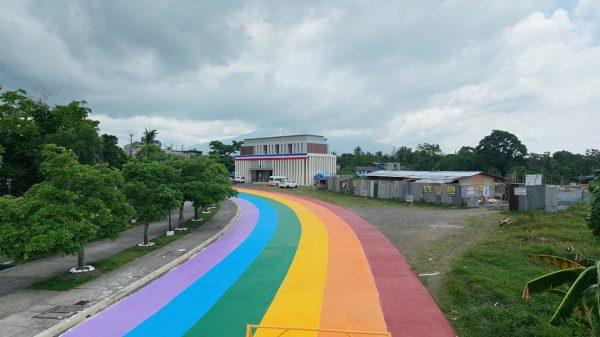


This is part of #KaraniwangLGBTQIA, which Outrage Magazine officially launched on July 26, 2015 to offer vignettes of LGBTQIA people/living, particularly in the Philippines, to give so-called “everyday people” – in this case, the common LGBTQIA people – that chance to share their stories.
As Outrage Magazine editor Michael David C. Tan says: “All our stories are valid – not just the stories of the ‘big shots’. And it’s high time we start telling all our stories.”
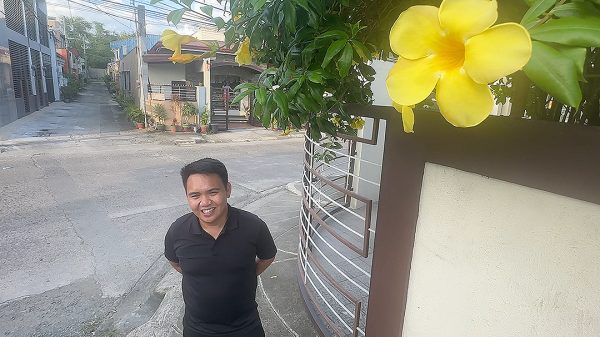
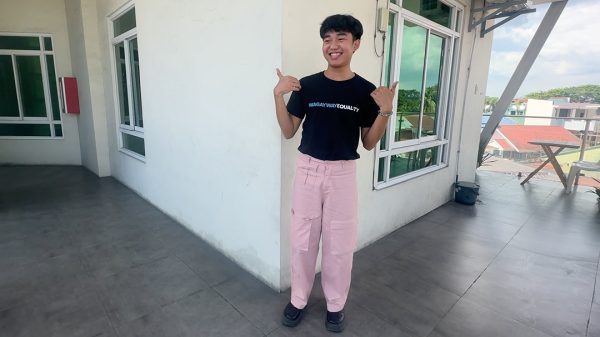
Chris Bryan Vargas, who is in his 20s and resides in Pilar Village in Las Piñas City, identifies as gay. But he stresses that he’s a “manly gay”. As the youngest of two kids, Chris believes his identity was influenced by female relatives.
“I’m in a family with many women,” he said in Filipino, “so I’m just accepted as gay. My family supported this.”
Besides, he added, “they wanted (me to be effeminate). They used to dress me up in girls’ clothes.”
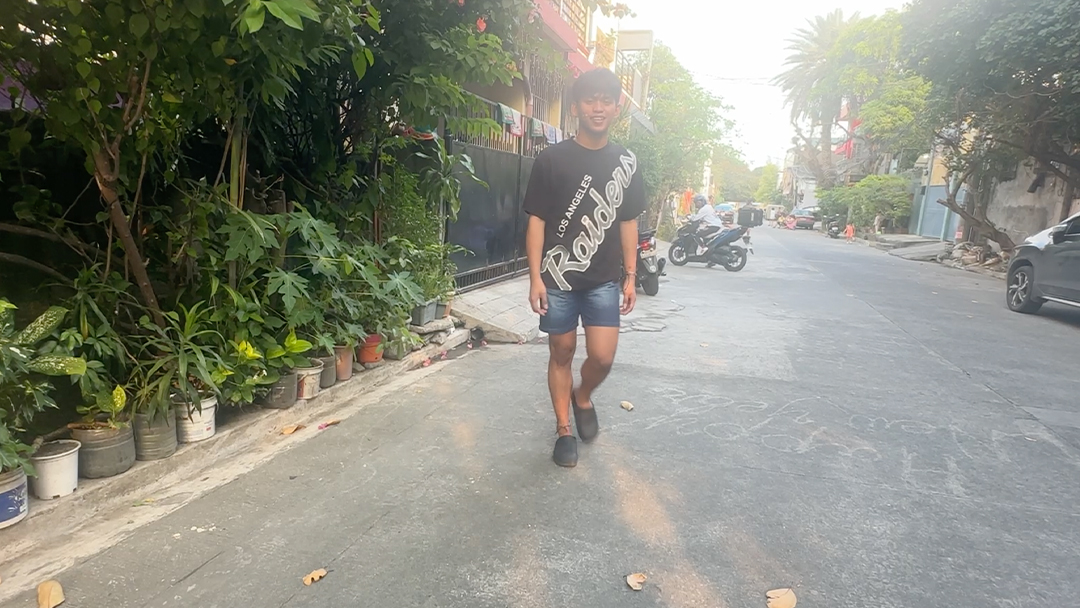
And though his family accepted him, Chris still experienced discrimination.
“Discrimination is always there. It won’t disappear,” he said. “You will experience discrimination.”
In his case, being badmouthed, being verbally abused for being LGBTQIA+ has been a regular experience. And in his case, to deal with this, “I keep it to myself to overcome it,” he said. “You only have yourself to lean on. No one can help you, unless you have a friend. In the end, only you can help yourself to overcome discrimination and what others say about you.”
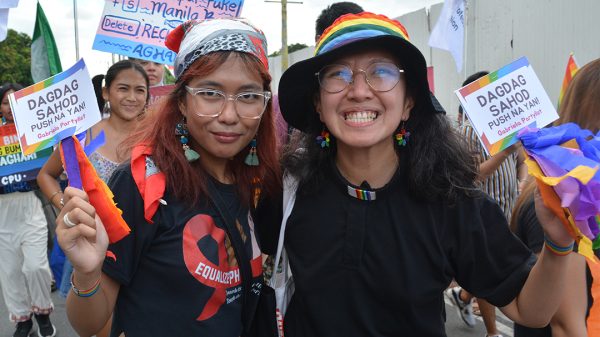
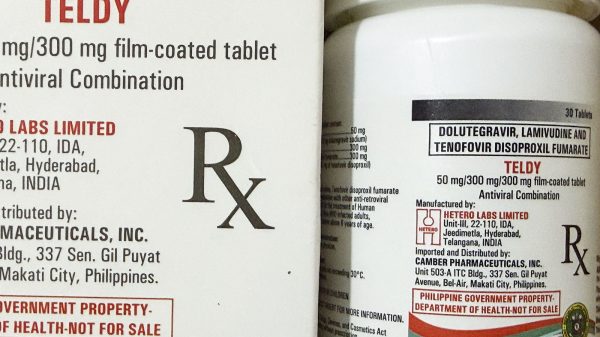
Having done Bachelor of Arts in Political Science in the Pamantasan ng Lungsod ng Muntinlupa, Chris believes younger LGBTQIA+ people fare okay in Las Piñas. But, of course, there are still many issues faced by the rainbow community, including HIV among LGBTQIA+ youth.
“There’s that stigma that HIV comes from LGBTQIA+ people,” he said. “We should do something to change this perspective because HIV does not necessarily come from LGBTQIA+ people.”
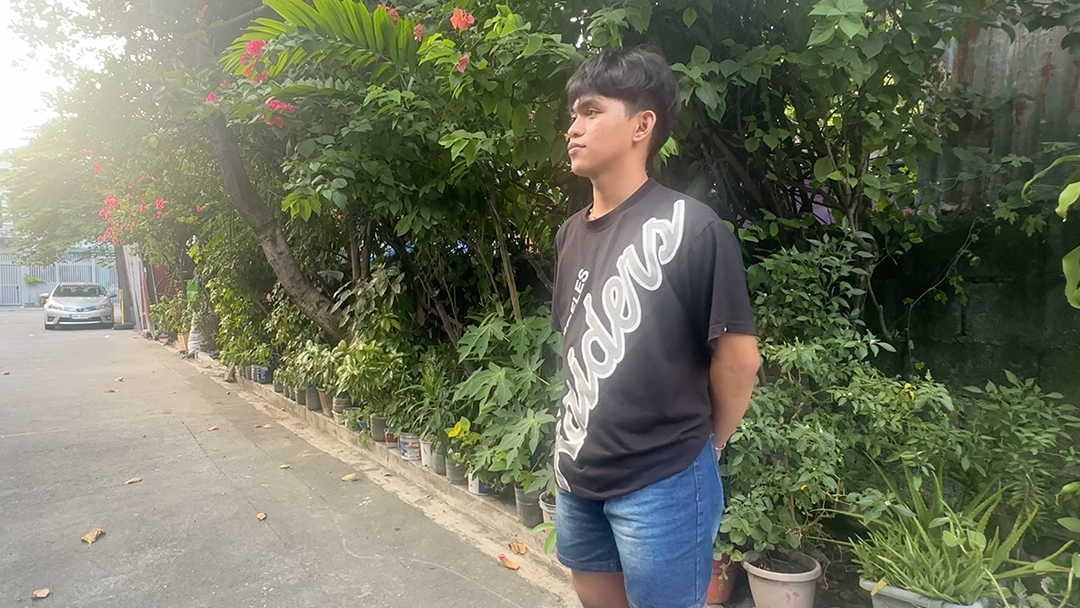
Chris has a partner now, a Cavite-based guy he met in Facebook. And he believes cisgender-presenting LGBTQIA+ people have it easier when looking for love.
“I am not saying it is hard to love a transgender person. But many people still do not accept them. Maybe there are people who are ashamed to be seen with trans people,” he said. “But for manly gays, or those like me, we are able to hide our sexual orientation and gender identity.”
Younger LGBTQIA+ people should take their time in finding themselves, according to Chris, though – of course – he is drawing this from his somewhat good experience.
“You have a lot of time to come out,” he said, adding that “it’s better if you come out. When your family finds out, they will still support you.”
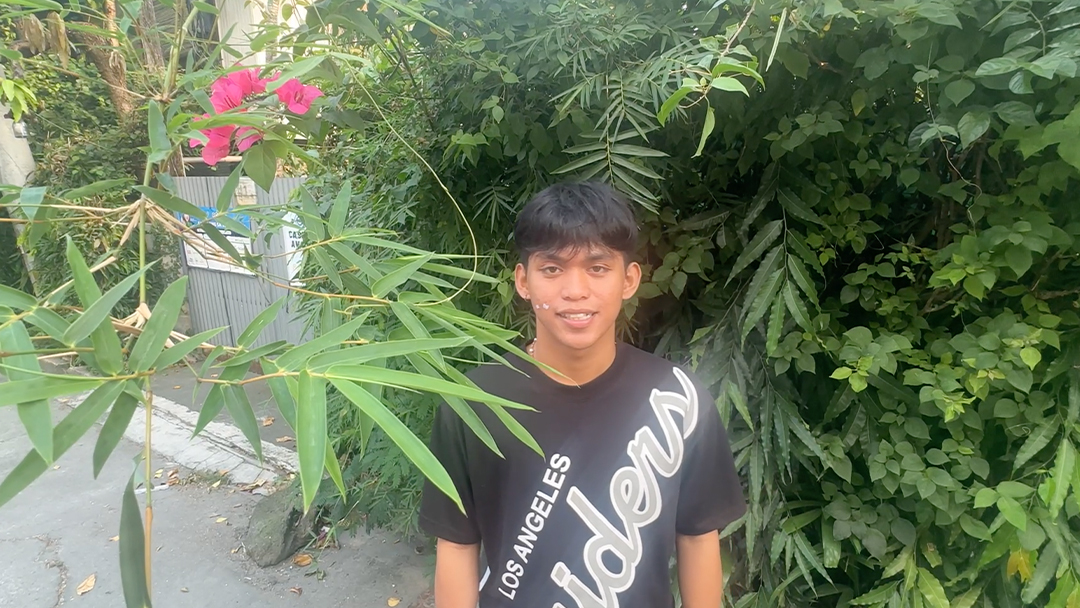
And for Chris, people who still do not accept LGBTQIA+ persons should recognize there’s really nothing they can do. Queer people are already here, and are here to stay.
“Just accept it. There’s nothing you can do about this anymore. We’re here. What will happen is, we’ll just grow in number,” Chris ended.