












This is part of #KaraniwangLGBTQIA, which Outrage Magazine officially launched on July 26, 2015 to offer vignettes of LGBTQIA+ people/living, particularly in the Philippines, to give so-called “everyday people” – in this case, the common LGBTQIA+ people – that chance to share their stories.
As Outrage Magazine editor Michael David C. Tan says: “All our stories are valid – not just the stories of the ‘big shots’. And it’s high time we start telling all our stories.”
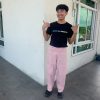
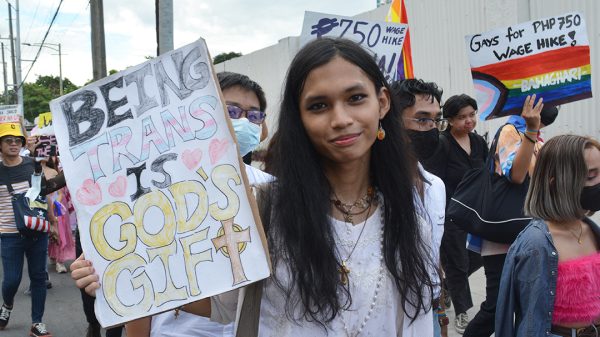
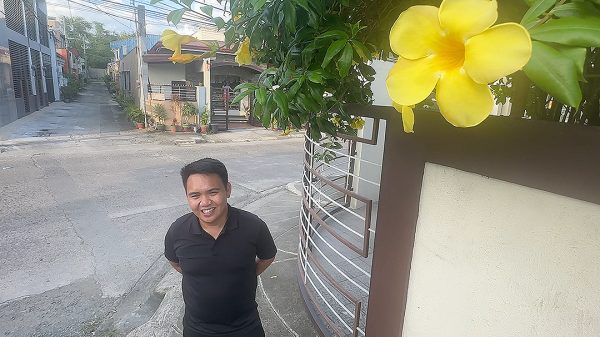
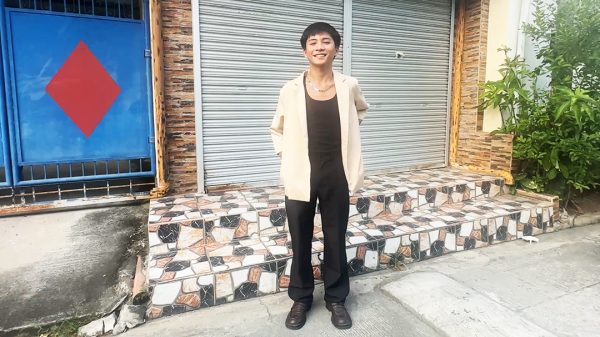
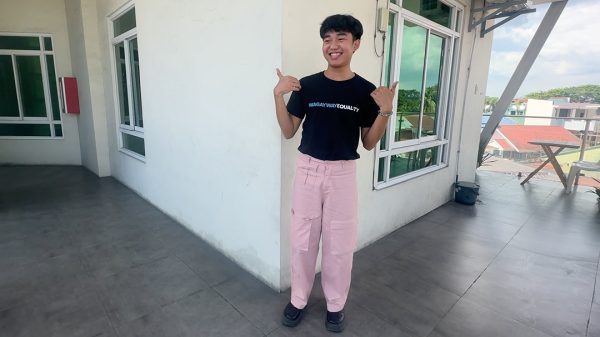
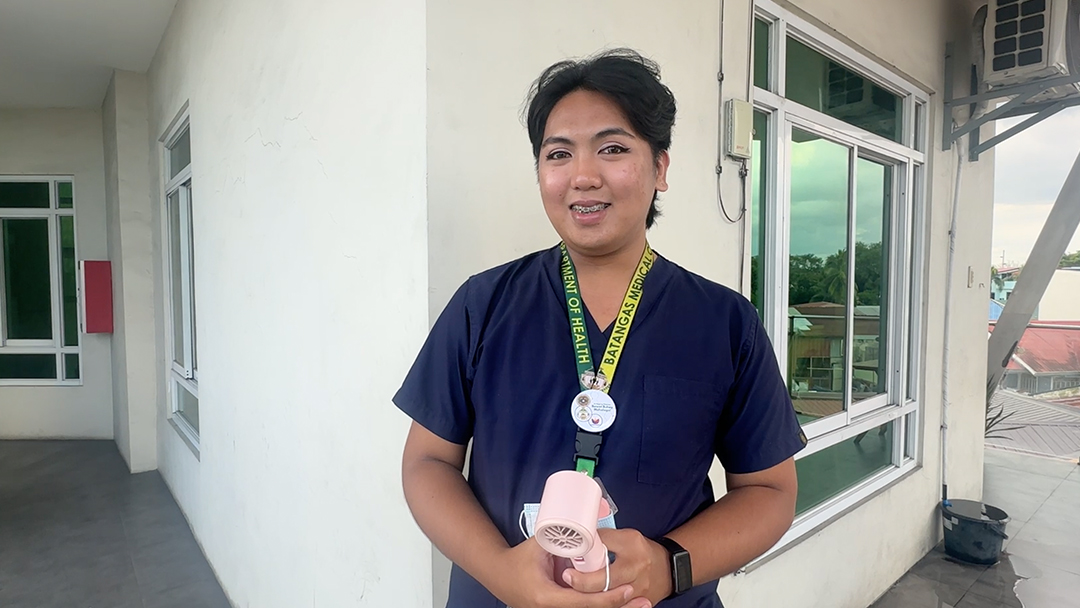
Jade Cruz, 21 from Kumintang Ilaya in Batangas City, identified as a transgender woman when she was around 12 or 13 years old.
“Growing up, I didn’t have a father figure. So it was hard for me to learn about how to be manly,” she said in Filipino and English.
Besides, Jade added, she was raised by her mom, and when she was busy, she left Jade under the care of Jade’s grandmother. So “growing up, I was surrounded by gays, a lot of gays and trans people. My grandmother has a beauty parlor. When mom wasn’t there, she left me with grandma, and when grandma was busy, she left me to the gays. So it’s like I adopted that environment.”
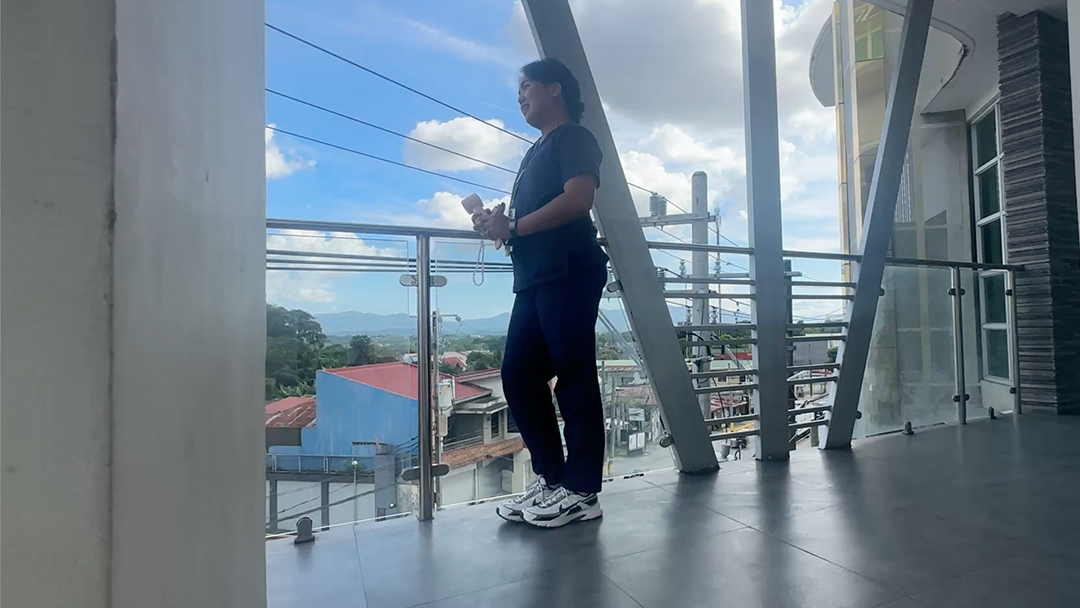
The second of four kids, Jade said coming out was challenging because her family was very religious.
“My family is a very religious family. I have two uncles who are pastors, and my mother and father serve in the church. The entire family belongs to Born Again Christianity, where it is forbidden for men to be effeminate, to be dainty. They say God didn’t make gays and lesbians, and that there’s only male and female.”
Jade studied fashion design at the Fashion Institute of the Philippines in Santa Rosa, Laguna. That was in 2021, when she started transitioning, while away from home. But in 2023, when she returned to Batangas, her family actually forced her to be masculine.
“They cut my hair, and forced me to discontinue what I wanted to do,” she said.
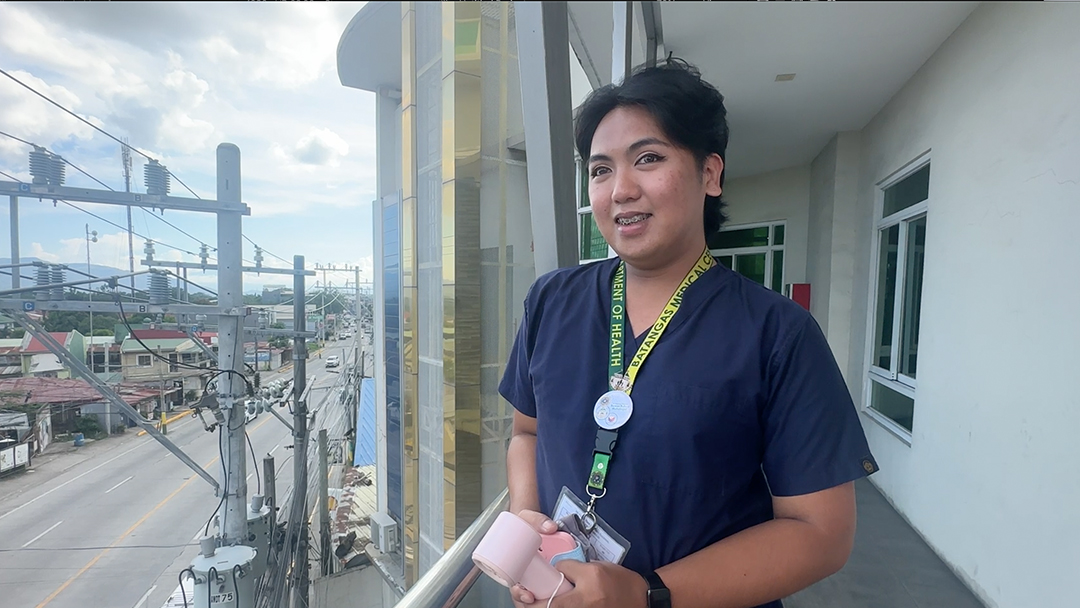
Jade remains okay with her family, even if – when she’s with them – she said she has to pretend to be a different person.
“I’m close to my family. But it’s hard that when I am with them, I have to pretend that I’m David, and not Jade,” she said. “They still don’t accept me. They still tell me to change, that this is bad, that others see me in church, just as they also see my parents, and that I am embarrassing them.”
But Jade added that she’s not blaming them. “I love my family, don’t get me wrong.”
Jade has no plans to leave her church even if it opposes the very existence of LGBTQIA+ people.
“I still have my faith in God. I want to prove that I can serve even if I’m trans,” she said.
Having completed a caregiving course at the University of Batangas (UB), Jade now works at Batangas Medical Center as a nursing attendant. But she recalled experiencing trans-related difficulties in UB – e.g. being forced to wear uniform according to assigned sex at birth.
Jade thinks it is difficult for transgender people to find love in Batangas.
“You can’t tell if they’re serious or just playing around,” she said.
In a past relationship, Jade discovered that her hetero-identifying partner was flirting with a woman. “I let him go because I can’t compete with a woman,” she said. “That’s already a woman, and I’m just trans.”
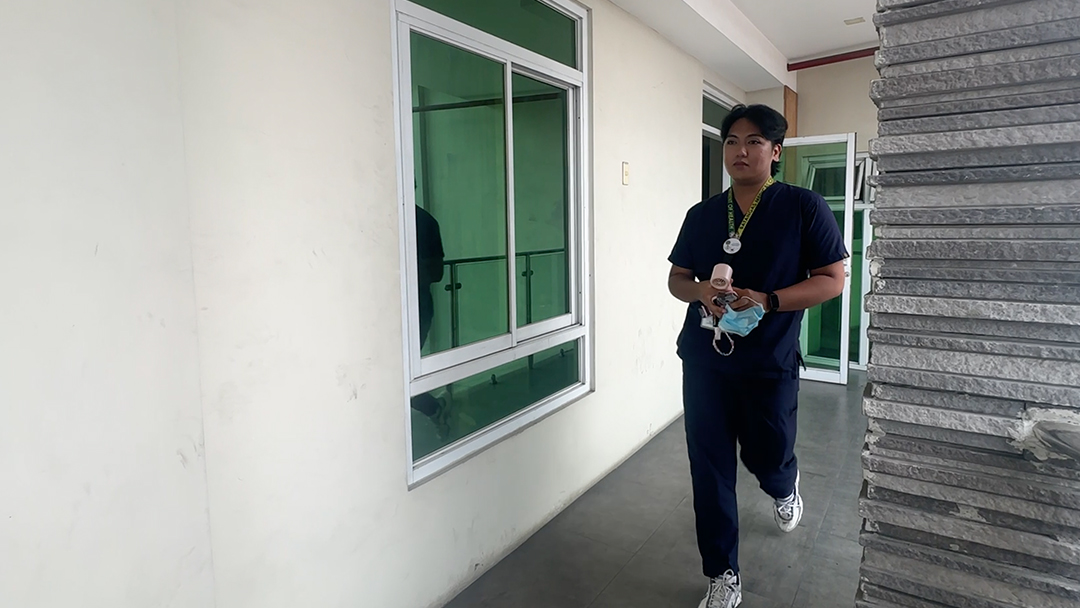
For Jade, parents who still do not fully accept their LGBTQIA+ children should recognize that these kids need support.
“I hope you understand the situation of your kids,” she said. “It’s hard for us when our families are ashamed of us. You’re just happy when we do good, but when we don’t, you are ashamed of us. You should support your kids, your nieces/nephews. They could be the source of your entire family’s success.”
Jade wants younger transgender people to know they’re not alone.
“No matter how hard the world it, don’t think you can’t take it anymore. You can. There are people who still believe in you. If you think you don’t have a family, you’re wrong. We are your family. The LGBTQIA+ community supports you, and is proud of you,” Jade ended.