

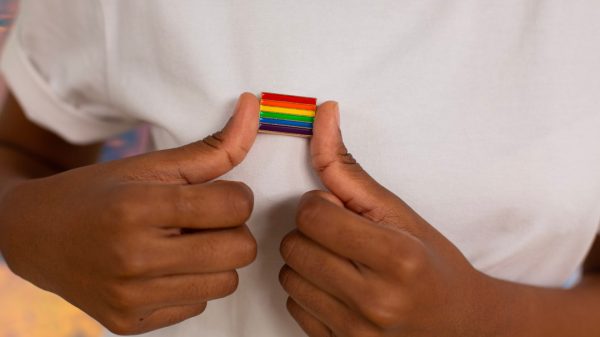
























This is part of #KaraniwangLGBTQIA, which Outrage Magazine officially launched on July 26, 2015 to offer vignettes of LGBTQIA+ people/living, particularly in the Philippines, to give so-called “everyday people” – in this case, the common LGBTQIA+ people – that chance to share their stories.
As Outrage Magazine editor Michael David C. Tan says: “All our stories are valid – not just the stories of the ‘big shots’. And it’s high time we start telling all our stories.”
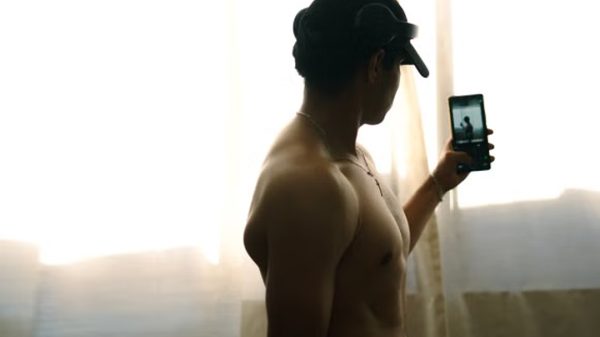
Iko Bonbon, 21 years old from Batangas City, may identify himself as gender-fluid, but he said he is not a big fan of labels.
“I know I’m not straight,” he said in Filipino, “and I’m open to all types of relationships and diverse orientations.”
Without proper SOGIESC lessons, Iko actually had to learn about his identity through Google.
“When I was in college, I was doing research on gender issues. Then I saw information on diverse sexual orientations and identities, that was when I knew, ‘Oh, there’s such a thing’. So through my Google research, I found out about my identity,” he said.
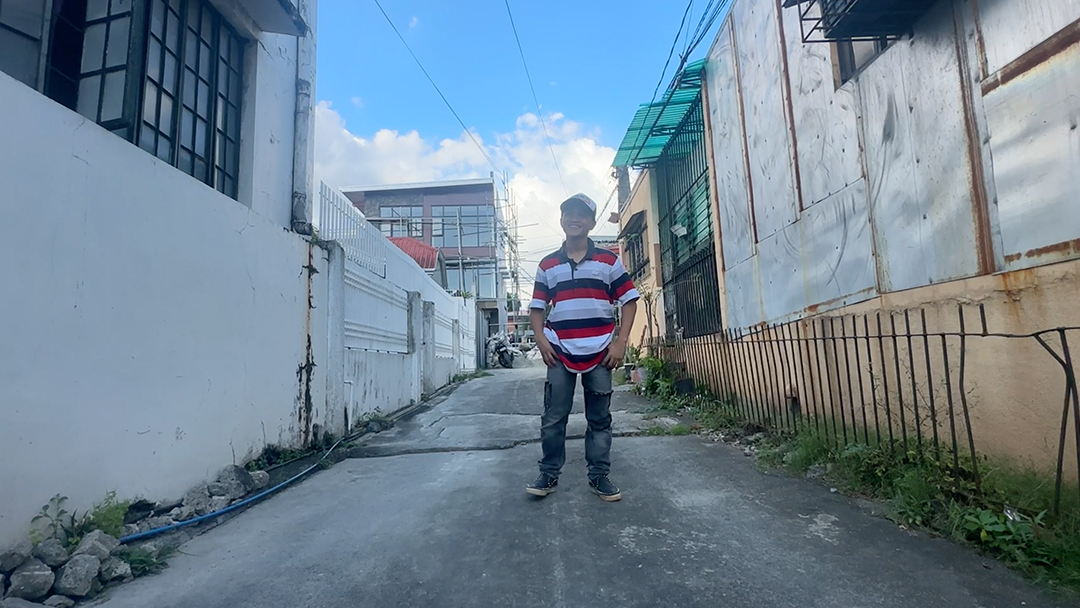
As the eldest of three kids, Iko said he didn’t have to come out. His parents are, nonetheless, tolerant of him, even if they may be confused.
“They’re trying to understand. But they’re still stuck in the belief that there are only male and female, gay and lesbian. They have yet to encounter another gender-fluid individual, so they see this as something new, and they can’t grasp this yet,” he said.
There are many misconceptions about being gender-fluid, and handling these can be challenging, according to Iko.
“When people find out I am not straight, they expect I’d automatically have a relationship with them, that I’d be willing to interact with them sexually or romantically. They expect that I’d sleep with them,” he said.
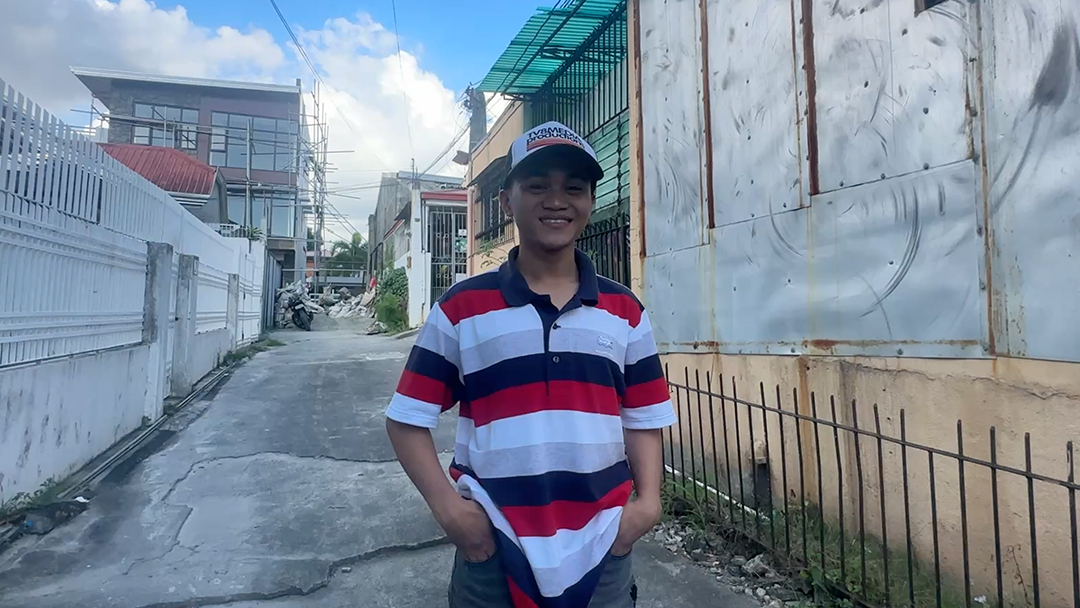
But the LGBTQIA+ community itself can be source of the issues. For instance, finding a jowa is difficult for gender-fluid people, according to Iko, because of stigma and discrimination from within the LGBTQIA+ community.
There is this need to fit stereotypes, Iko said. “For instance, there’s masculine to masculine; meaning, your partner shouldn’t be obviously gay. Or you should qualify in that stereotype that if you’re feminine, then you should be a bottom, and if you’re muscular, then you should be a top. We have peers from within the LGBTQIA+ community with closed minds.”

Iko, who studied BS Development Communication in Batangas State University, The National Engineering University, believes there are many issues that gender-fluid people need to face. To start, they need their own space.
“When you say non-binary, it’s a spectrum. It still needs a lot of understanding,” he said.
The LGBTQIA+ community itself can help create this space for the gender-fluid.
“We, as part of the LGBTQIA+ community, should learn to accept and validate the gender-fluid,” he said.
Iko hopes people learn to understand people of diverse SOGIESC.
“Just try to understand. Understanding is free,” he said. “Even if you just open your mind for a day, this could have an impact in the way you perceive gender-fluid people.”
And if there is a lesson that gender-fluid people should learn, it is to be brave, according to Iko.
“Be brave and express yourself in any form. You will empower not just yourself but also others,” he said. And “embrace the LGBTQIA+ community members. No one else will help us but ourselves.”