










This is part of #KaraniwangLGBTQIA, which Outrage Magazine officially launched on July 26, 2015 to offer vignettes of LGBTQIA+ people/living, particularly in the Philippines, to give so-called “everyday people” – in this case, the common LGBTQIA+ people – that chance to share their stories.
As Outrage Magazine editor Michael David C. Tan says: “All our stories are valid – not just the stories of the ‘big shots’. And it’s high time we start telling all our stories.”
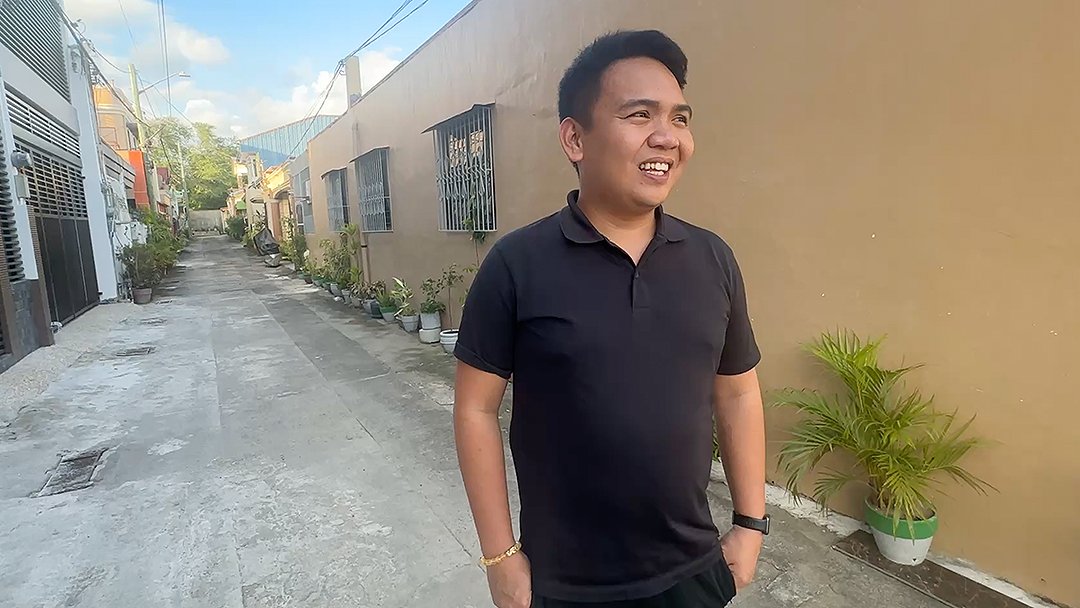
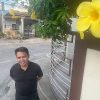
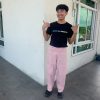
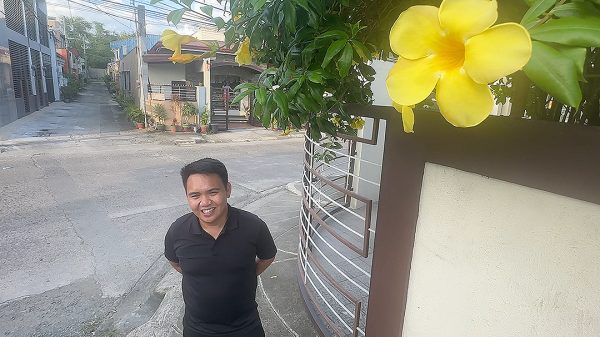
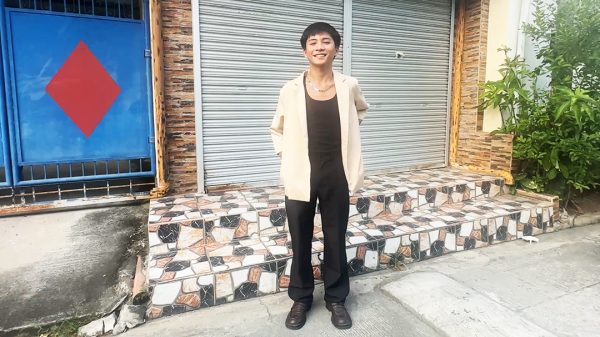
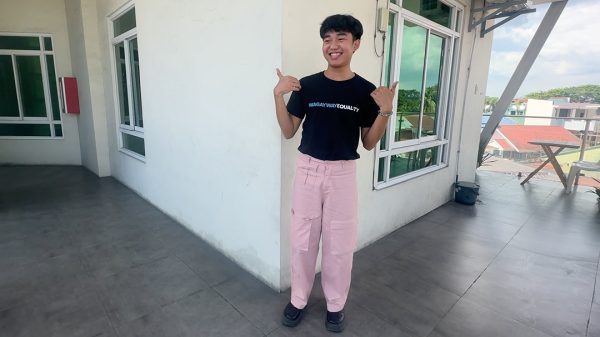
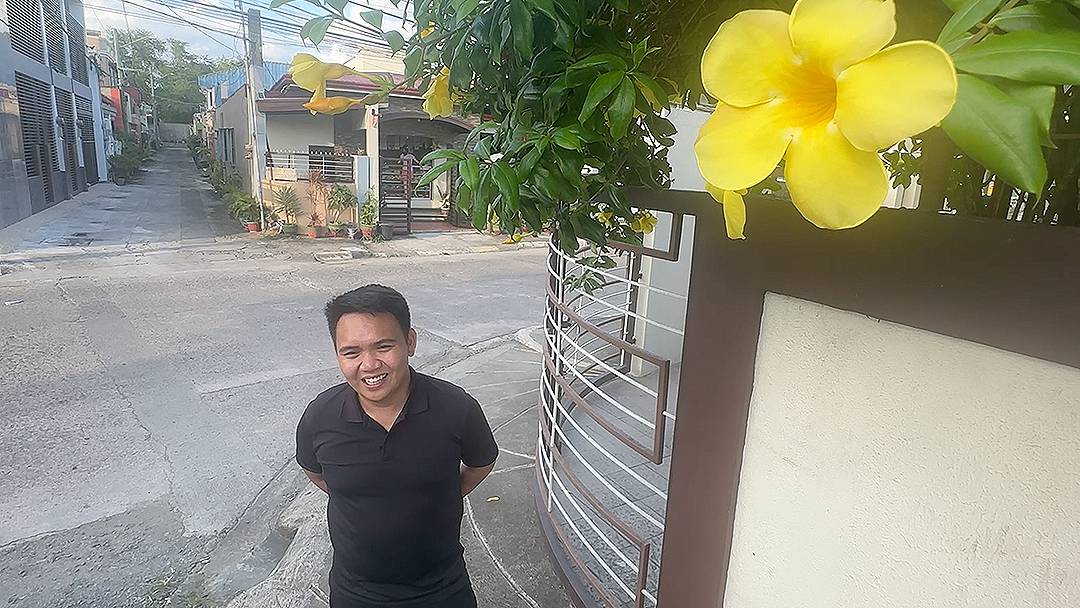
Ivan Alvarez, 34 years old from Batangas City, knew he was different at a young age. And having LGBTQIA+ relatives helped him define his identity.
“I was just in Grade 3 when I had what I said were not usual feelings,” Ivan recalled in Filipino and English. “But since I have an uncle and other relatives who are LGBTQIA+, I didn’t have a hard time ascertaining my identity at that time.”
Being the eldest of two kids, Ivan’s parents were initially not open to him being gay.
“Initially they couldn’t fully accept it,” he said, adding that this stemmed from their fear of how society will treat their child. But since having LGBTQIA+ as family members was “normalized”, they eventually accepted Ivan.
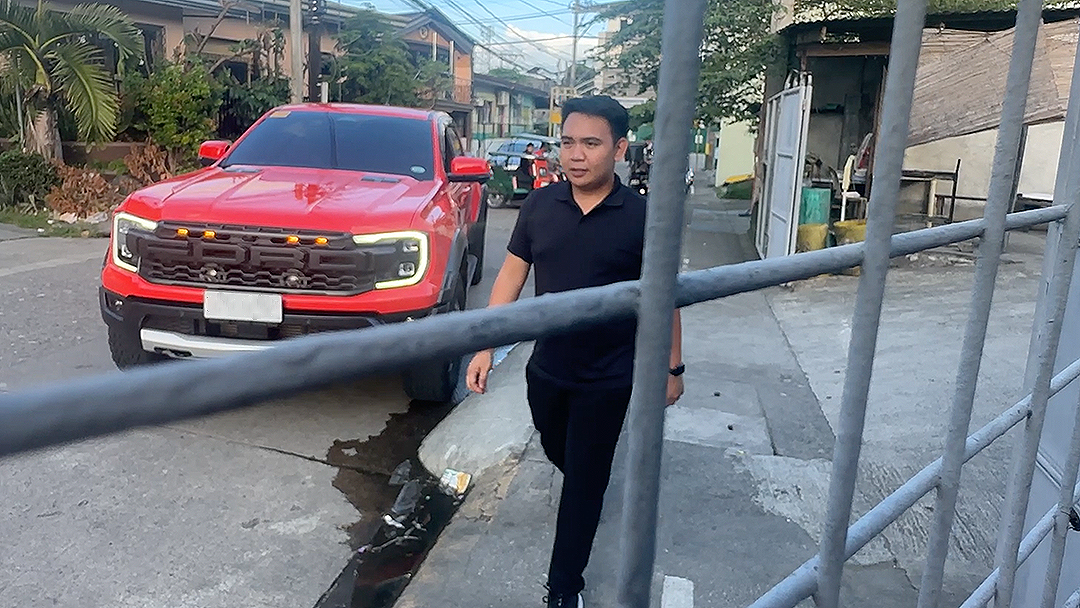
Society was also cruel, said Ivan. He was ridiculed for being LGBTQIA+, forced to constantly prove himself just to be tolerated.
“They told me at that time to study hard… which is an escape of LGBTQIA+ persons, to prove ourselves, which shouldn’t be the case all the time. But that was how it was for me before. I worked hard in school. At the same time, I had to be a good son,” he said.
For Ivan, there are many challenges faced by LGBTQIA+ people that are not given attention – e.g. senior LGBTQIA+ people, whose needs are not met by existing LGBTQIA+ services. “We need to focus on factors that affect the quality of life of LGBTQIA+ persons,” he said. And here, there is a need to tackle the socioeconomic needs of members of the LGBTQIA+ community.
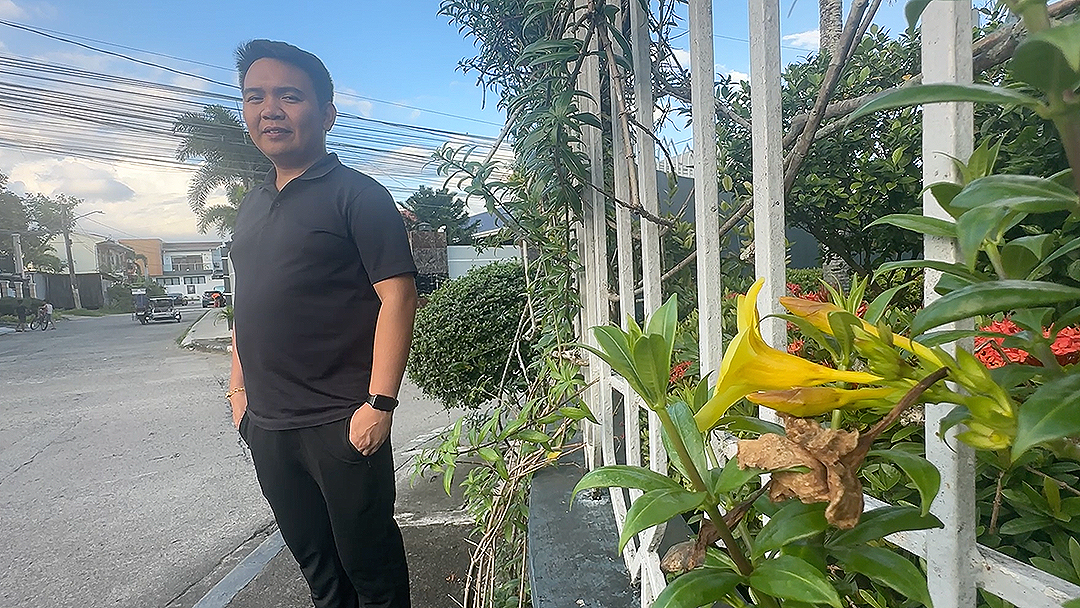
In Batangas in particular, where there is an anti-discrimination policy in place, Ivan believes that strengthening pro-LGBTQIA+ policies can help deal with the queer community’s issues. This is until a national law is passed to protect the human rights of LGBTQIA+ Filipinos.
Ivan recognizes that divisions within the LGBTQIA+ community is also a problem.
“We need to unify. We should form a support system. But not just to join organizations, or to look for a circle of friends. We should focus not only on thematic events, like surfacing during fiestas or during Pride. We should also look at social accountability,” he said.
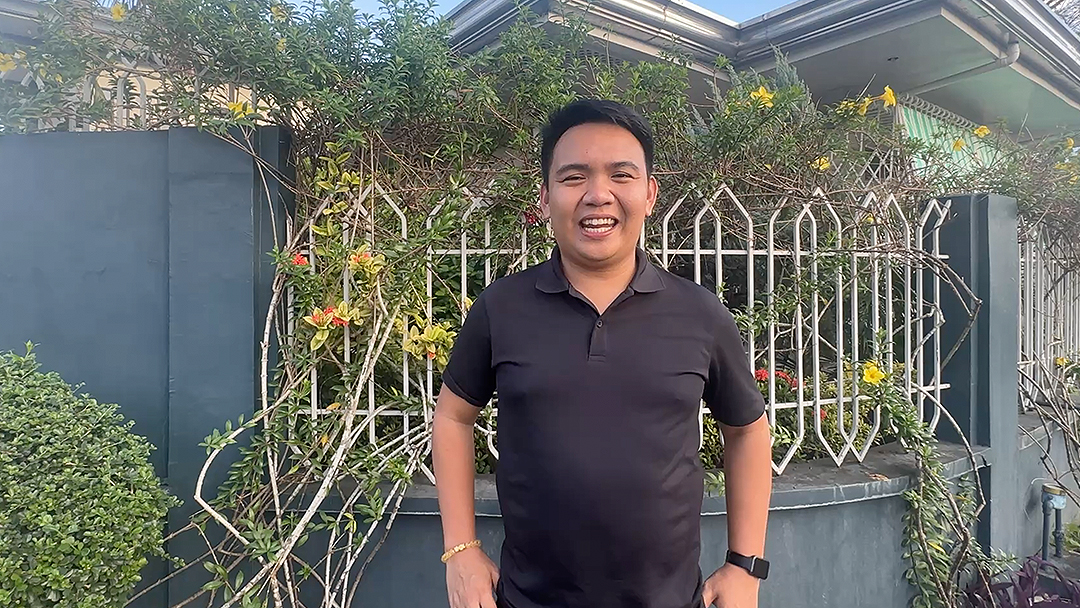
Ivan, who has a partner now, believes that finding love is dependent on the contexts of LGBTQIA+ people – e.g. cosmopolitan places like the cities in Metro Manila may provide more #loveislove options, and yet apps (like Grindr and Romeo) help make searching for love in the provinces also workable.
And in the end, Ivan wants people to understand that LGBTQIA+ people are just like everyone else: normal.
“Being LGBTQIA+ is not an illness,” he said, adding that everyone has SOGIESC, so being LGBTQIA+ is normal. “We are only asking to be given equality, to be treated as equals.”