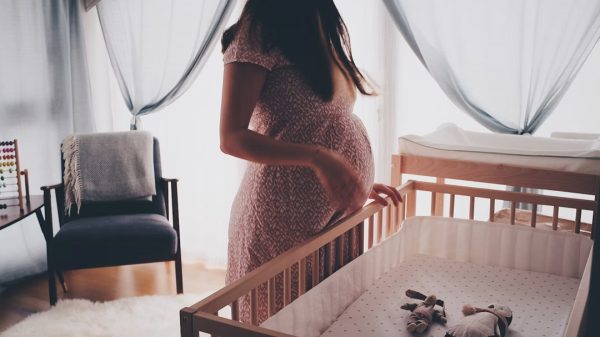








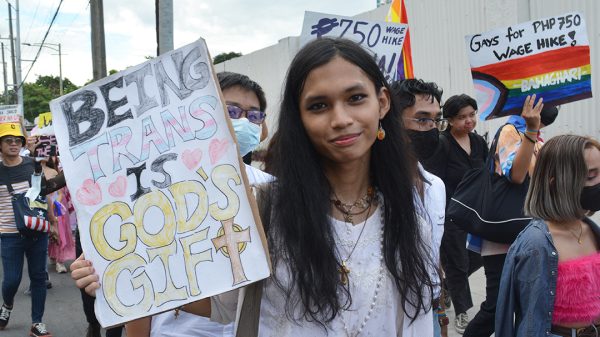























The news media is shaping reproductive narratives and stigma around childlessness, presenting it as a threat to national interests, a deviation from moral or cultural norms, as a risk and, sometimes, as a legitimate life path.
This is according to a study — “Framing reproductive narratives: A thematic discourse analysis of news representations of childlessness in 86 countries (2015–2025)” by Sitta Fiakhsani Taqwim, Wenqian Xu, Yi Hyun Kang, Huzeifa Aweesha, Rashmi Rashmi, Paul Joseph Amani, Venosa Mushi, Rockli Kim, and Julia Schröders — that was published in the open-access journal PLOS Global Public Health.
Around the world people are having fewer children, with more remaining childless — by choice or because of reproductive challenges. Childlessness has been stigmatized and framed as problematic and the team wanted to explore the media’s role in narratives around what is considered ‘normal’ or ‘healthy’.
The researchers analyzed 131 news articles in 13 languages across 86 countries between 2015–2025. Of the 101 outlets, those most frequently represented were the BBC — English and Arabic — 9 articles, and Al Jazeera, 6.
The researchers identified five themes from the articles analyzed:
- ‘The guinea pig of the state’: This theme describes how population policies may intersect with reproductive health and rights, i.e. when political leaders urge women to reproduce as a patriotic duty and link motherhood to traditional gender roles.
- ‘Crazy, rich, selfish animal lovers’: This theme depicts voluntary childlessness as selfish, immoral, or unnatural, especially for women.
- ‘No baby no cry’: This theme speaks to individuals redefining fulfillment and happiness outside of parenthood and resist dominant narratives.
- ‘Bringing children into a broken world’: This theme expresses personal agency in reproductive decisions, especially how anxieties such as climate change, war, economic instability, and gender inequality influence choices.
- ‘Winter regret and loneliness’: This theme encompasses social and emotional vulnerabilities of later life, including feelings of regret, loneliness, and uncertainty.
According to co-author Schröders: “Our research shows that the media does not simply reflect reproductive realities, but actively constructs narratives that shape opinion and can perpetuate structural imbalances and social exclusion. Shining a light on this issue can help support more equitable health communication and contribute to broader goals of reproductive justice and social inclusion.”
Schröders added: “People arrive at childlessness through many different life paths, but the overall outcome is the same: a growing demographic of adults without children, and therefore a growing population aging without them. Our media analysis showed that this is one of the most ideologically charged demographic shifts of our time. That insight prompted us to shift the focus to society itself. In our upcoming research, we ask whether our social protection systems are prepared for this transformation and how they can adapt to this new reality in fair and sustainable ways.”
Meanwhile, co-uthor Taqwim noted that they found the rise of childlessness in the Global South and across parts of Asia. And this may show that “traditional expectations around family are becoming blurred by factors such as economic instability, climate change, and persistent gender inequality. Childlessness is no longer an issue associated only with high‑income countries — resource scarcity and planetary uncertainty are reshaping family decisions worldwide.”