






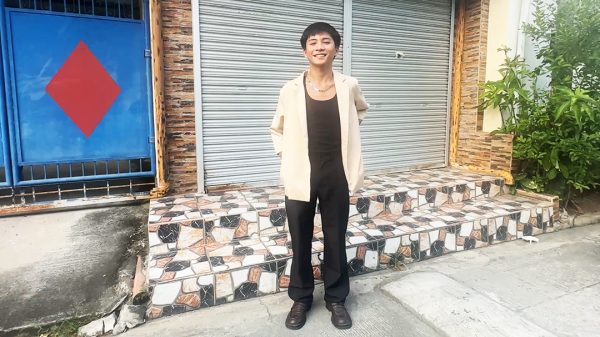
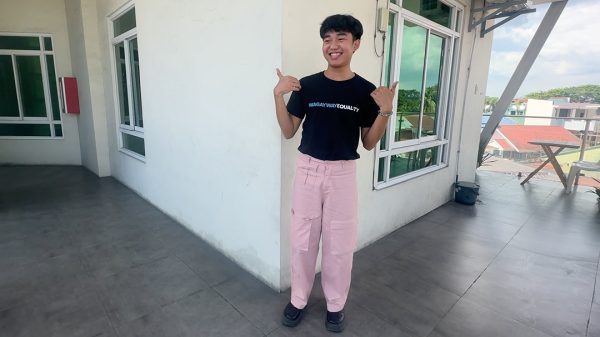









This is part of #KaraniwangLGBTQIA, which Outrage Magazine officially launched on July 26, 2015 to offer vignettes of LGBTQIA+ people/living, particularly in the Philippines, to give so-called “everyday people” – in this case, the common LGBTQIA+ people – that chance to share their stories.
As Outrage Magazine editor Michael David C. Tan says: “All our stories are valid – not just the stories of the ‘big shots’. And it’s high time we start telling all our stories.”
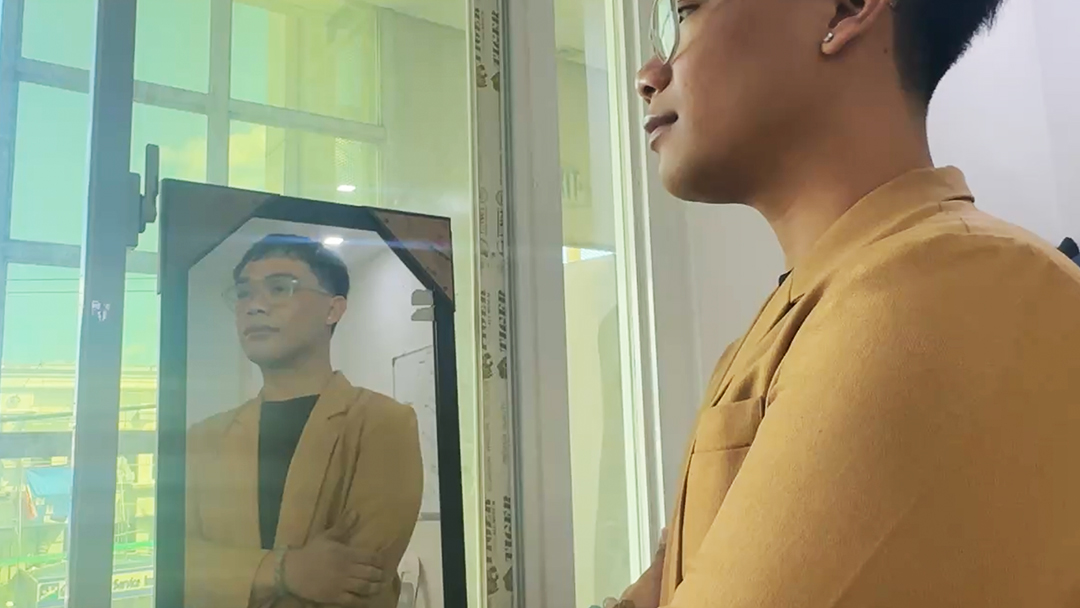
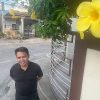
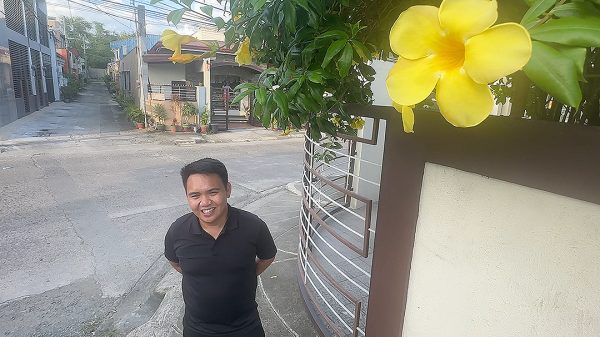
Iain Angelo Velasco, who is in his 20s, and is from Lemery in Batangas, used to identify as homosexual, mainly because the Western terms referring to SOGIESC were alien to him. But after getting exposed to SOGIESC lessons, he said he felt more at ease with identifying as a non-binary person.
“What I knew was I am a homosexual,” he said in Filipino, adding that NGO Wagaygway Equality Inc. provided SOGIESC lectures that opened his eyes so that “the term non-binary resonated with me.”
Growing up non-binary
Iain is, in a way, lucky since he can’t recall having been discriminated for being LGBTQIA+. His parents, as an example, welcomed him.
“I have a sister; there are just the two of us. And I have five cousins, all female. And I’m closer to my mother than my father. And growing up, I used to play with Barbie dolls… so since then, my parents knew I’m effeminate. They even pushed me to admit to being LGBTQIA+ since I am accepted by them anyway,” Iain said.

All about prejudice
A difficulty for Iain is the judgment from within the LGBTQIA+ community itself. And there are times when this is shown in somewhat unconscious ways – e.g. he is attracted to feminine LGBTQIA+ persons, and this is treated by other LGBTQIA+ people with disdain.
“They refer to me as ‘tomboy’, and that I’m eating poison,” he said.
For Iaian, social development can better LGBTQIA+ people’s lives. Like when finding love, more developed places are more accepting.
“It isn’t hard to find love especially if you do so in Batangas City,” he said. This is because people are said to be more open already, compared to other municipalities, such as Lemery, where he originated.

Tackling HIV
HIV continues to be an issue for the LGBTQIA+ community, according to Iain. Sadly, some of the concerns are caused by internalized prejudice.
“Stigma and discrimination continue to be prevalent in the HIV community,” he said. PLHIVs “experience discrimination from the community, though not just society in general but also within the HIV community itself.”
With HIV, Iain knows there are efforts, but challenges remain… such as in proper implementation of these efforts, as well as inclusion of those in far-flung areas. For those in far-flung areas, for instance, there is still a need to go to Batangas City just to get tested for HIV.
Pushing for understanding
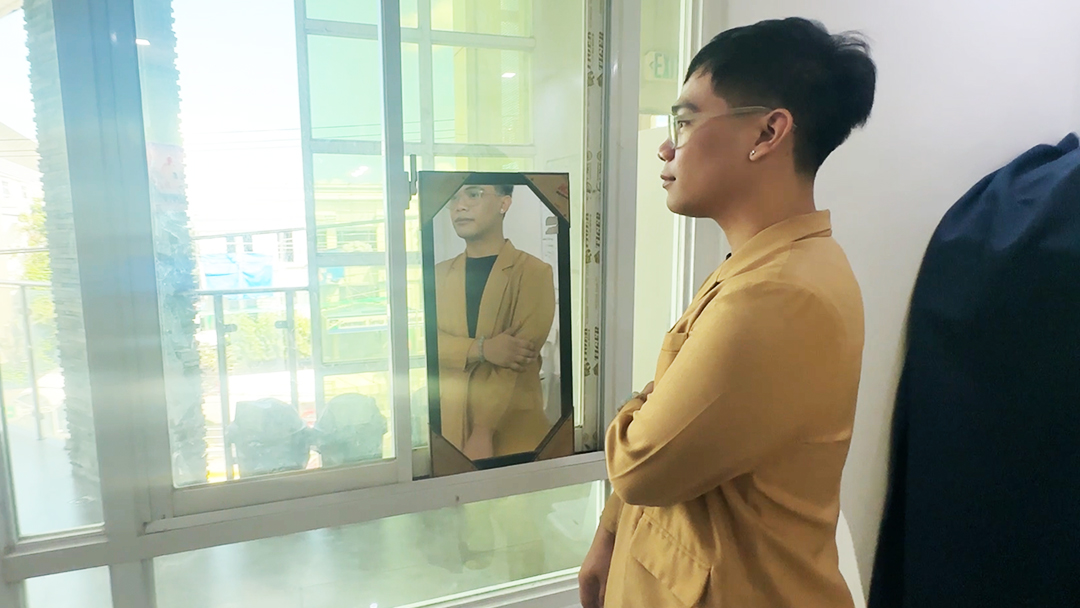
Iain – who did BS Psychology – believes that if people tried to understand one another, they can live harmoniously. And so, yes, if there is a lesson he wants people to learn about LGBTQIA+ persons, it is to accept them.
“We’re also human. Try to know us. Most people have perceptions about LGBTQIA+ people – that we’re coquettish, we have HIV. I want to tell them not to judge us immediately. We’re also human. And all we need is love and acceptance,” he said.
This is the same lesson he wants parents to learn about their LGBTQIA+ children.
“Accept them. As Maxie Anderson said, the environment is already judgmental, so they should have supporters at home,” Iain said.
And in the end, LGBTQIA+ people should recognize that their very existence will not be easy. But Iain said this should not be a cause to stop living fiercely.
“The life we chose isn’t going to be easy. We will face a lot of difficulties, discrimination. We need to be brave, to be strong to face stigma and discrimination in the community,” Iain ended.