




















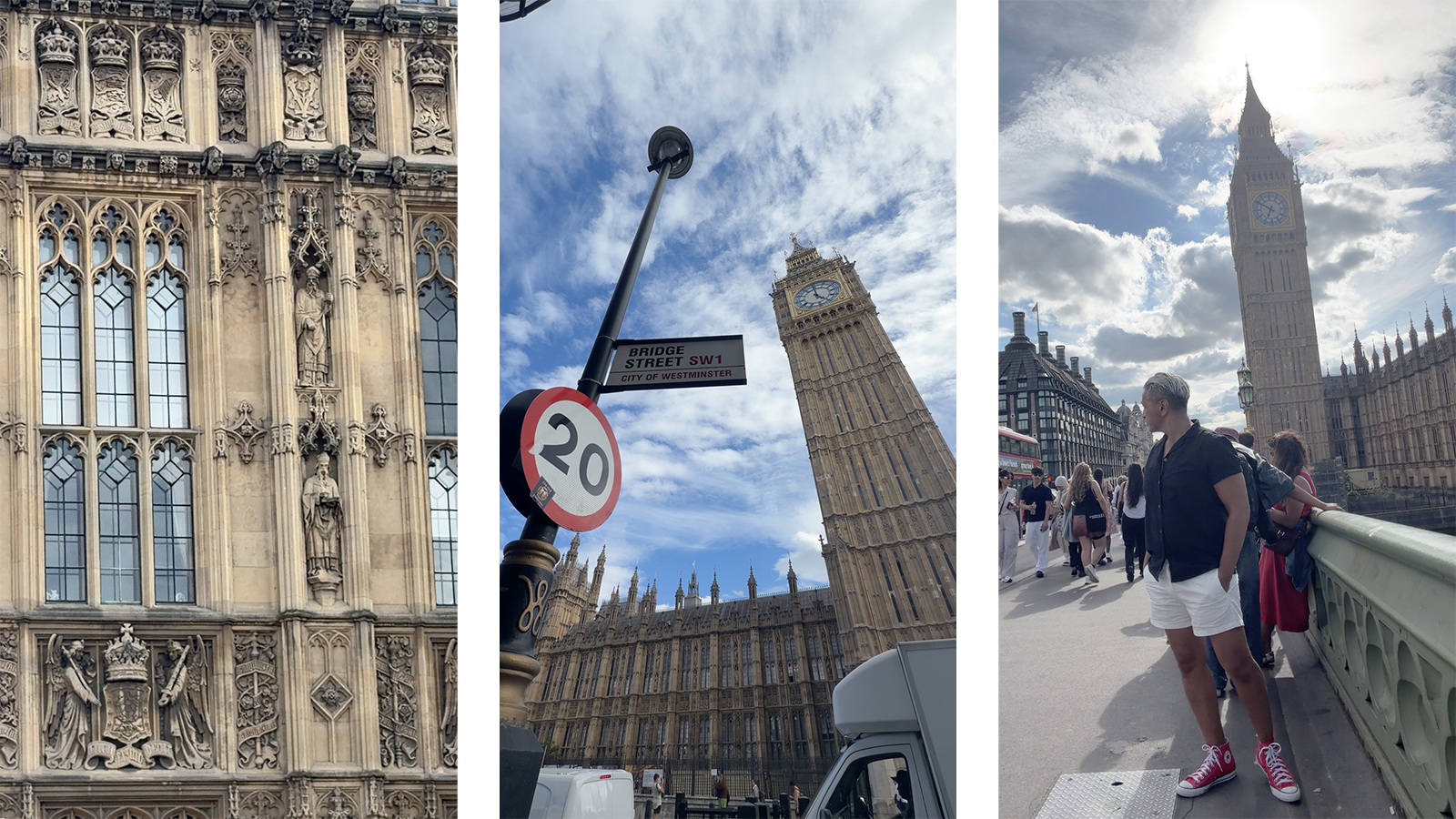
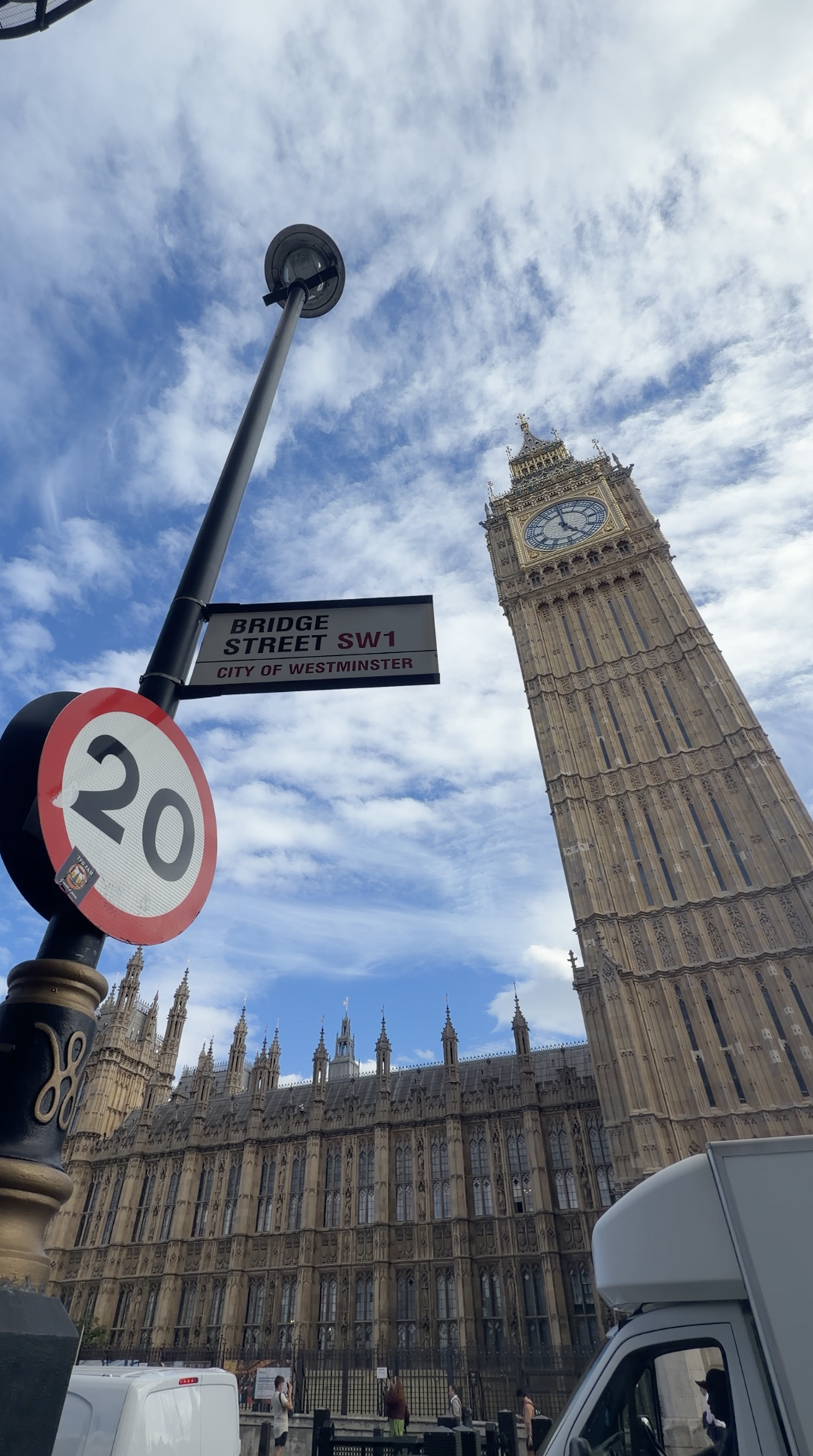
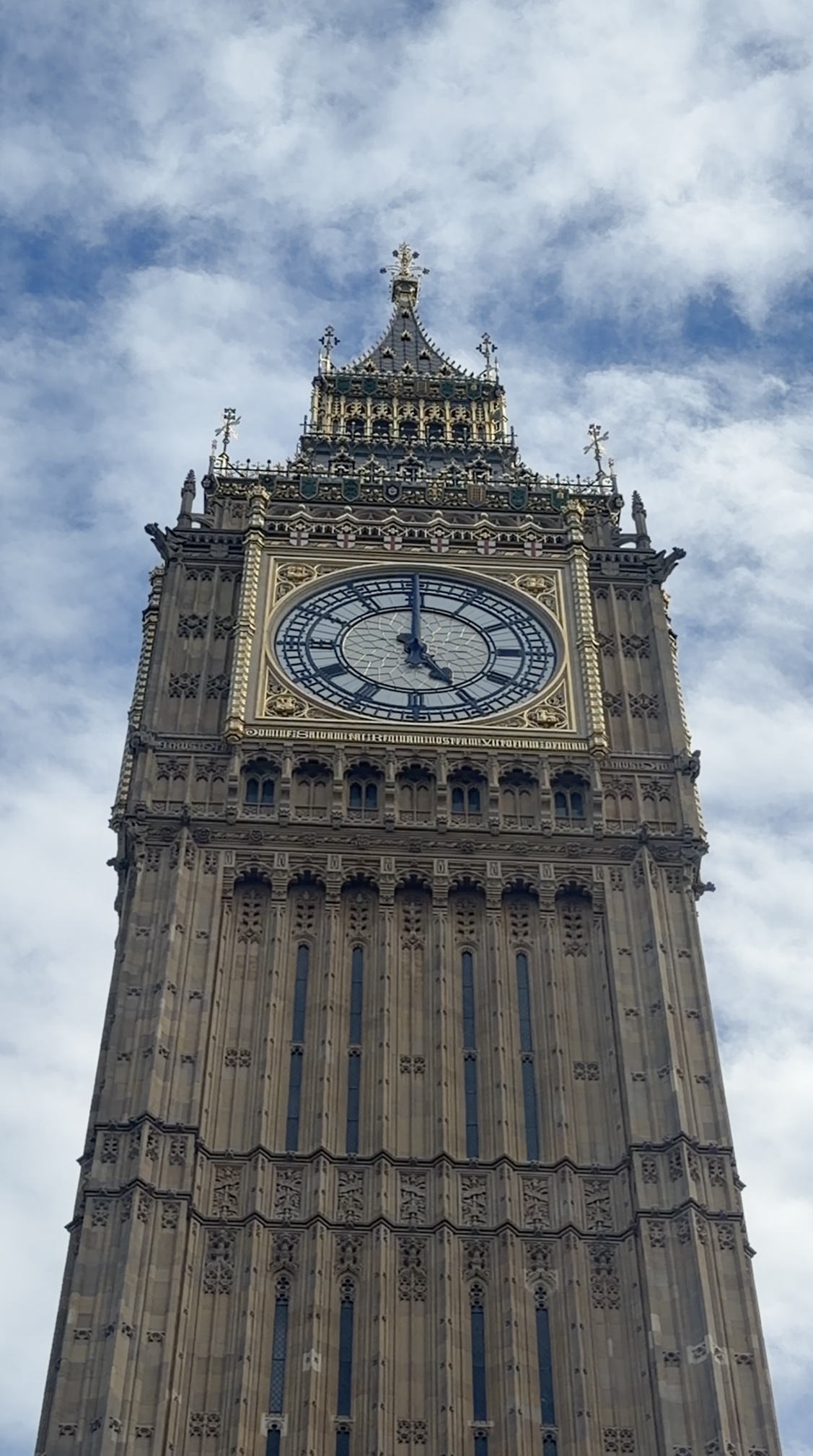
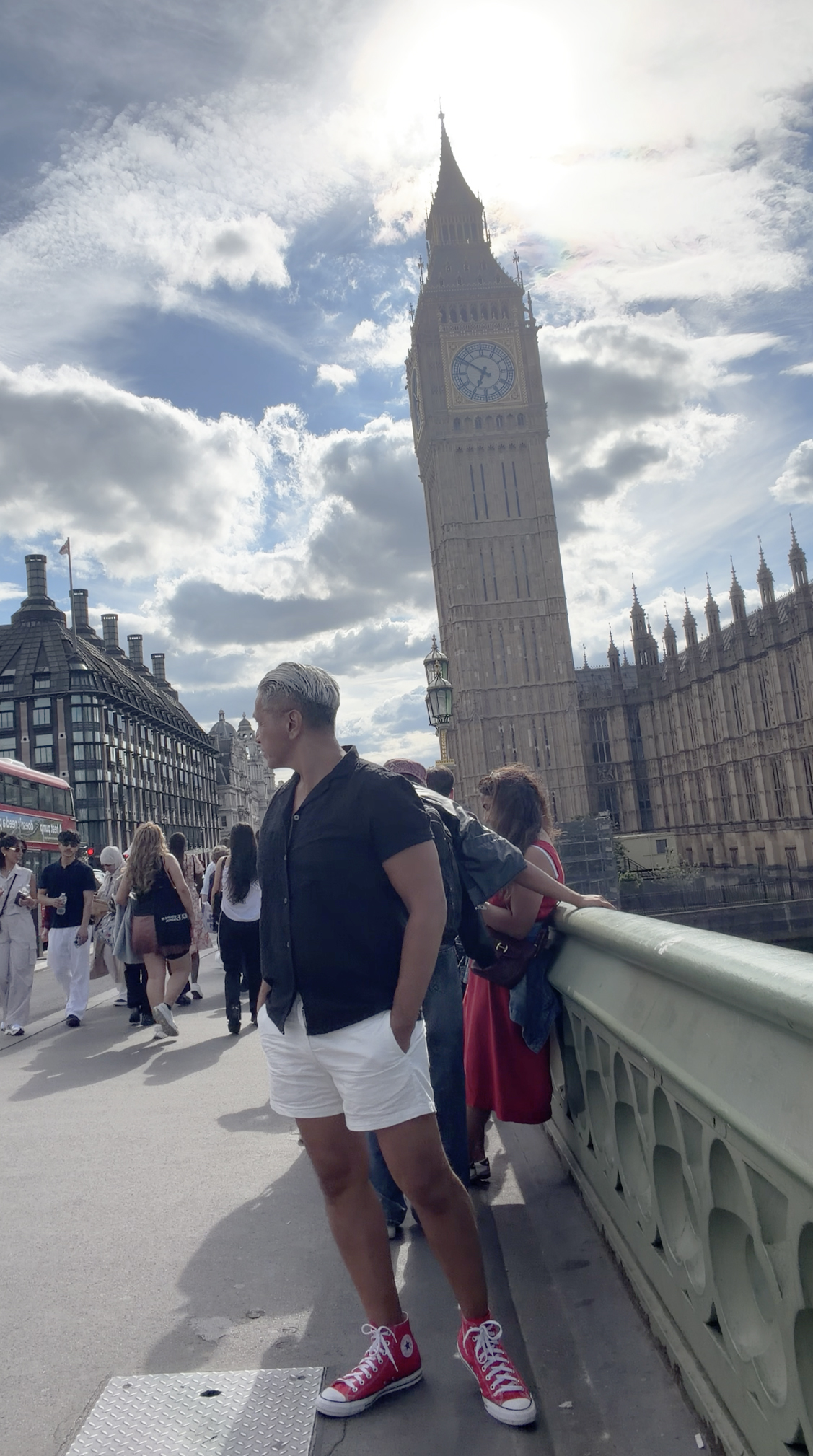
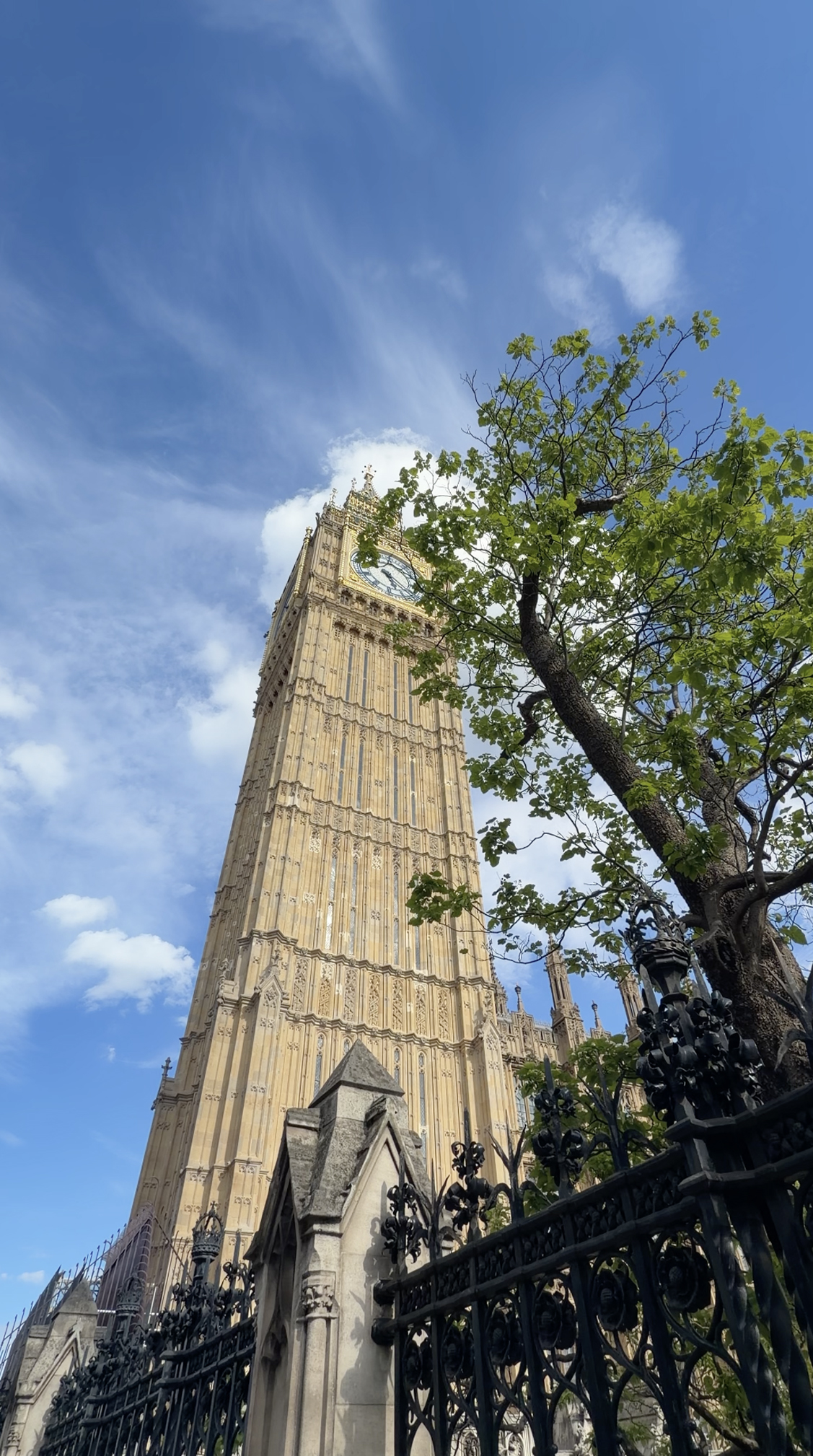
One of the most famous landmarks in London is Big Ben, which is often assumed as that bell tower beside the River Thames.
Andaming pag-uusapan related to this…
@outragemag In #London, #BigBen is not just a tourist attraction, but symbol of patriarchal power that continues to disadvantage minorities like #LGBT, #women and #immigrants ♬ original sound – Outrage Magazine
Una, Big Ben is actually the bell inside the Elizabeth Tower at the Palace of Westminster. But sige… kebs na sa error, tawagin na lang na Big Ben yung entirety (LOL).
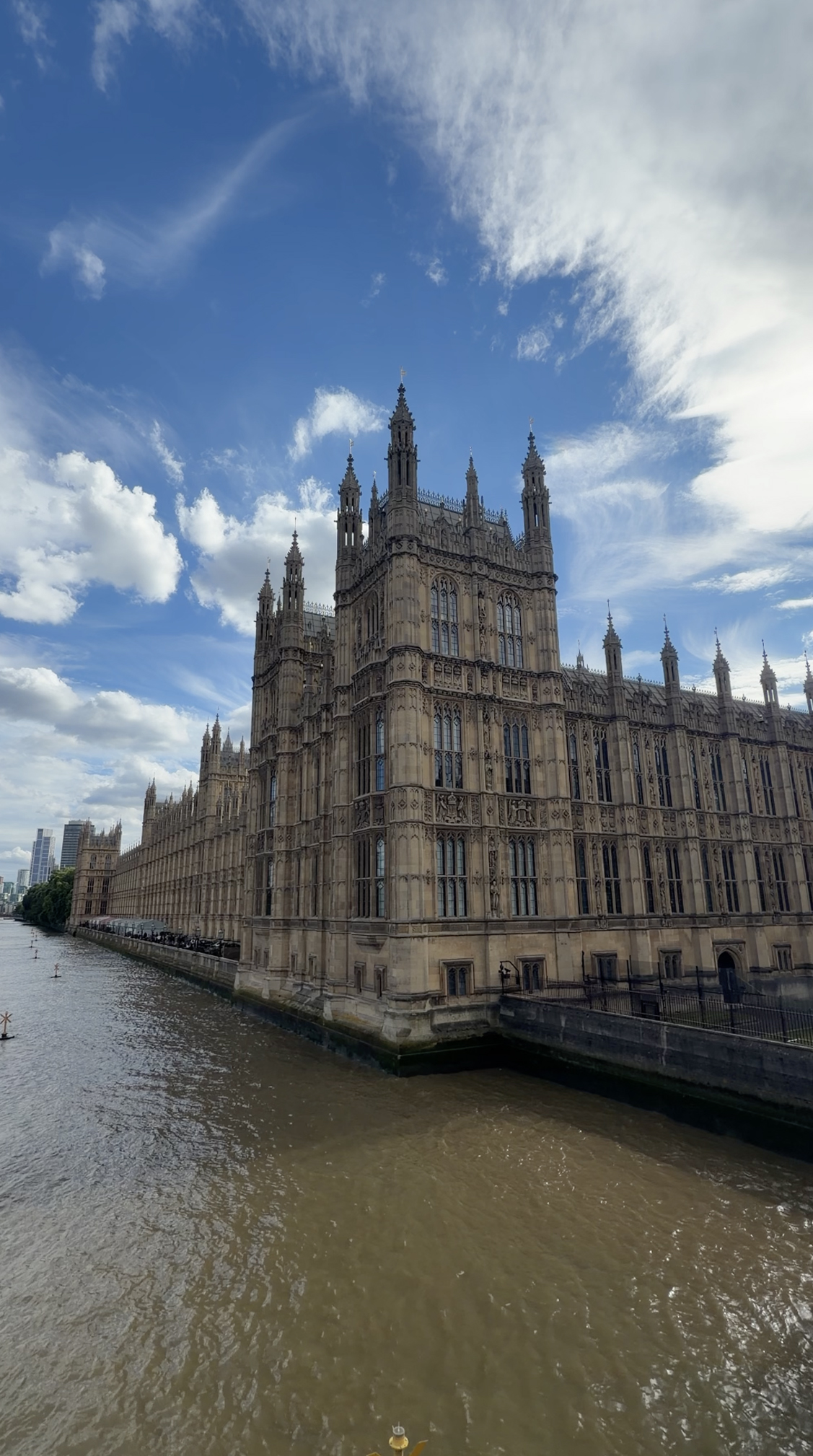
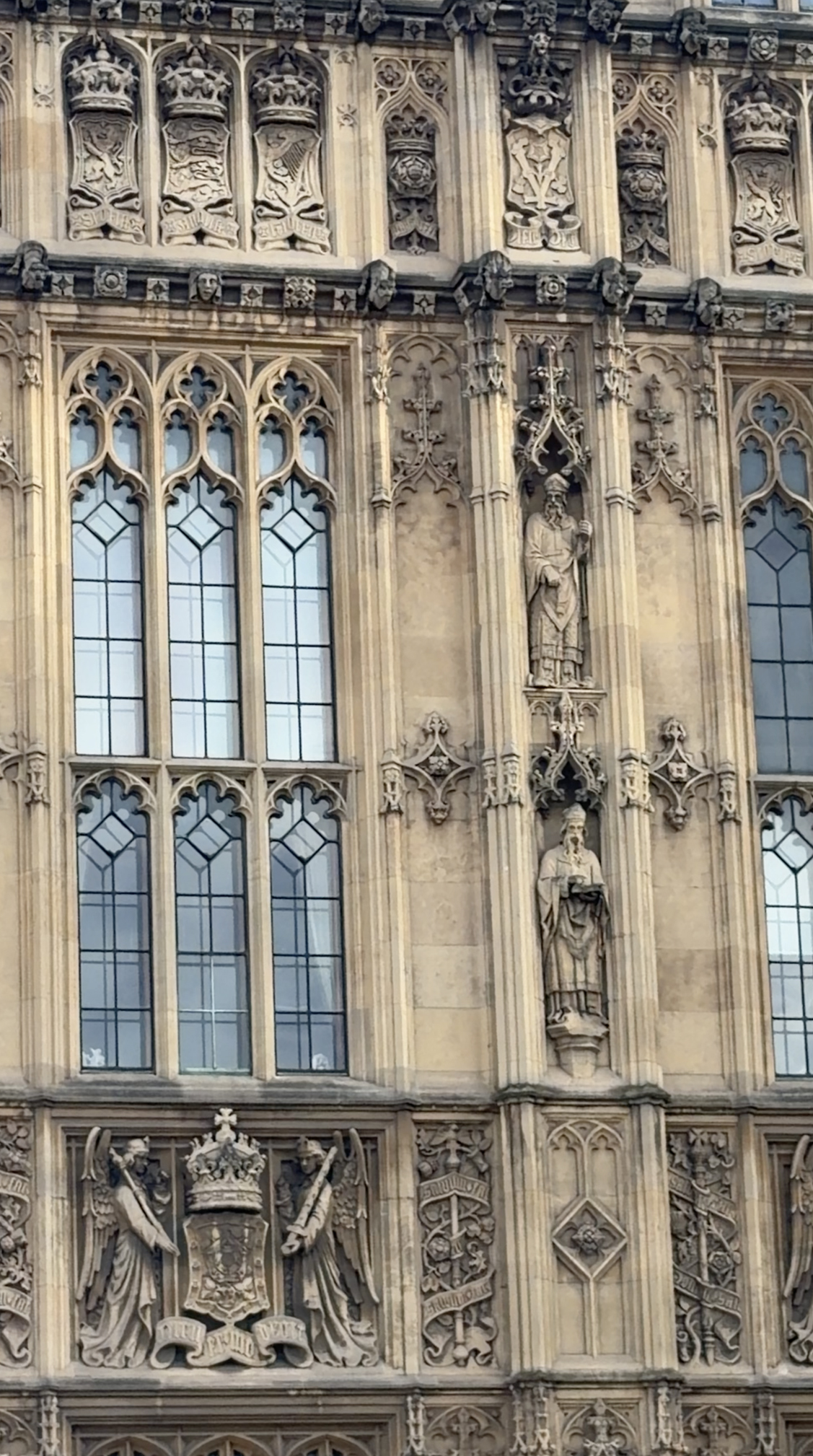
Ikalawa, yung entire Palace of Westminster, was designed by Sir Charles Barry, while the clock tower itself (now Elizabeth Tower that contains the Big Ben bell) is associated with Augustus Welby Northmore Pugin.
The old Parliament burned down in 1834, so the one that’s there now was built around then. The new clock and bell were installed in the 1850s, and the clock first started running in 1859.
Ikatlo, the name may refer to Sir Benjamin Hall, the government minister overseeing the works when the bell was installed in the 1850s. That’s the most commonly accepted explanation. But may mga doubters, so hindi ito fixed in stone.
Ika–apat, the tower has been cited as a study in phallic forms in architecture. Mukhang nota, representing the power of everything nota-related. And rightly so, too, because – more than the vertical structure – it also represents the patriarchal society of England that still disadvantages minority sectors like women, LGBTQIA+ persons, indigenous peoples, and so on.
Ikalima, yung tower mismo, once lang nagkulay-bahaghari, when – in 2017 – the entire Westminster palace was colored in rainbow to support Pride in London. Nadamay lang, since Big Ben itself still isn’t an LGBTQIA+ landmark.
Ika-anim, as the seat of power in the UK, Big Ben also represents the kakulangan in LGBTQIA+ people’s human rights. In truth, may pro-LGBTQIA+ developments naman here – e.g.
- decriminalization of sex between men in England and Wales (1967),
- equalization of the age of consent,
- repeal of Section 28,
- civil partnerships,
- same-sex marriage, and
- gender recognition legislation.
But marami pa ring issues ang LGBTQIA+ community here… including social class division, racism, elitism, and so on even within the LGBTQIA+ community. So yes, even here, the struggle for the rainbow liberation has not yet been won.
That’s a topic for a different entry nga lang; madugong analysis ang needed eh.
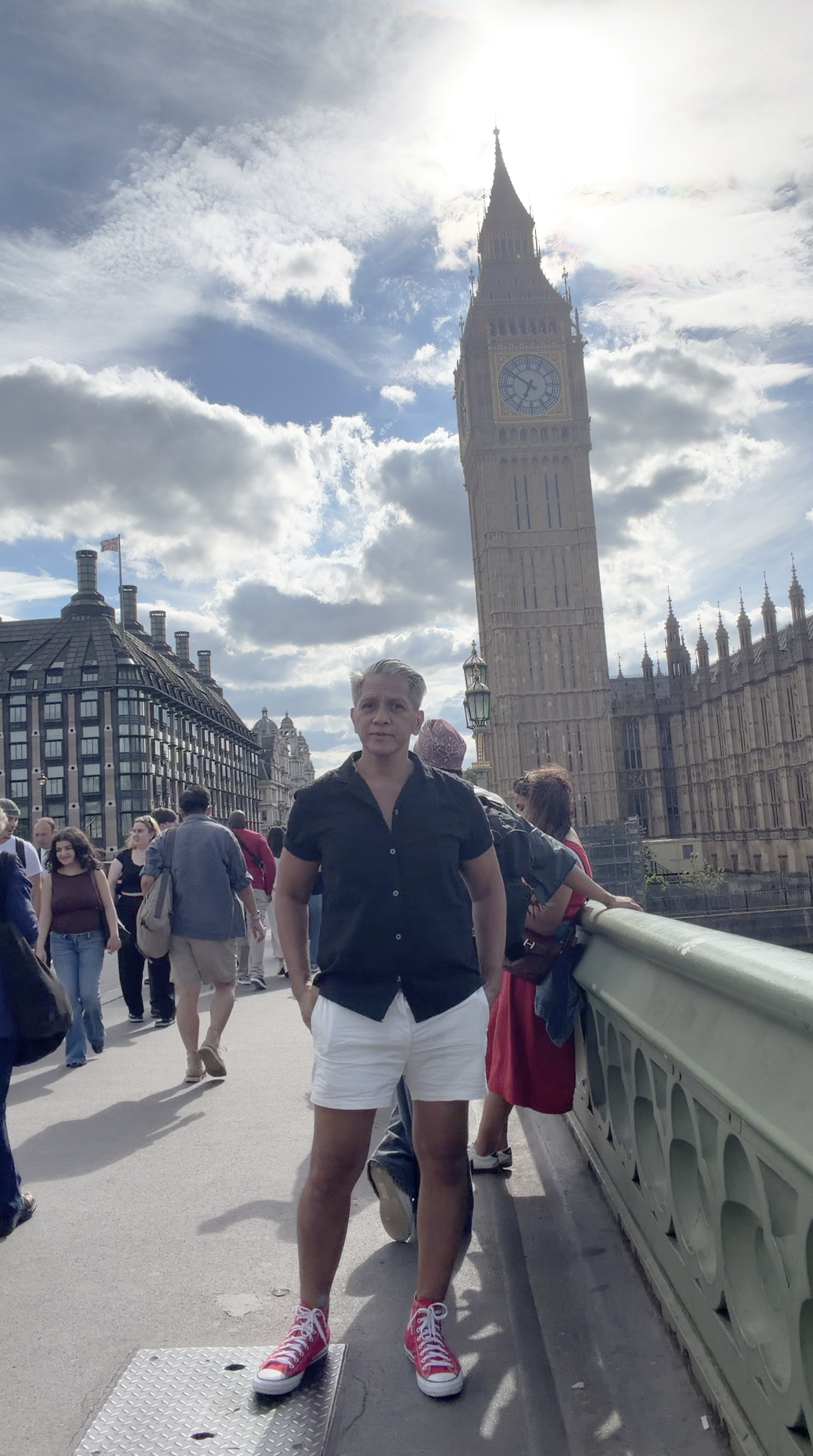
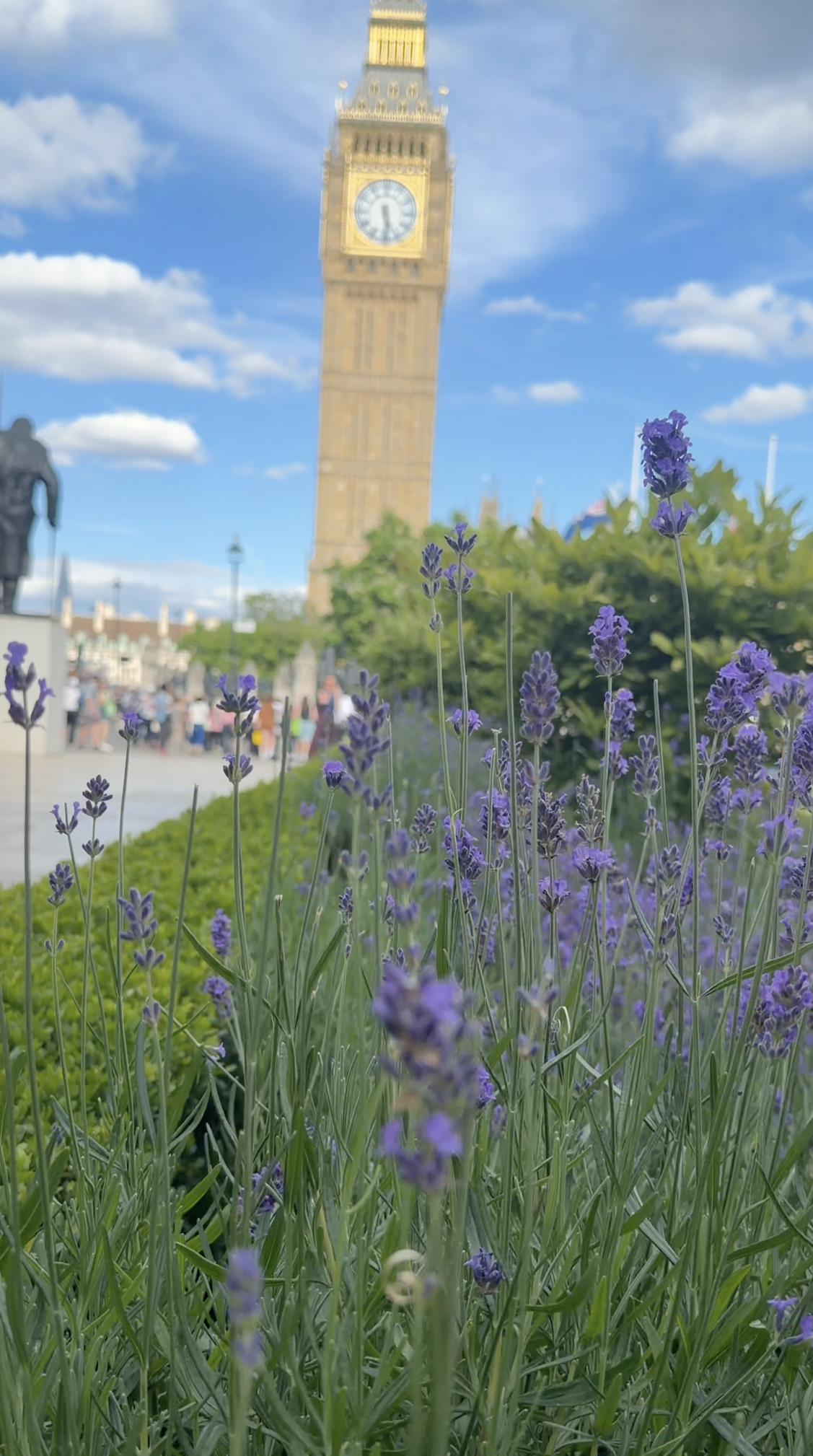
For now here’s Big Ben… as we continue this LGBTQIA+ rampa…