


















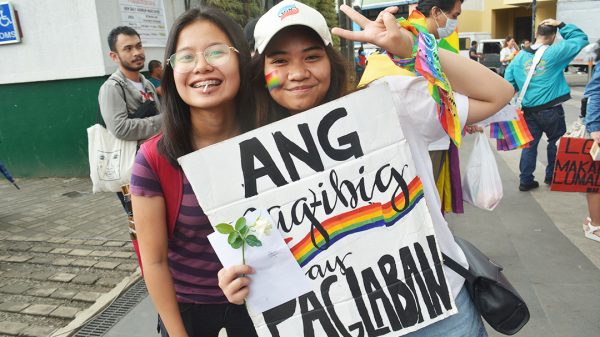









Hate speech directed at LGBTQIA+ individuals is emerging as a critical international phenomenon that demands urgent attention. This form of hate speech specifically targets people based on their sexual orientation or gender identity. The issue manifests worldwide in various forms, including online harassment, physical violence, and systematic exclusion.
Both online and offline hate speech against LGBTQIA+ people has been steadily increasing. The international dimension of this issue is amplified by differing legal frameworks and levels of societal acceptance across countries. While some nations have made significant progress in protecting LGBTQIA+ rights, the situation is deteriorating in other regions, where LGBTQIA+ individuals continue to face discrimination and violence.
The following sections will delve into the issue in greater detail, exploring its causes, consequences, and the efforts being made to address it.
Digital Threats: Online Hate Speech on the Rise
The internet plays a paradoxical dual role in the lives of queer people. On one hand, it offers protection through anonymity and facilitates supportive communities. The online casino scene, for instance, for example those providers featured on the Bonusetu list, has proven to be often tolerant towards the LGBTQIA+ community.
On the other hand, queerphobic individuals can use the internet as a platform to spread prejudice unfiltered. Digital platforms amplify discriminatory comments through recommendation algorithms (automatic content suggestions) and user anonymity. Online harassment is often understood as derogatory communication based on identity factors such as sexual orientation. This harassment can lead to real-world violence and reinforce societal prejudices. The speed and reach of digital media significantly multiply these harmful effects.
Alarming Figures: The Reality of Queer People in Europe
A 2020 EU-wide study by the European Union Agency for Fundamental Rights (FRA) reveals the shocking extent of discrimination against LGBTQIA+ individuals. More than half of LGBTQIA+ people reported being victims of hate-driven harassment — a significant increase compared to previous surveys.
Transgender and intersex people are particularly affected, with two-thirds experiencing hate speech. Experts estimate that the dark figure (unreported cases) of anti-queer violence could be as high as 90%, as only 13% of incidents are reported to the police. These statistics highlight the dramatic gap between actual and documented discrimination.
Particularly Vulnerable Groups: Trans and Intersex Individuals in Focus
Transgender and intersex individuals disproportionately experience hate-driven comments and exclusion. According to the FRA study, two-thirds of these groups face discrimination — significantly more than other LGBTQIA+ individuals.
This discrimination manifests in various areas of life, including the workplace, healthcare, public spaces, and within families. Transgender individuals additionally face legal hurdles when it comes to gender recognition. For intersex individuals, the rate of discrimination stands at 65%.
Intersex individuals often experience medical discrimination and unwanted interventions. The increasing visibility of these groups in the media can lead to greater acceptance, but it also results in heightened hostility.
Schools as Hotspots: Bullying of Queer Youth
Schools are increasingly becoming hotspots for anti-queer violence against LGBTQIA+ youth. 67% of LGBTQIA+ students report being harassed — a significant increase from 50% in 2019. This alarming trend affects young people during a critical phase of their lives. Bullying against queer youth has long-term consequences, impacting their educational success and significantly affecting their mental health.
Many queer youth develop school-related anxiety or drop out of their education altogether. Teachers are often insufficiently trained to handle anti-queer harassment effectively. Prevention programs and awareness initiatives are essential to improve the school climate. Schools should be a safe space for all children.
For more information: The organization GLAAD regularly publishes reports on the state of LGBTQ+ media and the community’s experiences with online hate.
For more information: The organization GLAAD regularly publishes reports on the state of LGBTQ+ media and the community’s experiences with online hate.
Hope Despite Challenges: Pathways to Greater Acceptance
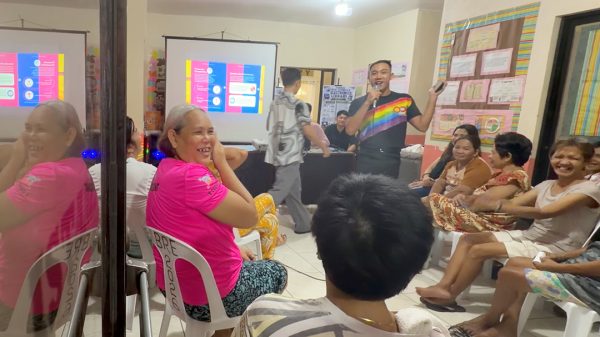
Despite the alarming developments, there is still reason for hope. International organizations are increasingly focused on protecting queer people. Civil society initiatives are raising awareness and providing support. Educational programs in schools have shown positive effects in reducing prejudice.
Businesses are increasingly recognizing the importance of diversity and inclusion. Legal advancements in certain countries can serve as models for others. The international networking of the LGBTQIA+ movement strengthens the fight against hate speech directed at LGBTQIA+ individuals. A societal shift is crucial to creating a safer, more inclusive world for all.