






























Factors like poverty, depression, anxiety, substance use, alcohol use, other mental health diagnoses, and sexual victimization make people more likely to engage in risky behaviors like having sex without a condom, having multiple sexual partners, and not using PrEP (Pre-Exposure Prophylaxis).
This is according to a study – “Psychosocial Syndemic Burden, Sexual Behaviors, and Engagement in HIV Prevention Care Among Sexual and Gender Minority Youths: United States, 2022” by Pablo K. Valente, Raghavee Neupane, Lisa Eaton, and Ryan J. Watson – that appeared in the American Journal of Public Health.
According to the researchers, for a long time, others have looked at each of these factors independently. But recently there has been a push to consider their interactions. This is because most papers looking at these factors have demonstrated a linear relationship. What this means is that if you have one factor at play – say, for example, depression – it is twice as bad to have two factors, like depression and alcohol use.
This new study demonstrates an exponential relationship instead. This is something that scientists have theorized for years without much empirical evidence to support the hypothesis until now.
“Most studies haven’t been able to demonstrate this kind of synergistic relationship between the syndemic factors,” Valente said. “And that’s what we did. We’ve shown that having two factors is much worse than having one and having three factors is much, much worse than having two factors.”
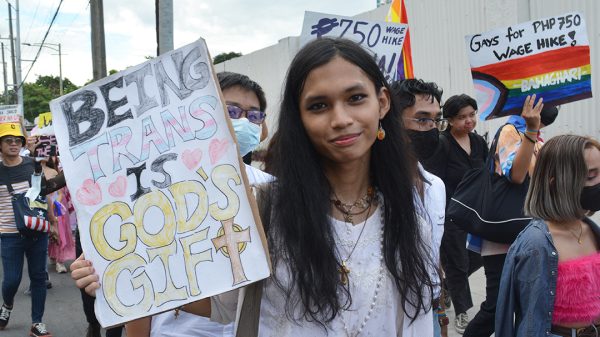
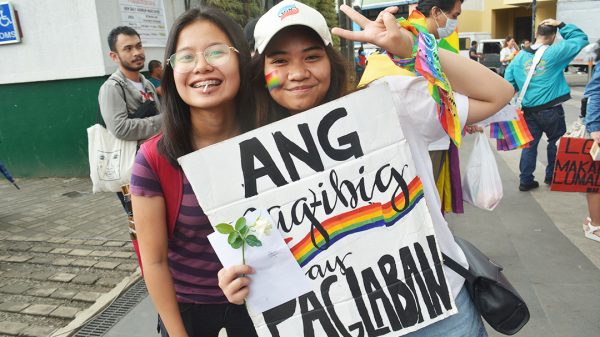
The researchers used data from a survey of LGBTQ+ youth. LGBTQ+ people have historically and continue to be one group that is at a greater risk of contracting HIV.
“A major strength of this study was the use of our national sample of LGBTQ+ youth, many of whom reported intersections of multiple marginalized social positions,” Watson says. “Data collected with so many young LGBTQ+ youth give us a unique view into the complexities and nuances of the lived experiences of today’s LGBTQ+ teens.”
One unexpected finding is that the more factors an individual had, the more likely they were to be exposed to PrEP – a medication that can prevent the contraction of HIV even if you come into contact with the virus – and get information about the drug and its benefits.
“People who are exposed to these factors in combination, they have much more risk and they are probably more connected and more aware of what’s out there in terms of PrEP,” Valente said.
This understanding changes the way researchers think about interventions for people at risk of contracting HIV.
“Better understanding syndemic conditions in one of the most vulnerable youth populations — sexual and gender diverse adolescents — has been much needed, and this study contributes to the growing body of research by using a large national sample of LGBTQ+ youth,” Watson said.
If the linear model were accurate, it would not matter which HIV risk factor interventions were addressed since they all have, in theory, the same impact. But an exponential relationship demonstrates the need for interventions that tackle multiple risk factors at once to provide a substantial benefit.
“If they are linear, the implication is that whatever you address, there is some benefit to that,” Valente said. “Showing that it’s synergistic, it calls for interventions that address more than one of these things. Addressing two of these factors would have more of an impact than addressing things individually.”
For example, therapy-based interventions that address stigma surrounding HIV may also reduce substance use among participants, since that is a common coping strategy for stigmatization, and improve their overall mental health.
“They’re all deeply related,” Valente said. “So, I think dismantling several of them at a time will be very important.”
Valente is continuing to use the methods that uncovered the exponential relationship among LGBTQ+ people with a dataset of hospitals that provide care for people living with HIV.