


















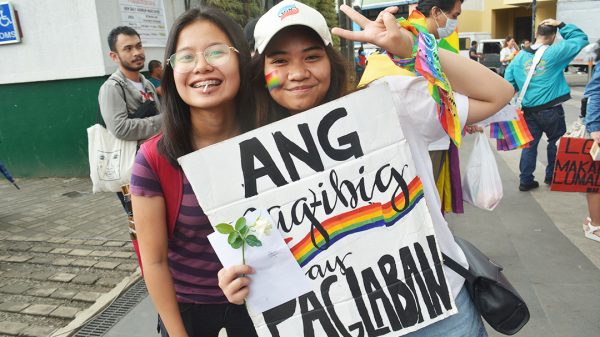






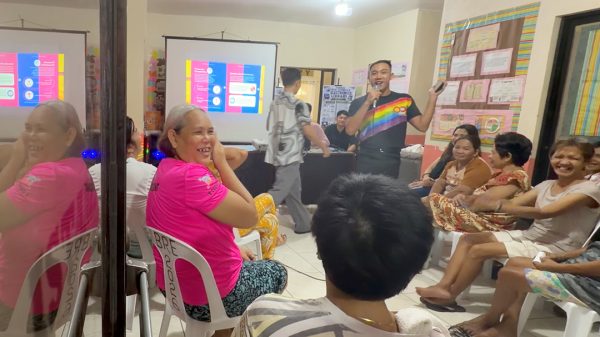





Residents in Cebu Province – including those in LGBTQIA+ relationships – may now formally designate care partners who can assist them in health, emergency and social welfare situations with Gov. Pam Baricuatro signing an executive order establishing a “Right to Care” program.
Executive Order No. 29, or the “Care Executive Order of the Province of Cebu”, creates a framework to recognize caregiving relationships outside of traditional male-to-female marriages, as well as immediate family ties. This is to ensure that individuals will not be denied care, companionship or assistance just because they lack formal legal recognition of their relationships.
As FYI: because this is “just” an EO, so the politician succeeding Baricuatro can just repeal it if he/she/they oppose giving LGBTQIA+ Cebuanos human rights.
The EO tasks provincial and district hospitals, social welfare offices and other provincial agencies to recognize designated care partners for administrative purposes; while establishing a registry and identification system under what the provincial government calls the “Right to Care Program”
The EO defines a “care relationship” as one based on mutual support, caregiving, companionship and responsibility, regardless of legal marital status. It notes that caregiving relationships may exist outside traditional marital arrangements, even going as far as citing the barriers faced by members of the LGBTQIA+ community, individuals and common-law partners in accessing services during medical emergencies and hospitalizations.
The measure establishes a voluntary registration process to be administered by the Provincial Social Welfare and Development Office in coordination with the Provincial Health Office and the Provincial Gender and Development Office. Participants are to submit sworn designation forms, amend or revoke partnerships, and obtain digital “Right to Care” cards.
Under the EO, a designated care partner may:
- accompany and visit an individual in hospitals and health facilities,
- receive updates and participate in discussions regarding patient care when authorized,
- serve as an emergency contact, and
- assist in accessing social welfare interventions and emergency assistance.
To emphasize that it is not granting special rights, the EO notes that it does not create marriage, civil union, inheritance or property rights beyond those already recognized under Philippine law. It is but an administrative recognition of designated caregiving relationships for health, emergency and social protection purposes.
Provincial offices have been given 60 days to draft implementing guidelines. The order took effect immediately upon signing and dissemination on June 1.