










By Jeff Cagandahan
Executive Director
Intersex Philippines, Inc.
Alam mo ba na may mga tao na hindi fit sa sinasabi nilang ‘normal’ sex labels? Ako yun! I’m intersex. And for the longest time, I thought I was the only one. But here’s the thing: We exist. And it’s time we start talking about it. For so long, I thought na I was the only one who was different. You know what? There are millions of us out there.
And today, I’m sharing this with you. I’m sharing the story of how I found happiness and peace in understanding myself as intersex. It’s something that changed my life. I’m not just one of the others. I’m special. I’m unique, and so are you.
Being intersex isn’t just about how we look. It’s not only about the genitalia. The insensitive comments and the judgment. People don’t understand it.
There’s a lack of knowledge about what intersex is and it’s frustrating. Some may think we’re just confused. Others may question our identity. I’ve had to fight for respect and recognition. Gusto ko lang maging happy but the world makes it hard.
But you know what? I’ve learned to stand up for myself and I want you to stand with me.
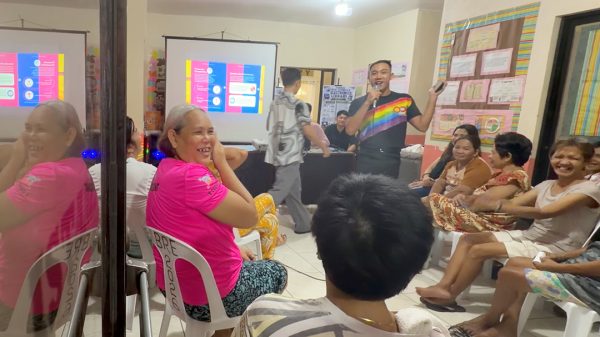
Now, let’s do something about it. Join me in spreading awareness kasi we deserve respect. We deserve to live without fear of being misunderstood. ADVOCACY starts with understanding. I want to help people see us for who we truly are. Not a mistake, not a disorder, not an anomaly. We are human.
I’m sharing this so people can start learning, so that intersex people like me can live in peace and dignity.