




























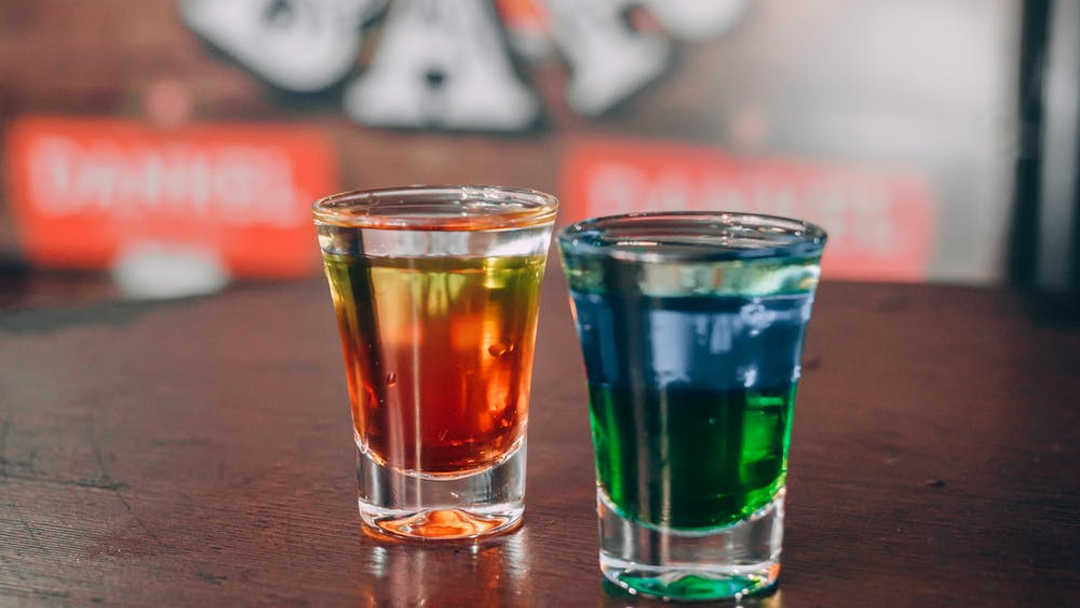
More than half of college sophomores and juniors experienced at least one alcohol-related harm. Students who identified as White, cisfemale, transgender, gender-nonconforming, or of higher socioeconomic status, as well as those living with roommates, attending four-year institutions, or participating in Greek life or intercollegiate athletics, were at greater risk.
This is according to a study — “Harms from others’ drinking among college students: Prevalence and risk factors, 2022” by Jih-Cheng Yeh, Pamela J. Trangenstein, Patrick J. D. Tiongson, Amelia M. Arria, Thomas K. Greenfield, and David H. Jernigan — that appeared in Drug and Alcohol Review.
“Our research reveals the far-reaching and often overlooked impact of alcohol on college campuses,” said study lead author Jih-Cheng (Jack) Yeh. “Alcohol-related harms extend well beyond the drinker, influencing the broader campus community. These harms disrupt lives, strain campus resources, and create ripple effects that touch every part of the university experience.”
The study surveyed more than 1,900 students at 46 colleges and universities across the US. Researchers found that 53.5% of students reported experiencing at least one harm caused by someone else’s drinking, ranging from verbal abuse and physical confrontations to academic disruptions and emotional distress.
The most commonly reported harm was babysitting drinkers (33.8%), followed by social harms, such as physical or psychological distress (23.5%), sleep or study disruptions (15%), and verbal harassment (14.3%). Other harms included being emotionally hurt/neglected or feeling threatened/afraid (13.1%), having unwanted sexual contact (5.1%), being physically assaulted (4.3%), and experiencing academic consequences such as dropping a class or transferring schools (3.1%).
“Heavy drinking among students causes collateral damage beyond the student drinkers themselves,” said study co-author Trangenstein. “It is critical for the success and well-being of all students that we track, prevent and protect students from experiencing these harms.”
The study added to a bevy of research highlighting the dangers of alcohol consumption, including a recent advisory by the US Surgeon General that links alcohol consumption to seven types of cancer and suggests that alcohol beverages should display a warning label about this risk.
The researchers recommend several strategies for mitigating alcohol-related harms, including place-based initiatives that reduce alcohol consumption in university housing, targeted interventions with members of Greek life and student athletes, and greater use of evidence-based strategies to reduce and prevent alcohol consumption, including screening with personalized and normative feedback, limits on happy hours and drink-price discounting, and raising state alcohol taxes. These measures, they argue, could help reduce not only the direct effects of alcohol misuse but also the collateral damage experienced by others.
“College drinking is sometimes seen as a rite of passage, but this rite has dangerous and harmful ripple effects,” says study senior author Dr. David Jernigan, professor of health law, policy & management at BUSPH. “There is much more that campuses and governments can do to better protect students from these harms.”
Beyond the physical and academic consequences documented in the study, alcohol misuse among students can also create serious legal exposure. Driving after a night of heavy drinking is among the most common and costly mistakes a young person can make, often resulting in a DUI charge that follows them for years. Anyone facing that situation should act quickly; consulting a DUI lawyer early can make a meaningful difference in how a case is resolved and what long-term impact it has on a student’s record, career, and future.