









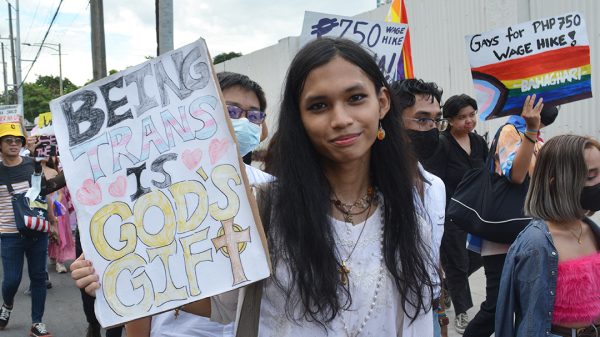





















Perceiving greater discrimination in healthcare, the LGBTQIA+ community delays seeking medical appointments
This is according to a University of Córdoba study that compared the perceived discrimination in healthcare among young people aged 18 to 40, forming part of the LGBTQIA+ community and their cisgender peers
The researchers noted that those in the LGBTQ+ community face extra barriers in their daily lives due to their sexual orientation or gender identity, and one of the areas where these individuals sometimes suffer discrimination is in healthcare. In fact, a survey by the State Federation of Lesbians, Gays, Trans, Bisexual, and Intersex People found that more than 20% of the trans people surveyed had felt discriminated against when visiting primary care providers.
In this study, researchers Andrea Miranda and Judith Velasco, along with their colleague Francisco Javier Sanmartín, with the Department of Psychology at the University of Córdoba (UCO), conducted a research on young LGBTQ+ individuals’ perception of discrimination by exploring several questions: Do these individuals feel more discriminated against than cisgender individual? Does this affect their trust in healthcare providers and cause them to attend appointments less often? In total, 217 people between the ages of 18 and 40 took part in the study.
According to Sanmartín, “the data… showed us that gay, bisexual, lesbian, and trans individuals reported higher rates of perceived discrimination than cisgender individuals, although the latter also felt discriminated against.”
Key findings included:
- while cisgender people felt discriminated against because their explanations were overlooked, or because of the clash between medical authority and their personal experiences, members of the LGBTQIA+ community perceived higher levels of discrimination, which they linked directly to their sexual orientation or gender identity.
- the main discriminatory experiences suffered by these individuals included the use of “dead names” for trans people (the ones they had before transitioning), the incorrect use of pronouns despite an explicit request to use the appropriate ones, and the application of biases related to promiscuity, paternalism, or moral judgments toward gay, lesbian, and bisexual people.
“Perceived discrimination was associated with greater psychological distress and lower trust in healthcare professionals,” Velasco said, adding that this perceived discrimination led these individuals from the community to seek medical consultations less often and also to resort to strategies such as concealing their sexual orientation or gender identity.
“This concealment can lead to misdiagnoses or less effective treatments, but people also associated the visibility of these issues during consultations with prejudices, biases, and the linking of pathologies to their identity or orientation without exploring other issues,” Velasco added.
If anything, the study demonstrated that “delays in LGBTQ+ individuals seeking medical care can lead to worse prognoses for their illnesses, whether physical or psychological.
For the research team, this study highlighted a lack of training, as “medical staff do not act with ill intent; rather, there is a lack of training and of updated protocols that promote sensitivity toward these individuals and ensure that they receive individualized care,” concluded Sanmartín.
For the researchers, this training should begin in the university setting, with content that cuts across all subjects, with a view to improving healthcare later at the doctor’s office.