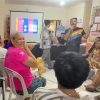











Filipino psychologists, counselors, and researchers from all over the country gathered for new LGBT training and research at the 53rd Annual Convention of the Psychological Association of the Philippines (PAP) held in Clark, Pampanga.
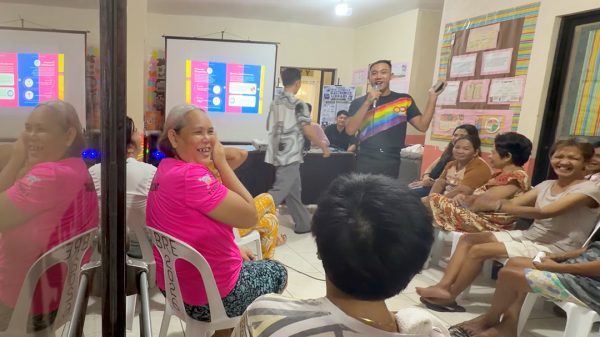
The need to focus on LGBT strengths instead of attempting to “fix” sexual orientation or gender identity of clients was highlighted in a training session led by Jelly Virata, a counseling psychologist in private practice. Ronald del Castillo, professor of public health and behavioral sciences at UP Manila, also emphasized the importance of being aware of anti-gay micro-aggressions, especially among mental health service providers.
Researchers from Manila, Quezon City, Legazpi, and Iloilo also presented locally conducted studies on a range of LGBT topics in the three-day conference attended by more than a thousand Filipino mental health professionals, counselors, and graduate students. Research topics included children of lesbian and gay parents, prison experiences of gay detainees, and suicide risk among LGBT Filipinos, in addition to a special session led by Ateneo de Manila University psychologists on the psychological impact of homophobic remarks made by Manny Pacquiao.
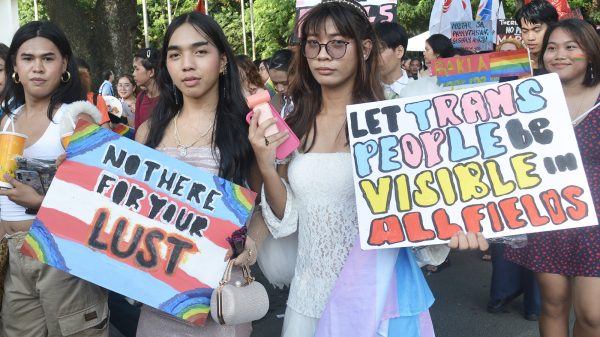
According to Bea Torre, co-coordinator of the PAP’s LGBT Psychology Special Interest Group: “This is the seventh year for LGBT inclusion in our annual convention. We continue to strengthen the LGBT-affirmative voice within Philippine psychology.”