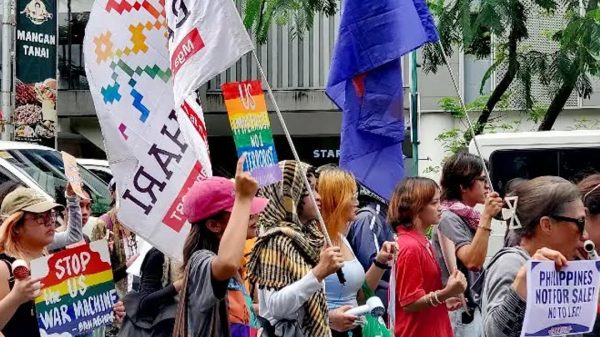
































Gender minority adults were significantly more likely to report multiple social risk factors than heterosexual and cisgender adults, highlighting the need for policies that advance the health and well-being of these groups.
This is according to a study — “Inequities in Self-Reported Social Risk Factors by Sexual Orientation and Gender Identity” by Kevin H. Nguyen, Timothy W. Levengood, Allegra R. Gordon, et al — that appeared in the JAMA Health Forum journal.
“There is substantial evidence that sexual and gender minority adults often report limited access to care and worse health outcomes compared to heterosexual and cisgender adults, respectively,” said Nguyen. “We know less, however, about how often they report social risk factors—dissatisfaction with life, social isolation, employment loss, insufficient food, and stress—which are linked to poor health outcomes.”
For this study, the researchers utilized data from the Behavioral Risk Factor Surveillance System, an annual survey administered by the Centers for Disease Control and Prevention to monitor US adults’ health status, health behaviors, and access to care. The study focused on health data for 178,803 adults living in 22 US states from January 2022 to February 2023.
The researchers assessed a variety of social factors that can affect one’s health and well-being, including dissatisfaction with life, lack of emotional support, social isolation, job loss within the past year, stress, Supplemental Nutrition Assistance Program (SNAP) participation within the past year, insufficient amount of food, inability to pay bills or utilities, and lack of transportation.
Key findings included:
- About 58% of sexual minority women reported that they experienced at least one of these risk factors compared to about 37% of heterosexual women, and they were more likely to experience social isolation and stress.
- About 51% of sexual minority men experienced at least one risk factor, compared to 34% of heterosexual men, and they were more likely to experience stress and feel dissatisfied with life.
- Of gender minority adults, about 64% experienced at least one risk factor compared to 37% of cisgender adults, and they were significantly more likely to report social isolation and stress.
These inequities in social risk factors are consequences of structural discrimination and stigmatization of marginalized populations, the researchers said. Biased attitudes and discriminatory policies — such as the hundreds of anti-LGBTQ+ bills that target SGM populations across the country — often result in a loss of resources and support for the affected groups, which contributes to stress, isolation, and economic hardship.
“Public policies that codify equality by sexual orientation and gender identity may have long-term effects on financial security, socioeconomic mobility, and mental well-being for sexual and gender minorities,” Nguyen said. “Collection of sexual orientation and gender identity data may also help us better measure, identify, and address disparities in social risk factors experienced by sexual and gender minority adults.”