

















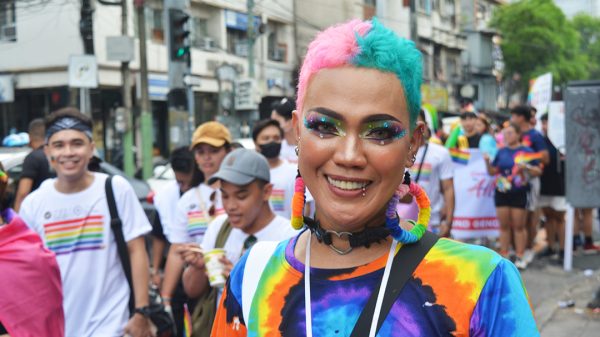












The internet can feel like a huge, messy place, but for lots of us, it’s also super important. It’s where we find our people, dig into our interests, and see parts of ourselves reflected in ways we might not in everyday life.
More than just a place for information, digital platforms have become like modern community centers, helping us connect and have fun, no matter our identity or what we’re into. Building and finding these safe, welcoming spots online is key to making your digital life supportive and enriching.
The Rise of Inclusive Online Content
Not long ago, mainstream media showed a really narrow view of the world. The stories, faces, and voices we saw were often limited, making many people feel invisible. The internet changed all that. Now, creators from all sorts of backgrounds can share their views directly with people everywhere, leading to a vibrant burst of inclusive online content.
This change isn’t just about seeing yourself represented; it’s about feeling seen and valued. When you watch YouTubers who share your experiences, listen to podcasters who talk about your specific interests, or stream shows with characters who look and sound like you, it sends a powerful message: you belong. These platforms have given a voice to communities that were often overlooked, letting authentic stories be told without being filtered by big corporations. This has really helped many people understand themselves and their place in the world better. A big part of this has been creating an inclusive online community where people feel safe enough to be themselves and share their stories without worrying about judgment.
Finding Niche Communities Online
One of the coolest things about the internet is how it brings together people with super specific interests. No matter how niche your hobby or identity, chances are there’s a community for it online. These spaces are priceless for finding support, making friends, and feeling like you belong.
So, where do you even start looking?
- Forums and Subreddits: Sites like Reddit have “subreddits” for almost anything you can imagine, from vintage clothes to specific video games. These are often well-run places for deep conversations.
- Discord Servers: Discord started with gamers, but now it’s a hub for all kinds of communities. Many content creators, artists, and hobby groups have their own servers where members can chat in real time.
- Social Media Groups: Facebook and other platforms have groups dedicated to tons of interests. These can be great for connecting locally or having global discussions.
Finding these groups usually starts with a simple search using words related to what you’re interested in. You can also check out the social media pages of creators you like, as they often link to their community spaces. Research shows that online fan communities are really important for social connection and a sense of identity, acting like modern fan clubs where people can bond over shared passions.
Understanding Online Entertainment Options
Digital entertainment has grown way beyond just watching movies or listening to music. Today, it’s interactive and really personal. Gaming, for example, has become a huge social activity where players team up and build friendships in massive virtual worlds. Many games now focus on inclusive character creation and storytelling, letting players see themselves in the heroes they control.
Beyond gaming, you can find interactive stories where you shape the plot, or join live-streamed concerts from artists all over the world. The digital world also offers entertainment tailored to specific cultural preferences, including platforms like an arab casino that provide access to online casino games, localized content, and language-specific user experiences. These kinds of platforms can offer a more familiar and accessible environment for users who prefer entertainment aligned with their cultural background. For many marginalized and understudied populations, these specialized digital spaces are vital for accessing content that reflects their identity and preferences. The main thing is to explore and find the platforms that truly click with you.
Privacy and Security in Digital Spaces
As we build our lives online, keeping our privacy and security safe is super important. A space can’t feel truly safe if you’re worried about your personal information getting out or being used wrongly. Taking charge of your digital footprint is a key part of making your online experience a good one. It all starts with a few basic steps that can make a huge difference.
First, think about your public versus private self. For many, especially those in the LGBTQ+ community, using a fake name or a separate account for certain online activities can give you a necessary layer of protection. It lets you explore your identity and connect with others without linking it to your job or family life. Beyond that, it’s about good digital habits. Use strong, unique passwords for every account and turn on two-factor authentication whenever you can. Be careful about what permissions you give to apps and websites. Do they really need access to your contacts or location? Taking the time to check and adjust privacy settings on your social media accounts isn’t just a one-time thing; it’s something you should keep doing. Learning about creating inclusive spaces online also means understanding the security steps that help protect everyone from harassment and bad actors.
Balancing Screen Time with Real Life
Online communities and entertainment are fantastic, but it’s also important to keep a healthy balance with your offline life. The goal isn’t to say screen time is bad, but to fit it into your life in a way that feels purposeful and helpful, not draining. If your digital life starts to take over your real-world connections and responsibilities, it might be time to rethink things.
One good strategy is to set clear boundaries. This could mean having “no-phone zones” in your home, like at the dinner table, or setting a specific time in the evening when you put all devices away. Many smartphones have tools that track your screen time and let you set limits on certain apps. Use them to get an honest look at your habits and make conscious choices about where you spend your digital energy. It’s also helpful to plan offline activities you genuinely enjoy, whether it’s going for a walk, meeting a friend for coffee, or picking up an old hobby. This makes sure you’re nurturing your real-world connections and well-being, making your time online a bonus to a full life, not a replacement for one.
Ultimately, the internet is a tool, and you get to decide how you use it. By looking for inclusive content, joining communities that lift you, and practicing good digital safety, you can create an online world that truly feels like an extension of your best self.