





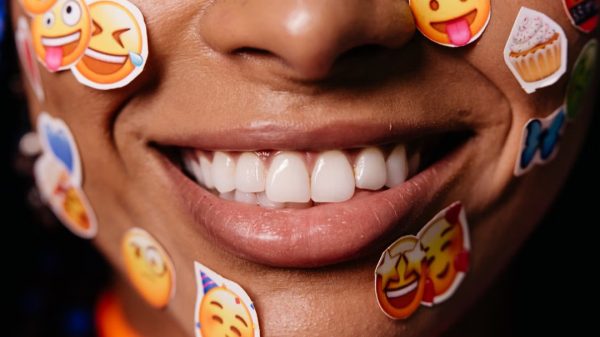
























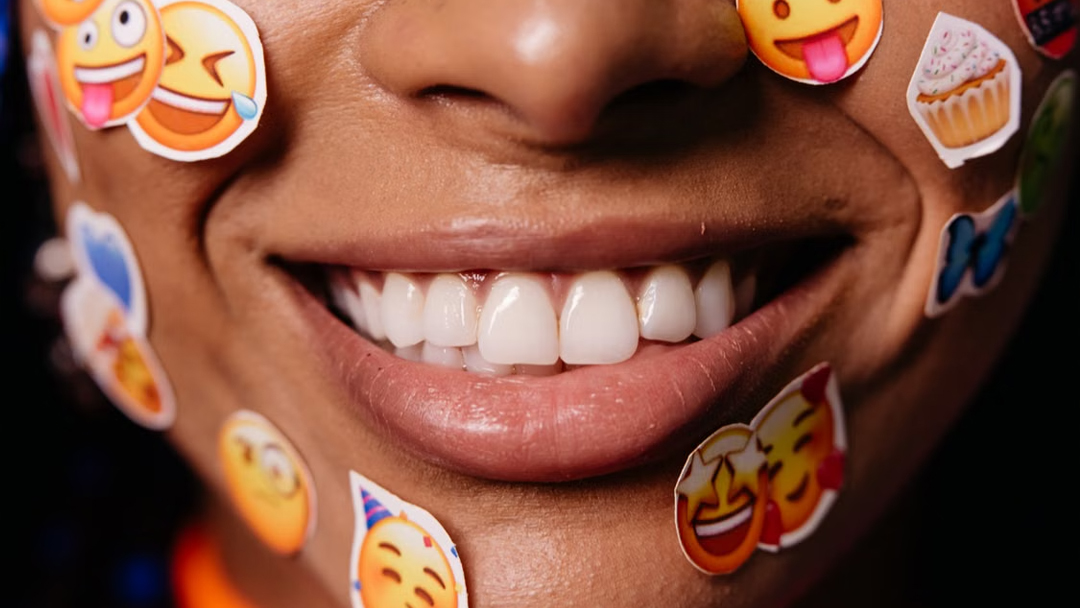
A smile is one of our most powerful ways to communicate. It often says more than words ever could, acting as a universal sign of friendliness and happiness. But for many, smiling brings self-consciousness. If you find yourself hiding your teeth in photos or covering your mouth when you laugh, you’re definitely not alone.
The way we feel about our smile is deeply tied to our self-worth, and understanding that link is the first step toward feeling confident again.
The Science Behind a Confident Grin
When you’re proud of your smile, you’re more likely to use it freely. This can create a positive cycle, as the simple act of smiling, even if you have to force it, can trigger your brain to release endorphins that genuinely boost your mood.
On the flip side, feeling insecure about your teeth can make you avoid smiling. Others might misinterpret this as unfriendliness or disinterest, which can put up social barriers. Over time, this insecurity can significantly affect your self-confidence and even hold you back in personal and professional situations.
How a Straighter Smile Can Change Social Interactions
When you feel good about your teeth, you’re more likely to engage openly with others, make eye contact, and participate fully in conversations. This isn’t about getting a “perfect” Hollywood smile, but about feeling comfortable enough to let your personality shine without holding back.
For those bothered by crooked or misaligned teeth, modern solutions have made improvements more accessible than ever. Options like at-home teeth straightening with clear aligners offer a discreet and convenient way to work towards a smile that helps you feel your best, letting you focus on the connection you’re making instead of how you look.
More Than Just Looks: Health and Happiness
A straighter smile is often a healthier one. Properly aligned teeth are easier to brush and floss effectively, which can lower your risk of cavities and gum disease. The link between oral hygiene and overall health is well-known, connecting gum health to everything from heart health to diabetes management.
Plus, having a smile you’re happy with can genuinely boost your self-esteem and make you feel more confident in everyday situations. When you stop worrying about perceived imperfections, you free up mental and emotional energy that can be put into more positive and productive parts of your life.
Practical Steps Toward a Smile You Love
If you want to feel better about your smile, you have many options, and not all of them involve major procedures, though some people do report better psychosocial health after surgery. Small, consistent habits can make a big difference.
- Boost Your Oral Hygiene: Start with the basics. Brushing twice a day, flossing daily, and using an antiseptic mouthwash can greatly improve the health and look of your teeth and gums.
- Think About Professional Whitening: Stains from coffee, tea, or other foods can dull your smile over time. A professional cleaning or a safe at-home whitening kit can restore brightness and give you an instant confidence boost.
- Look into Alignment Options: If the alignment of your teeth is a main concern, research what’s available. From traditional braces to modern clear aligners, there are solutions for different needs and budgets.
- Practice Smiling: It might sound silly, but practicing smiling in the mirror can help you get more comfortable with your appearance. It helps retrain your brain to see smiling as a positive, natural expression rather than something to hide.
Embracing Your Unique Smile
Although making changes can be empowering, it’s also important to remember that confidence ultimately comes from within. Gaps, unique shapes, and slight imperfections are part of what makes your smile yours. Paying attention to any dental health condition can also help you decide whether a change is worth making. The goal is to reach a place where you feel good about yourself.
Feeling good about your smile means removing a barrier between you and the world. When you’re not worried about hiding your teeth, you can laugh louder, speak more freely, and connect more authentically with the people around you.