



























Inclusive brewing collectives are creating more room for LGBTQ+ makers, people of color and other creators who have often lacked access to industry funding and decision-making roles. These groups share knowledge, production space and professional networks while giving customers a stronger connection to the people behind each release. Their momentum reflects a growing appetite for businesses that pair good products with clear community values.
Breaking Traditional Industry Mold
Opening a brewery requires capital, technical expertise and relationships with suppliers and distributors. Those barriers can be especially difficult for creators who haven’t traditionally had access to established industry networks. A collective lowers some of them through shared equipment, group purchasing and collaborative production schedules.
Members can also compare beer statistics covering consumption, prices and market trends before choosing a format or planning distribution. That wider context helps a group assess where its concept may fit without assuming every market behaves the same way.
The collective model also spreads creative authority. A rotating release calendar, for example, can give each member responsibility for a recipe, label concept and launch event while the group shares administrative work.
Fostering Truly Welcoming Taprooms
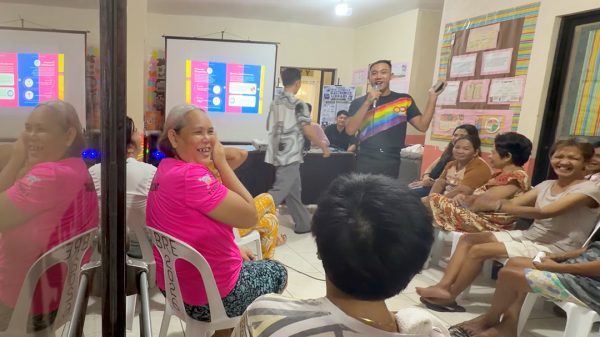
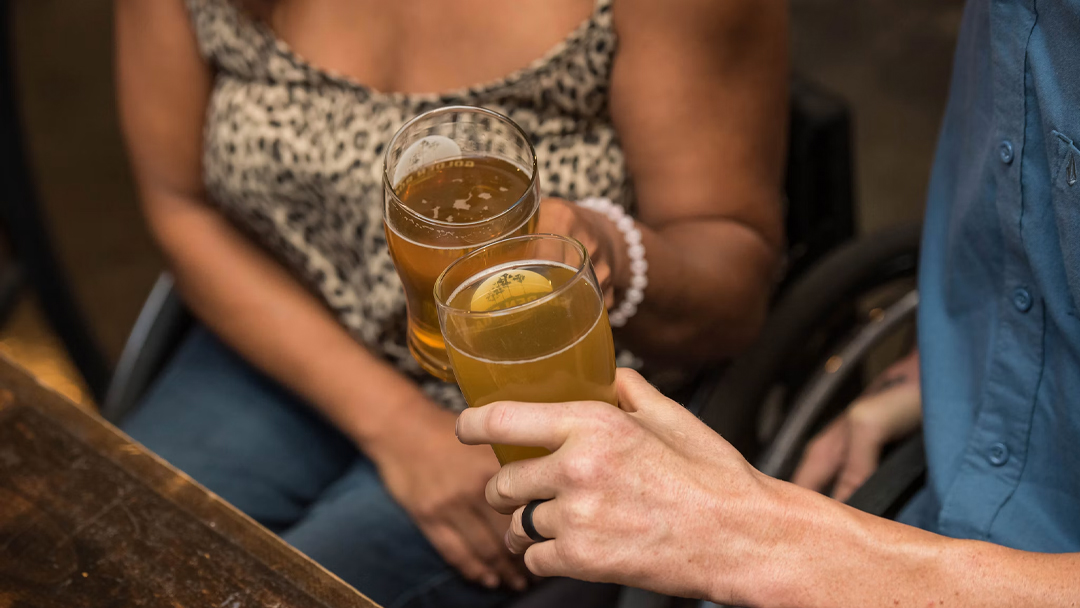
Inclusive ownership can shape the customer experience in practical ways. Clear codes of conduct, accessible seating, gender-neutral restrooms and staff training all signal that respect is part of daily operations. Owners should also create a simple process for reporting harassment and explain how managers will respond. Creating a space where LGBTQ+ customers can socialize without fear of judgment is just as important as making the venue physically accessible, as illustrated by this community-focused approach to welcoming spaces.
Industry conversations about safer taproom spaces offer useful guidance, but policies only work when employees apply them consistently. A manager who checks in after an incident and documents the response builds more trust than a sign on the wall ever could.
Programming matters too. Quiet social hours, local artist pop-ups and alcohol-free options can welcome people who may feel overlooked by loud, nightlife-focused venues. Collectives should ask regulars for feedback and pay contributors for events whenever budgets allow.
Contextualizing Market Share and Growth
The visibility of inclusive collectives can make the movement seem larger than its current market share. Many remain small producers with limited distribution, so success shouldn’t be measured only by national sales volume. Local repeat visits, wholesale accounts and paid collaboration opportunities may reveal more about a collective’s stability.
Useful tracking can stay simple. Teams might review monthly taproom traffic, average customer spending, event attendance and the percentage of guests who return within 60 days. They can also record which releases attract new buyers without treating identity as a marketing shortcut.
Growth should match available staff time and production capacity. Selling out one collaborative batch may support another release, while a rushed expansion could strain both finances and relationships. Transparent reporting helps members decide together when demand supports the next move.
Collaborative Growth for Diverse Creators
Strong collectives create paths for people to gain experience, credit and income. A guest creator might begin with a paid recipe workshop, move into a small-batch collaboration and later lead a public launch. Written agreements should identify who owns the recipe, how revenue will be divided and whose name appears in promotional materials.
Community partnerships can extend that support. The Brewers Association’s community engagement resources provide examples that businesses can adapt when working with nonprofits and neighborhood groups. A collective could host a fundraiser, source artwork from a local illustrator or sponsor training for aspiring hospitality workers.
Fair collaboration requires honest budgets and clear expectations from the start. When creators receive meaningful authority alongside compensation and visible credit, the resulting network can keep producing opportunities long after one release leaves the tap list.
Inclusive brewing collectives will gain lasting influence through these everyday choices: paying collaborators fairly, responding to concerns and sharing the spotlight. The most convincing sign of progress may be a taproom where more people can picture themselves behind the counter, at the planning table or leading the next release.