

























Connect with us

Hi, what are you looking for?

Op-Ed

Can used syringes be cleaned to avoid HIV infection among drug users?

Worried about possibly getting infected with HIV, an injecting drug user wants to know if he can re-use syringes after decontaminating them with bleach. Dr. Jose Narciso Melchor Sescon provides needed information on this.

Dr. Jose Narciso Melchor Sescon – president of the AIDS Society of the Philippines and current Chief of Clinics of Sta. Ana Hospital – answers all your HIV-related inquiries. For all your questions, email josescon1@gmail.com or info@outragemag.com.

Dear Doc,

I’m a new IDU. I occasionally share needles. One of my friends told me that it’s okay to clean the needle with bleach. Is this true?

Mr. IDU

People who inject/use drugs should know how to protect themselves in contracting blood-borne infections, such as Hepatitis B and C , syphilis, malaria, and HIV. Ideally, disposable needles/syringes (i.e. one time use) is the safest way to go about this, but there are instances – for instance, due to financial constraints – when one ends up re-using needles.

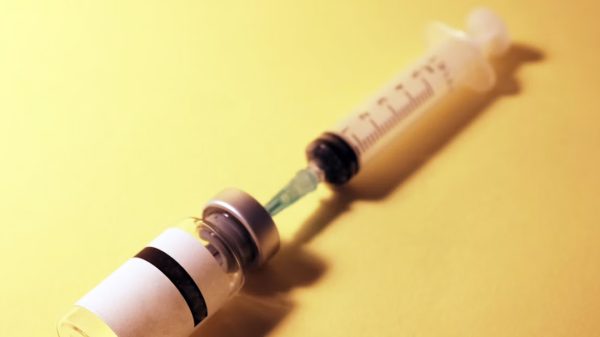
Here, the gold standard of cleaning syringes is with the use of bleach and water. There is the 2 x 2 x 2 technique of cleaning; that is, you prepare two sterile containers for sterile water or distilled water, and the third container is household bleach. Draw water from the first water container up to the brim of the syringe, then squirt or flash out in the waste bin. Follow the same with bleach (from the second container), and then squirt out in the waste bin.  For the final step, draw water from the third container, then squirt out, too. Now the syringe is clean for use.

Note that while the virus can be easily decontaminated with the use of household bleach, one disadvantage with repeated use of needles and syringes is the sharpness of the needles. That is, with repeated use, it becomes dull and injecting becomes more rough and discomforting.


 

Fondly called Jojo, Jose Narciso Melchor Sescon is a medical doctor with specialization in obstetrics and gynecology. Spending much of his time in public health services with focus on HIV and AIDS, STI, and sexual and reproductive health, Jojo wears multiple hats, blending public health advocacy and clinical-cum-administrative work. For 12 years, he served as the Executive Director of Remedios AIDS Foundation, the pioneering AIDS service organization in the Philippines. Then in 2008, he assumed the presidency of the AIDS Society of the Philippines, which he still heads now. Jojo is also the current Chief of Clinics of Sta. Ana Hospital, and has held regional and local consultancy works for development agencies. Jojo is a self-confessed lacto-vegetarian, a raja yoga meditation practitioner, and a health/wellness buff. He also loves to share his thoughts and reflections based on learned skills/competencies and experiences. This soft-spoken soul loves taking on new initiatives/roles, and loves to talk with people about spirituality and good health.

Advertisement
Advertisement

Like Us On Facebook

YOU MAY ALSO LIKE

POZ

With the new pill, most participants experienced fewer lipid-related side effects, such as increased cholesterol levels, suggesting an additional potential benefit for those at risk of heart...

POZ

The medication, anifrolumab, blocks type 1 interferon and is used to treat systemic lupus erythematosus, SLE, an autoimmune disease.

Health & Wellness

The use of cocaine and amphetamines was associated with around double the risk of stroke (cocaine increased the risk by 96%, amphetamines by 122%),...

POZ

Developing an intermittent treatment relieves the need for daily pills and, given that no medicine is needed at home, directly addresses the stigma that...

Advertisement