
































Tuberculosis (TB), a chronic bacterial lung disease, is a major and long-overlooked cause of deadly sepsis among people living with HIV (PLHIV). And so dealing with TB could deal with sepsis among PLHIV.
This is according to a study – “Aetiology of sepsis in adults living with HIV in East Africa: a secondary analysis of an open-label, multicentre, randomised, controlled phase 3 trial” by Eva Otoupalovaa, Lucas Ampaireb, Megan Null, et al – that appeared in eClinicalMedicine and Lancet Infectious Disease.
Sepsis is a leading global cause of hospital deaths, occurring when the body’s response to infection damages tissue and causes organs to fail. Africa bears the world’s highest burden of sepsis, with an estimated 48 million cases each year leading to about 11 million deaths. People living with HIV face the greatest risk of dying from the condition.
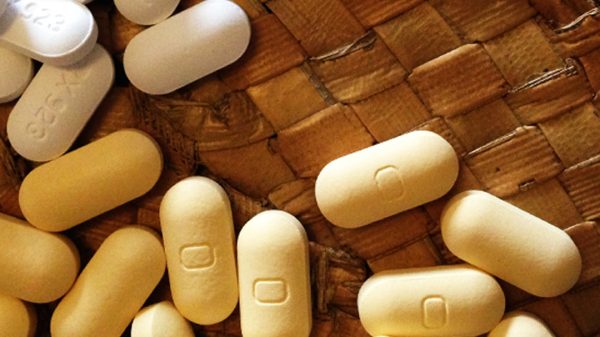
And since TB is a major and long-overlooked cause of deadly sepsis among PLHIV, an associated Phase 3 clinical trial called the ATLAS study found that starting tuberculosis (TB) treatment immediately, even before a TB diagnosis is confirmed, could significantly reduce sepsis deaths among HIV patients.
The study and ATLAS trial were conducted by Tulane University and University of Virginia in collaboration with Mbarara University in Uganda and the Tanzania’s Kibong’oto Infectious Diseases Hospital, among others.
“Our analysis of the clinical trial results found that Mtb (the bacteria that causes TB) is a much more common cause of sepsis that we thought,” said Otoupalova. “Usually, anti-TB treatments are reserved for those diagnosed with TB. We found that, in African hospitals where HIV and TB are a common co-infection, patients with sepsis may benefit from being given anti-TB medications as soon as possible.”
The ATLAS trial found that immediately treating HIV-related sepsis patients with anti-TB medication caused a 23% reduction in mortality when compared to those who only received treatment after receiving a TB diagnosis. Put another way, early anti-TB treatment saved 1 in every 4 patients.
An immediate but higher dose of the same medication was not associated with a decrease in mortality.
In the follow-up study examining the outcomes of the trial, Mtb was the most common pathogen, detected in 52% of HIV-related sepsis patients.
“Previous studies have shown that TB can cause sepsis, however those studies are few, and I don’t think we realized how high the prevalence is,” Otoupalova said. “Our analysis also found that our diagnostic tools are missing a lot of TB-sepsis, which is impactful if anti-TB treatment is only given to those diagnosed with the disease.”
It’s been known that TB can be difficult to detect in children, the elderly, those with HIV and those with pulmonary TB, all cases where sputum needed for testing is more difficult to obtain. However, the researchers found that combined urine and sputum testing missed 32% of Mtb bloodstream infections.
The findings highlight the need for both earlier treatment and improved TB diagnostic tools.
“These studies underscore two things: First, we successfully intervened in TB-related sepsis, and second, we used every rapid test available and found that they just don’t detect all of the Mtb,” Otoupalova said.