



































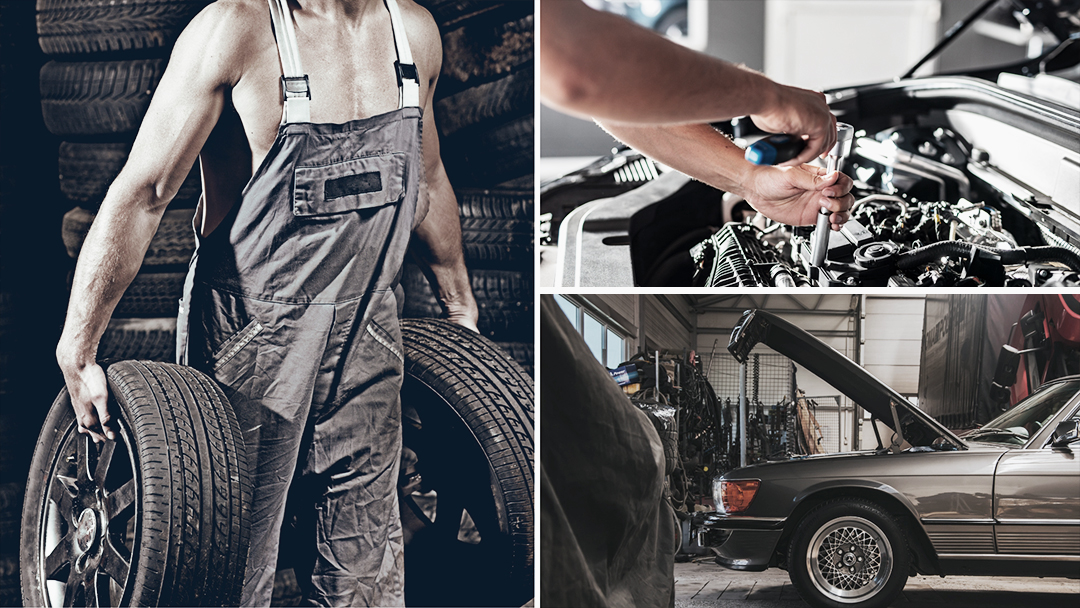
You don’t need to be a mechanical genius to keep your car running smoothly for years. It just comes down to building smart, consistent maintenance habits. When you pay attention to your vehicle and fix small issues early, you can avoid expensive repairs, drive safer, and make your car last a lot longer.
Understanding Your Owner’s Manual
Your car’s owner’s manual is the most important tool you have. People often leave it collecting dust in the glove compartment, but it’s full of information made just for your car’s specific make and model. This guide tells you the manufacturer’s recommended service schedule, showing you exactly when to check or replace fluids, filters, and other key parts.
Beyond the service times, your manual also tells you the exact type of oil, coolant, and transmission fluid your car needs. Using the wrong product can make your car perform poorly or even damage it. It also gives you important information about the correct tire pressure, which affects how much gas you use, how long your tires last, and how your car handles. Get into the habit of checking the manual first for any questions about your car’s basic needs.
The Importance of Regular Oil Changes
Engine oil is vital for your car. It lubricates moving parts, reduces friction, absorbs heat, and cleans away sludge and other harmful particles. Over time, oil breaks down and becomes less effective. Changing your oil regularly is one of the most important things you can do for your engine. While the old “3,000-mile” rule isn’t true for many modern cars, you should follow the interval recommended in your owner’s manual.
There are several things to know about oil changes that can help you make good choices, like understanding the difference between conventional and synthetic oils. The benefits of frequent oil changes include better engine performance, improved gas mileage, and a longer life for your vehicle. Skipping this simple service can lead to major engine damage later on.
Spotting Early Warning Signs
You know your car better than anyone. Paying attention to how it looks, sounds, and feels when you drive it every day is a great way to spot problems. A new or unusual noise, vibration, or smell is often the first sign that something is wrong. Don’t ignore a squealing sound when you brake, a slight pull in the steering, or a “check engine” light on the dashboard. Catching these problems early can mean the difference between a simple fix and a major repair. If you notice any of these signs, it’s smart to talk with reputable auto mechanics before a small issue gets bigger.
Why Professional Diagnostics Matter
While your senses can tell you there’s a problem, a professional technician can figure out the exact cause. Modern cars have complex computer systems that monitor everything from engine performance to emissions. When something goes wrong, these systems create specific diagnostic trouble codes (DTCs). A mechanic uses a special scanner to read these codes, which helps them find the root of the problem. This technology removes the guesswork, making sure you only pay for the repairs you actually need and getting you back on the road faster.
Beyond Routine Service
Good car care isn’t just about oil changes and engine checks. Other parts need regular attention to keep your car safe and dependable.
Check your tires regularly for the right inflation, even wear, and enough tread. Rotate them as your owner’s manual suggests to make sure they wear evenly. Functional wiper blades and lights are crucial for seeing and being seen. Replace blades that are cracked or leave streaks, and periodically walk around your car to confirm all headlights, taillights, and turn signals are working. Under the hood, rubber belts and hoses can wear out over time. A quick visual check for cracks or bulges can help you spot a potential failure before it leaves you stranded. Washing your car regularly, especially the underside in winter, helps prevent rust and corrosion. Keeping the inside clean stops upholstery and surfaces from wearing out too soon.
Taking a proactive approach to your car’s health is the best way to make sure it serves you well for many years and miles.