


















An injury can happen in a heartbeat. You’re healthy one second, and then you’re not. Some injuries are far more serious than others; they might be life-threatening, or you might never fully recover. This can be absolutely devastating, especially if you’re used to being active. But an injury doesn’t have to mean your life is over.
Here are a few ways to rebuild your life after a serious injury and, whether you’re likely to fully recover or not, to still have a great quality of life.
Immediate Recovery
It can’t be stressed too much how important the immediate medical attention you receive is. Time can make the difference between a good prognosis and a full recovery, and being left with a permanent disability. In some cases, it’s a good idea to seek medical attention even if you seem okay, especially if you have a potential head injury.
You should also take someone with you when you get medical attention. Unfortunately, ethical violations in healthcare settings can affect the quality of your care, and people who are alone are more likely to get ignored without someone to stand up for them. There’s also the fact that going to the hospital is scary, and a friend or loved one can help you deal with the long wait times and uncertainty.
Building Up Strength
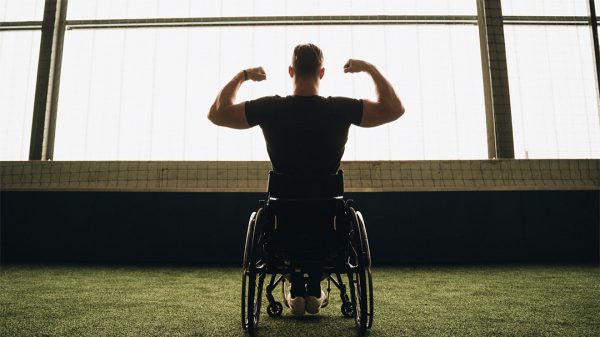
As well as the immediate medical attention you receive, you should also remain focused on your recovery. An injury doesn’t mean you should stop exercising at all. In fact, regular exercise can speed up your recovery, as long as you don’t overwork your injured body part. Even if you end up with a permanent or long-term disability, you can focus on other body parts to adjust.
Physical therapy is designed to help you rebuild strength and functionality after you’ve been injured. While it’s uncomfortable and can be difficult, it’s worth it to increase the chances of recovery.
Managing Mental Health
A physical injury impacts your life in more ways than just causing physical pain and making your body less functional. It can also massively affect your mental health.
Studies have shown that physical injuries are linked with mental health disorders, such as depression or anxiety. Events that cause physical trauma can be emotionally traumatic as well, leaving people with anxiety disorders. People who have chronic pain are more likely to develop depression.
So don’t neglect your mental health when trying to recover, as it impacts how much you enjoy life and can even affect your recovery.
Normal Life and Socialization
One of the best ways to improve your mental health is to get back to normal life as soon as possible. While you might not be able to do everything you’re used to doing, you can still get together with friends and family.
You can go out for drinks or for a meal on the weekend, go to concerts and shows, and even take up certain sports and keep fit. All of this keeps your social life busy and helps you to enjoy your life as you should do.