































People with emotional insecurities are more affected than others when their partners choose their phone over them.
This is according to a study – “Attachment, Perceived Partner Phubbing, and Retaliation: A Daily Diary Study” by Katherine B. Carnelley, Claire M. Hart, Laura M. Vowels, and Tessa Thejas Thomas – that appeared in the Journal of Personality.
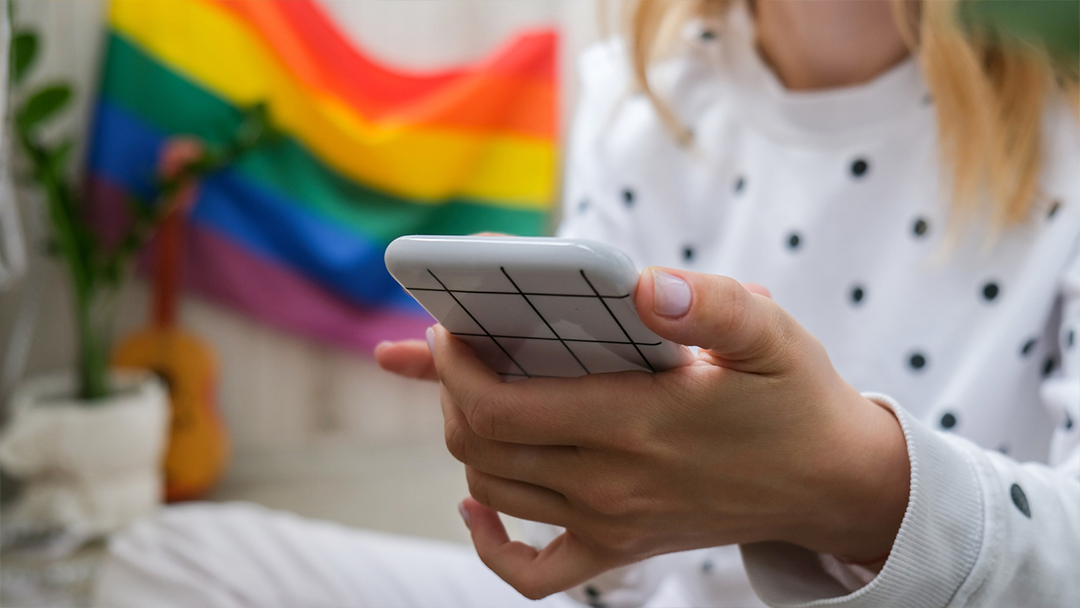
In this study, the researchers looked into ‘phubbing’ – a mashup of ‘phone’ and ‘snubbing’ used to describe the all too familiar scenario where the person you are talking to shuns you to look at their phone. The team wanted to find out how people with different ways of thinking and feeling about their relationship would respond to being ‘phubbed’.
Hart, coauthor of the study, said: “We know that everyone finds phubbing frustrating and annoying. It might seem trivial, but in relationships these small moments can mount up, creating a sense that your partner’s attention is elsewhere and that you’re less valued.
“For people who are already sensitive to signs of rejection, this impact can be magnified, leading to cycles of conflict and withdrawal.”
The researchers were particularly interested in those with high attachment anxiety – people who fear abandonment and crave reassurance, and those with high attachment avoidance – people who are uncomfortable with closeness.
They asked 196 adults in relationships to complete a ten-day diary, detailing how often their partner had phubbed them, how they felt, how they responded and their reasons for retaliating – picking up their own phone as a tit-for-tat response.
The diaries showed that people with high attachment anxiety reacted more strongly than people who are more secure. They reported higher depressed mood, lower self-esteem and greater resentment on the days they had been phubbed.
They were also more likely to pick up their own phones in response to get support and approval from others.
Carnelley, coauthor of the study, said: “We found that people with high attachment anxiety retaliated as a way of seeking connection from others when their partner seemed unavailable to them. They also posted or messaged to get validation from others.
“While this kind of retaliation might offer immediate comfort, it may lead to a downward spiral of poor interactions.”
Those with high attachment avoidance were somewhat ‘immune’ in terms of the impact on their well-being. They were less likely to confront their partner about their phone use, and when they retaliated in kind, it was often to seek approval rather than connection.
The researchers said that choosing to be present with your partner matters more than you might think.
Hart said: “Being accused of phubbing doesn’t mean you’re a bad partner, but there are some simple steps that can help protect our relationships. Creating phone-free zones at mealtimes or before bed and discussing phone boundaries openly can help both partners feel respected. If you must check your phone, acknowledge the interruption, explain why and return your attention quickly.
“Simply put, put down your phone to pick up your relationship.”