





















Gender biases around male and female roles and under-representation of female characters appeared in textbooks from around the world, with male-coded words appearing twice as often as female-coded words on average.
This is according to a study — “Sexist textbooks: Automated analysis of gender bias in 1,255 books from 34 countries” by Lee Crawfurd,Christelle Saintis-Miller and Rory Todd — published in the open-access journal PLOS ONE.
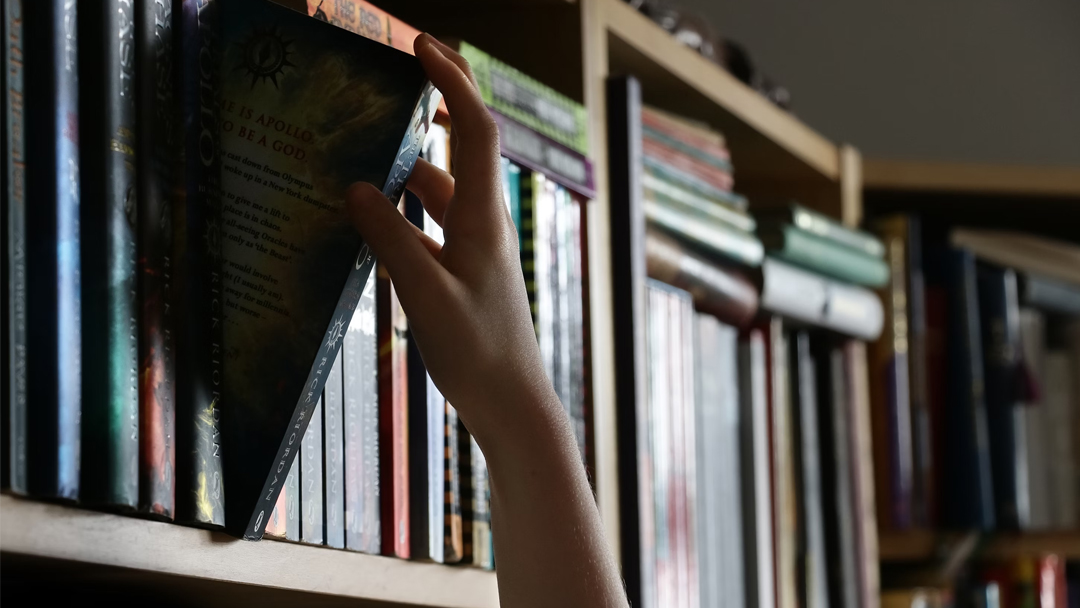
School textbooks play an important role in shaping norms and attitudes in students — one reason why controversy over textbook content is high in many countries today. In this study, Crawfurd and colleagues investigated how gender norms are depicted in textbooks around the world.
The authors used a particularly large corpus of textbooks to conduct their analysis: 1,255 publicly available online English-language school textbooks spanning subjects and grade levels from grades 4-13 from 34 countries downloaded over 2020-2022. They compared textbook content with predefined lists of gendered nouns and pronouns (e.g. “Auntie/she/her/woman”) and investigated how often these gendered words were associated with key words used in previous studies relating to achievement, appearance, family, home, and work (e.g. “powerful/gorgeous/household/executive”) within the textbook. Finally, the authors compared their text analysis results with other measures of gender equality at the country level.
The researchers found that on average across the full sample of textbooks, there were more than twice as many occurrences of male words (178,142) as female words (82,113), though there was considerable variation between countries. After adjusting for book length, grade, and subject, the countries with the lowest representation of women and girls were Afghanistan, Pakistan, Sri Lanka, and South Sudan, where fewer than 1 in 3 gendered words were female.
Across all countries, the adjectives most likely to describe only female and not male characters included “married”, “beautiful”, “aged”, and “quiet”. Verbs for only female characters included “bake”, “cook,” and “sang”. The adjectives most likely to describe male and not female characters included “powerful”, “rich”, “wise”, “certain”, and “unable”. Verbs for only male characters included “rule”, “guide”, “sign”, and “order”.
Almost all of the individual achievement- and work-themed words showed a stronger association with male words than female words, and the individual appearance- and home-themed words showed a stronger association with female words than male words. The authors note that countries with textbooks containing a greater number of female characters also had stronger GDPs and more legal rights for women compared to countries with less female representation, though this is only correlation and cannot speak to causation.
For the researchers, the findings “reveal a troubling reality: school books are perpetuating outdated gender stereotypes. Schools should broaden horizons not limit children’s potential. It’s crucial for policymakers and educators to address these disparities.”