








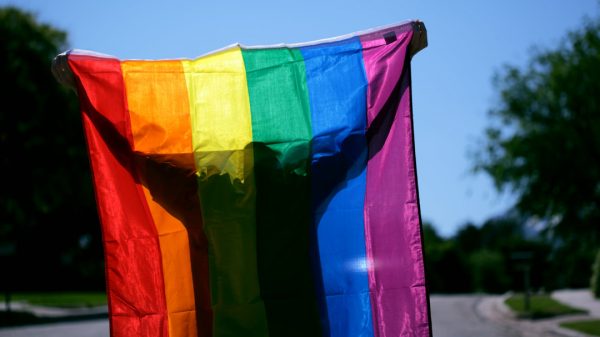









Rainbow cometh.
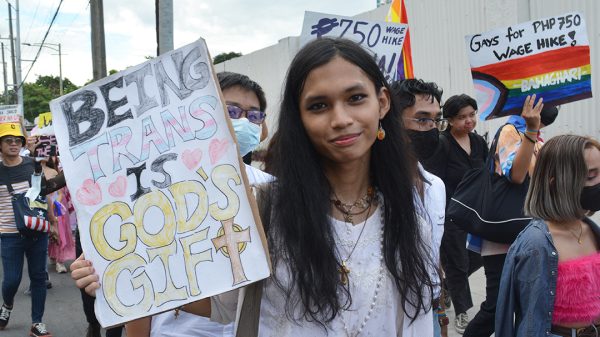
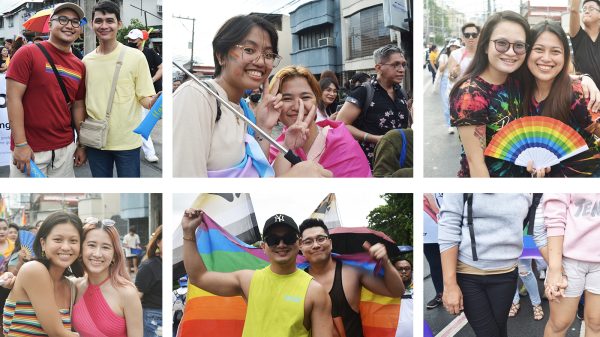
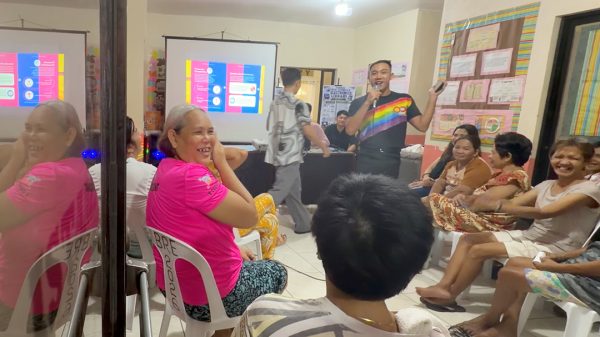
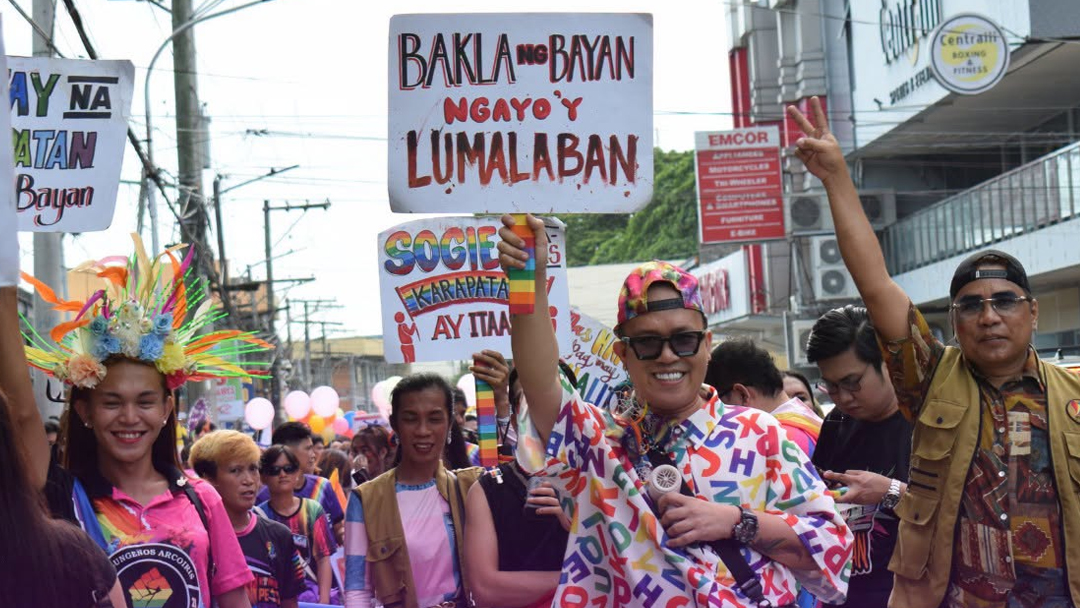
Zamboanga City hosted Pride via Marche de Orgullo 2026, a parade organized by the City Gender and Development Services in partnership with MUJER-LGBT Organization, Inc.
The annual event – which brought together members of the LGBTQIA+ community, government agencies, civil society organizations, educational institutions, private groups, and allies – was said to “serve as an important platform for raising awareness about LGBTQIA+ rights and issues while encouraging greater understanding and acceptance within the community.”
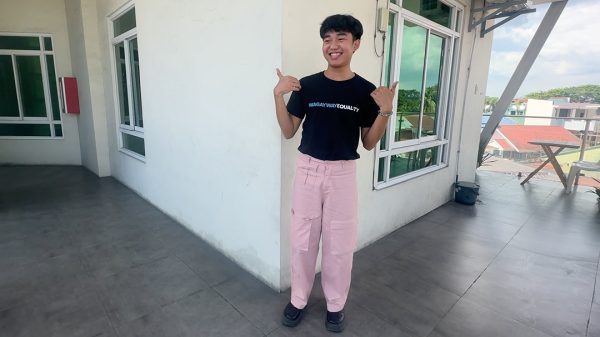
According to Mx Toni Gee Fernandez, president and executive director of Zamboanga City-based Mujer-LGBT Organization, Inc., “Pride is not a festival that celebrates a victory already won. Pride is a political statement. It is a reminder that our dignity is not up for debate, that our rights are not special rights, and that equality cannot remain a promise on paper.”
Every year, she said, “people ask the same question: Why do we still need Pride? Because discrimination did not end when the rainbow became popular. Because there are still LGBTQIA+ people who lose opportunities because of who they are. There are still young people forced to hide their identity at home. There are still trans people whose existence is debated instead of respected. There are still communities without legal protection, and there are still voices trying to erase us from public life.”
For the City Gender and Development Services, the event also “underscored the growing visibility of the LGBTQIA+ community and the increasing support for inclusivity in Zamboanga City… a reflection of the city’s continuing commitment to fostering a culture of respect, diversity, and equal opportunities for all, regardless of sexual orientation, gender identity, or expression.”
But for Fernandez, “we march because visibility alone is not justice. We march because representation without protection is not enough. We march because silence has never protected our community. As long as even one LGBTQIA+ person is denied safety, opportunity, or equal treatment because of their identity, Pride will remain necessary. Not because we enjoy protesting. But because we refuse to surrender the rights, dignity, and future of our community.”