





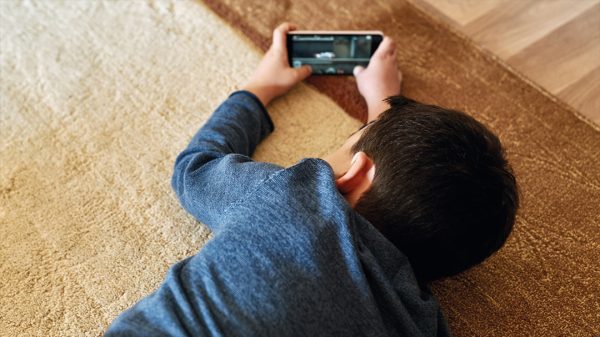


























Regardless of if your children are coloring on apps, playing educational games or watching shows, they might be spending too much time looking at screens.
More time spent looking at screens means less time playing outside. Kids see endless benefits from playing outside, which helps them to develop healthy cognitive, social, emotional and physical skills.
Read on to discover how to limit your kids’ screen time.
Converse, Then Make a Plan
It’s important to have conversations with kids about the impact of high levels of screentime and come up with strategies collaboratively to ensure they’re able to regulate their usage. After all, when kids are glued to screens, it can limit opportunities to connect to others face-to-face and engage in unstructured, creative playtime.
Not to mention overreliance on digital stimulation can impact your child’s attention span, ability to emotionally regulate, and more. Even worse, too much time on the internet can be dangerous, since predators often use platforms such as Roblox or Discord to groom children.
This is why you need to set expectations. Talk about screen-time limits as well as why spending time outside is important. It may be difficult for your kids to adjust to a new routine of spending less time looking at screens if they spent a ton of time watching screens.
Set realistic, small goals at first, like reducing time spent watching screens for one hour at first, then building that up gradually. Since kids of different ages have different hobbies, talk to them about why screen time is being reduced and introduce them to new activities they can enjoy outdoors.
Use Tools
These tools may include time limits on devices or apps which automatically shut down after a certain amount of time, or using timers which tell kids how much time is remaining.
It could be a basket where all members of the family drop phones into at dinner time.
When it’s possible, give options which help transition between activities. Once screen time is over, is it time for setting the table? Playing in the backyard? A snack break?
It’s easier to set down screens when you know some options for what comes next.
Don’t Have Screens in the Kids’ Rooms
Children who have computers, tablets or TVs in their rooms may isolate themselves with devices rather than spending time in the house’s communal areas. This can make it hard to supervise screen time, leading to habits such as not engaging with their friends outdoors, or not spending any time with the family.
Screens in bedrooms can also end up leading to sleep problems.
Come up with a List of Alternate Things to Do
If your children are too dependent upon digital devices, they may require help finding ways they can fill time and entertain themselves.
Work with your kids to come up with a list of things they enjoy which don’t involve screen time.
These activities may include baking, reading books, playing outside, going on bike rides or walks, board games, playing with siblings or pets, arts and crafts or anything which stimulates a social connection, the mind or the body.