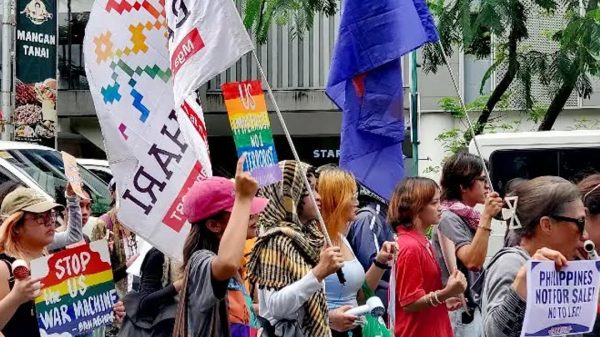

















Lesbian, gay, bisexual, and queer college students distressed by harassment targeting their sexuality are at a higher risk for alcohol use, especially if they are of immigrant origin.
This is among the findings of a study that examined the links between heterosexist discrimination, anxiety, and drinking among LGBQ+ college students. The study — “Anxiety coping motives moderate links between discrimination and alcohol use in immigrant-origin and non-immigrant LGBQ+ college students” by C. A. Delbasso, C. A. Mujica, S. Amaya, K. Mullican, N. K. Salamanca, R. M. Leone, L. Orchowski, K. Davis, D. Kaysen, A. K. Gilmore, and C. López — appeared in Alcohol Clinical & Experimental Research.
The researchers noted that both sexual and racial minorities are known to face greater alcohol-related risks than their heterosexual or White peers. Past studies have linked adverse health outcomes, including drinking behaviors such as using alcohol to cope, with anxiety generated by discrimination.
However, “little is known… about the impact of multiple overlapping forms of discrimination — intersectional stressors — on alcohol risk. Theories and previous research suggest that alcohol risk may be amplified among LGBQ+ college students who are immigrants or U.S.-born to immigrant parents (‘immigrant origin’).”
For this study, the researchers surveyed 691 LGBQ+ college students aged 18–25, of whom 177 (26%) were of immigrant origin. They used statistical analysis to explore associations between participants’ distress about heterosexist discrimination, anxiety, coping as a drinking motive, immigrant origin status, and alcohol use.
Key findings included:
- Drinking to cope with anxiety was reported by LGBQ+ students of both immigrant and non-immigrant origin.
- LGBQ+ students of immigrant origin reported drinking less than their non-immigrant peers. Distress resulting from discrimination (name-calling, threats, or other harassment) was a stronger predictor of increased drinking among LGBQ+ students of immigrant origin than non-immigrants.
- A stronger motivation to drink as a response to anxiety was connected to a greater risk of alcohol use.
According to the researchers, “college students in emerging adulthood with intersecting marginalized identities may be especially vulnerable to using alcohol as a coping mechanism.”
While heterosexist discrimination affects LGBQ+ students generally and is linked to drinking behaviors, “it may be particularly impactful for those of immigrant origin.”
The researchers recommended interventions that identify minority stressors and promote healthier responses to anxiety, such as emotional regulation and problem solving, for sexually minoritized students, in addition to culturally appropriate supports.