

























Pre-exposure prophylaxis (PrEP) is widely accepted as an effective strategy to prevent HIV. However, low uptake of daily oral PrEP since US Food and Drug Administration approval and low medication adherence among users have stimulated the investigation of other modalities for delivery, such as injectable PrEP and on-demand PrEP.
A study – titled “Acceptability of Injectable and On-Demand Pre-Exposure Prophylaxis Among an Online Sample of Young Men Who Have Sex with Men in California”, written by Matthew R. Beymer, Jennifer L. Gildner, Ian W. Holloway and Raphael J. Landovitz – attempted to determine the demographic and behavioral predictors of willingness to try alternative PrEP delivery mechanisms among young men who have sex with men (YMSM) who stated that they were unwilling to try daily oral PrEP.
The study particularly recruited 265 YMSM in California through geosocial networking applications; and then analyzed a subsample who stated that they were either ambivalent about trying or unwilling to try daily oral PrEP. The researchers used chi-square and Fisher’s exact tests to determine characteristics associated with willingness to try injectable PrEP, willingness to try on-demand PrEP, and willingness to try either alternative form.
The study found that for individuals who stated that they would not be willing to try daily oral PrEP, ∼85% were willing to try on-demand and/or injectable PrEP. Individuals who reported some college or more reported greater willingness to try injectable PrEP (adjusted odds ratio [aOR]: 2.92; 95% confidence interval [CI]: 1.32–6.46), on-demand PrEP (aOR: 2.28; 95% CI: 1.06–4.90), or either method (aOR: 5.54; 95% CI: 1.78–17.22).
According to the researchers, “future research should determine how to enhance uptake of emerging forms of PrEP among the individuals most at risk for HIV.”
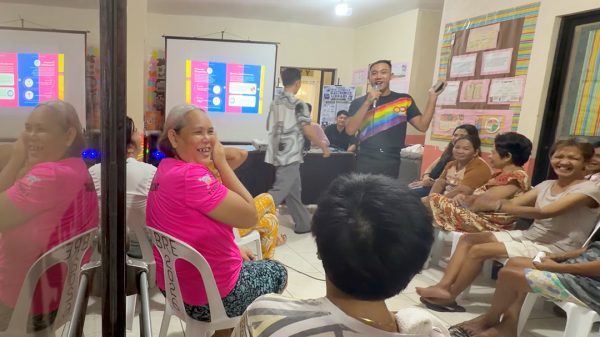
It is worth noting that – while other countries are already discussing alternative PrEP forms – countries like the Philippines continue to have limited access to PrEP. With this, it remains a (sadly) very elitist approach to deal with HIV, with only those who have contacts to pilot project implementers able to access the same.