









By Shannia Cabuello
& Jane Andes
Writer and director Rafaela Abucejo believes that genuine queer representation in films goes beyond simply showcasing characters of different genders. For her, it’s crucial to focus on the authenticity and depth of their stories.
“It’s not about their gender siguro. It’s more about the story that they are willing to be a part of.”
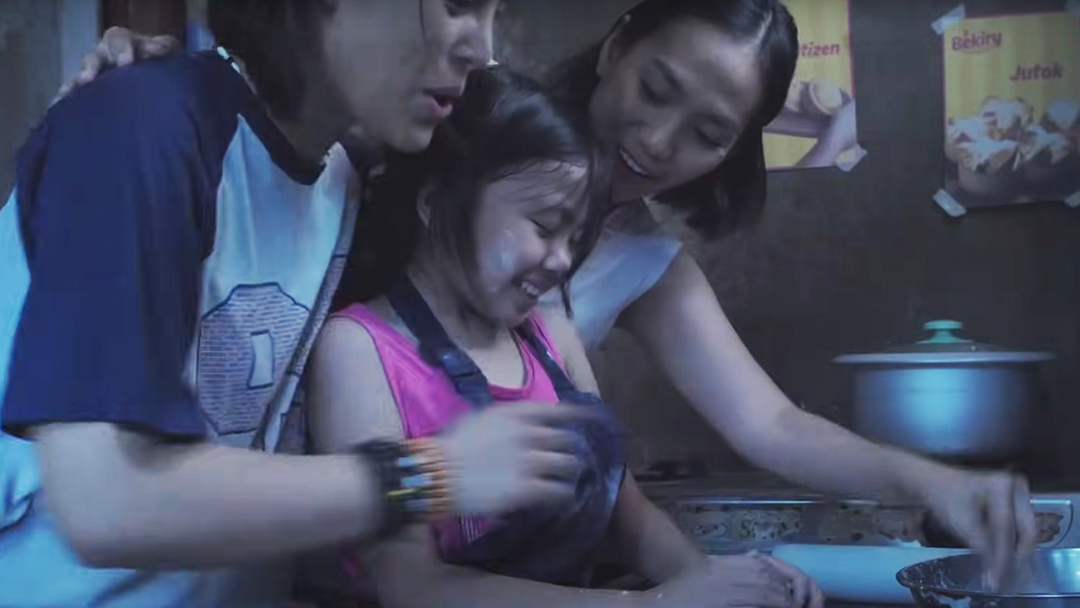
And this is her frame of mind when she developed Saan Ako Pinaglihi?, a short film that tells the story of a young girl named Chinky, who lives with her two lesbian moms.
What it’s about
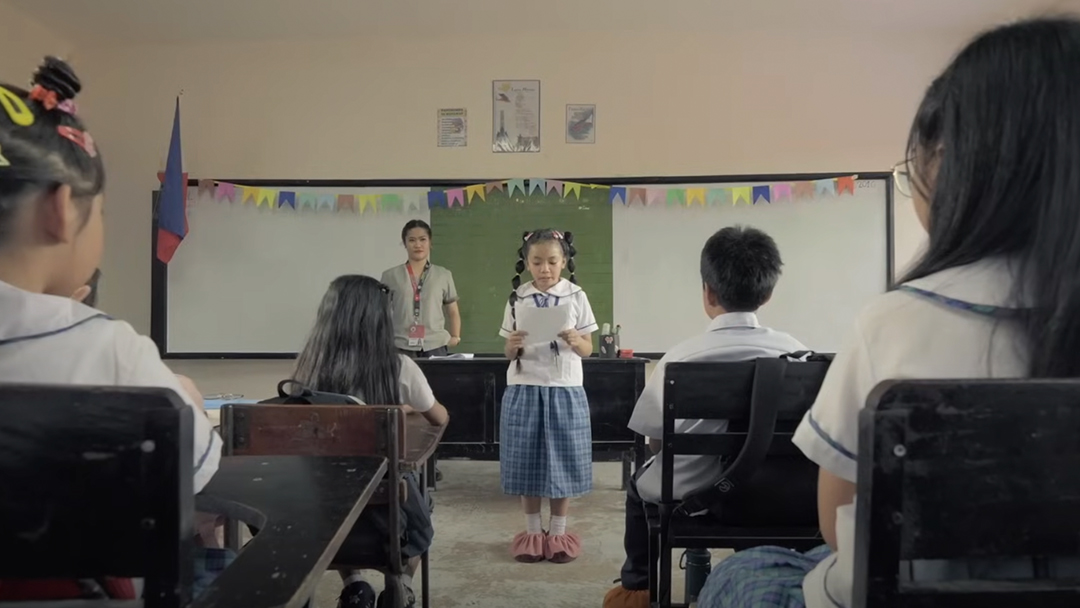
Saan Ako Pinaglihi? is the story of Chinky, a girl who’s curious about how she was conceived, and the film explores this question through the lens of Filipino culture. The story incorporates the concept of “paglilihi,” a Filipino belief that what a pregnant woman craves can influence the traits of her child.
The film was brought to life by a dedicated team of creators. It was written and directed by Abucejo, with Sean Romero and Pola Basaya as co-writers. The production was led by Joshua de Vera from SBSG Pictures. ‘Saan Ako Pinaglihi?’ was featured in the Student Short Film Category at the Puregold CinePanalo Film Festival, where it received the Audience Choice Award—a testament to its impact and popularity.
Simplifying SOGIESC
According to Abucejo, the inspiration for the film came from her desire to create a children’s book that would make complex concepts like sexual orientation, gender identity and expression, and sex characteristics (SOGIESC) more understandable for young people.
“(I) wanted to make these important ideas accessible and less intimidating for children who might be struggling with similar questions.”
The process of making Saan Ako Pinaglihi? was collaborative, as the team put in “countless hours to ensure that every aspect of the film was executed with precision and care. From writing the script to directing the scenes and handling the production, everyone involved was committed to creating a film that would resonate with audiences and offer a meaningful representation of queer experiences.”
Genuine queer representation
In the end, though, it’s about representation, said Abucejo.
For Abucejo, queer representation should accurately capture the real-life challenges and joys of LGBTQIA+ individuals. So she wants films to represent queer people in a way that feels genuine and relatable.
“It’s important… that audiences can see the full range of queer experiences, not just the stereotypes or surface-level portrayals.”
But Abucejo is optimistic about the evolution of queer cinema in the Philippines, even as she hopes that stories about queer families will become more normal, prevalent, and accepted. The vision, she says, “is to showcase queer families as loving and nurturing units, just like any other family.”
As she put it, “We want audiences to experience the love, safety, and warmth of a queer family.”
Abucejo believes that by presenting these stories, films can help promote greater acceptance and understanding of queer individuals in society.
Cinema as queer space
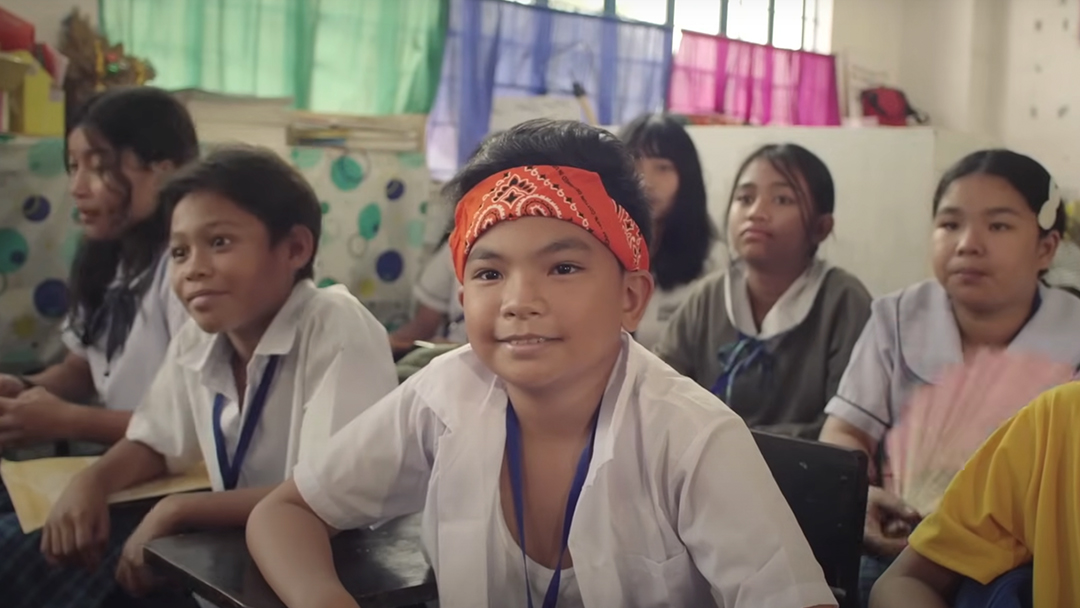
Abucejo knows that Saan ako pinaglihi? is just one of the films that hopes to make queer stories a natural and integral part of Philippine cinema, particularly as it “hopes to challenge prejudices and encourage viewers to see queer people as full and complex individuals, deserving of the same respect and recognition as anyone else.”
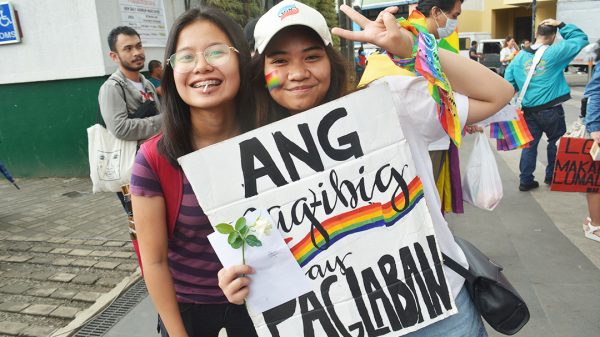
According to Abucejo, listening to queer individuals and making their experiences part of the conversation through queer films is just a part of creating a place where freedom to love and express is present. The urge to provide a genuine queer representation in the media is nothing compared to their desperation to pass the SOGIE Equality bill.
“Makakamit naman ito ‘pag patuloy tayong sumusuporta sa mga kwento ng persons of diverse SOGIESC,” she added.
Abucejo hopes that through her work, more people will feel inspired to embrace and celebrate queer stories, as she dreams of a future where queer people are seen more than just their gender, but as people who are full of love because they are made from it.
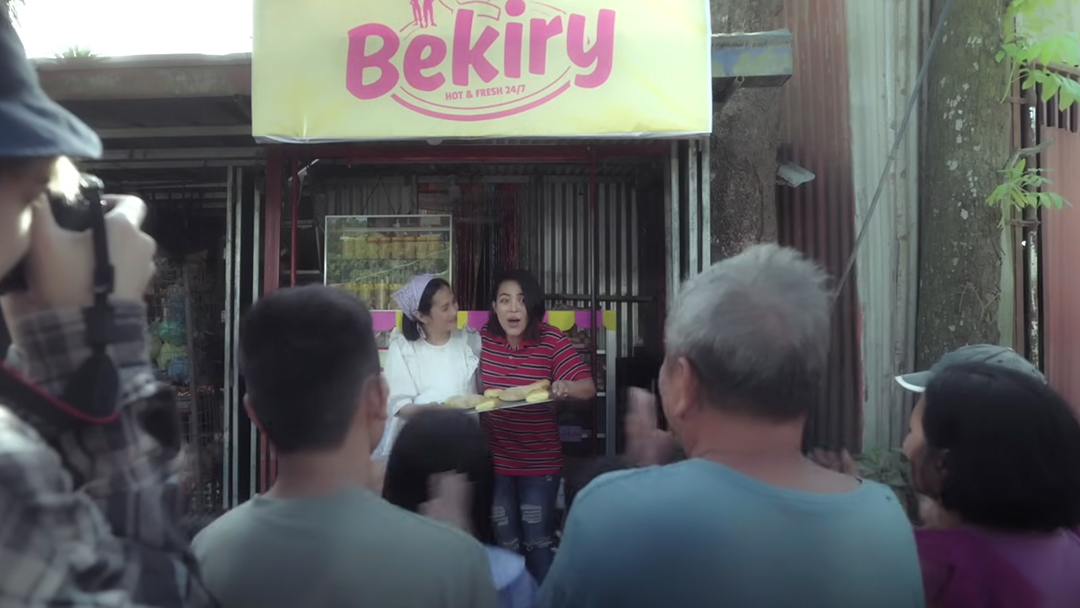
As one of the lines in the film says, “Gawa ako sa pandesal kasi gawa ako sa pagmamahal.”