








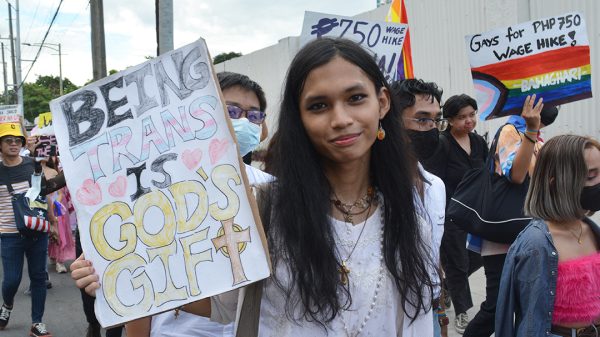




















People of color who are also part of sexual and gender minority groups face unique challenges shaped by overlapping forms of discrimination. But affirming one’s identity can be a source of psychological strength, not just a vulnerability.
This is according to a study – “Understanding sexual and gender diverse people of color identity affirmation as a form of resistance: Implications for a resistance–resilience model” by Joshua G. Parmenter and Aldo Barrita – that was published in the American Psychologist.
Using a national sample of 418 sexual and gender diverse people of color, the study focused on two key dimensions of identity affirmation, including identity cohesion and identity-based growth.
Identity cohesion is the feeling that the different aspects of who you are fit together in a meaningful way. Identity-based growth, by contrast, reflects the process of developing a deeper understanding of oneself through navigating experiences of marginalization.
The researchers found that both identity cohesion and identity-based growth are positively associated with resilience and were negatively associated with depressive symptoms. This suggests that the stronger cohesion one has with their intersectional identities, the more protected they will be in coping with adversity.
“These findings challenge the tendency in research to focus on risk and harm when examining the experiences of marginalized communities,” said Barrita, co-lead author of the study. “These findings suggest that identity itself can be a source of protection and empowerment. It functions as an active form of resistance against systemic oppression.”
While identity-based growth also supported resilience, the findings also showed an unexpected direct association with higher depressive symptoms.
“There is significant emotional labor that comes with developing one’s sense of self under conditions of systemic discrimination,” said Barrita. “The burden of resilience should not fall on marginalized individuals alone. This study shows that growing through oppression does come with a cost.”
The findings carry practical implications for clinicians and community organizations.
By creating affirming spaces where sexual and gender diverse people of color can explore and celebrate their identities and by developing therapeutic approaches that target identity cohesion and identity-based growth, clinicians and organizations can help foster resilience and strengthen the mental health of these individuals.
“Clinicians and community leaders have the opportunity to help sexual and gender diverse people of color heal from oppression and replace oppressive narratives with liberating narratives of cohesion and growth and build resilience,” Barrita said.