












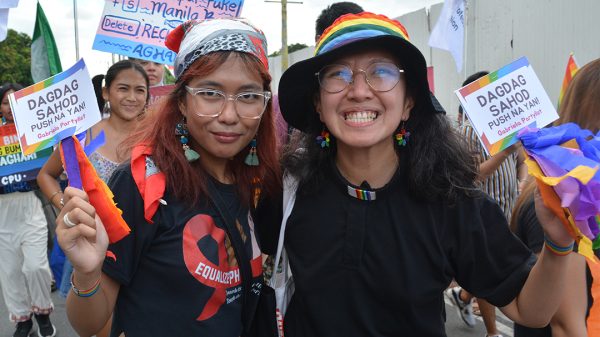




















Sexual orientation discrimination is a risk factor for substance use.
This is according to a study – “Risk Factors for Substance Use Among Sexually and Gender Diverse Latine Youth and Young Adults: A Systematic Review” by Jake Samora, Eduardo A. Yespica Mendoza, Stephen T. Russell, et al – that was published in LGBT Health.
The researchers conducted a Preferred Reporting Items for Systematic Reviews and Meta-Analyses-guided search in PubMed, PsycInfo, Web of Science,drug and MEDLINE on July 16, 2025, with the quality of articles assessed using the Appraisal tool for Cross-Sectional Studies and the Quality of Reporting of Observational Longitudinal Research tool.
The researchers found:
- reviewed studies indicated that depression and psychological distress were associated with substance use among SGD sexually and gender diverse (SGD) youth and young adults; and
- victimization, discrimination, and absence of social support contributed to substance use among SGD youth and young adults.
As noted, “sexual orientation discrimination was found as a risk factor for substance use”, including heavy episodic drinking and drinking-related consequences; and “racial and ethnic discrimination was also found as a substance use risk factor, with a positive association and positive interaction with sexual orientation discrimination”.
According to the researchers, supportive relationships with adults (i.e. teachers, parents) and related characteristics (e.g. parental acceptance) can help, since – as the study emphasized – “the absence of these factors was a risk factor for substance use”.
For the researchers, mental health factors contribute to substance use among sexually and gender-diverse youth, and “experiences of violence victimization, discrimination, and the absence of positive social supports contribute to elevated risk of substance use”. These, therefore, are the key points that need to be highlighted in intervention development.