











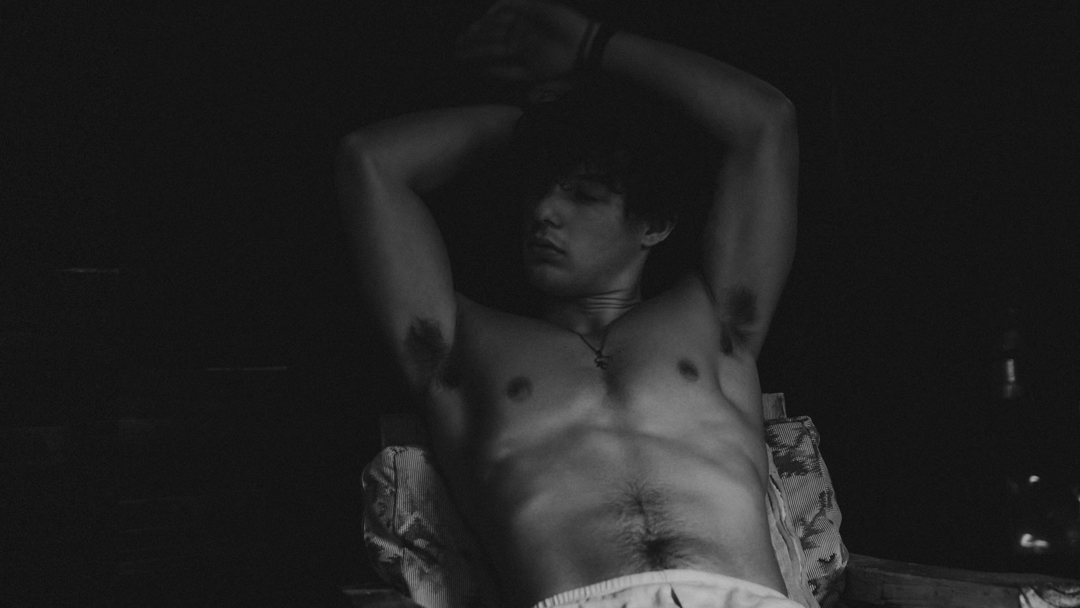
Gay dating apps are exposing men to intense pressure to look sexually desirable, fuelling body dissatisfaction and low self-esteem, with some users describing the experience as feeling like they are “selling their body” rather than forming genuine connections.
With around 350 million people using dating apps globally, and more than half (51 per cent) of lesbian, gay and bisexual adults reporting they have used one compared to 28 per cent of straight adults, researchers say gay, bisexual and other sexual minority men are among the most active and potentially vulnerable users.
The Flinders University study, published in Body Image, explores how using both gay and mainstream dating apps shapes body image and wellbeing among Australian men.
Led by PhD candidate Zac Bowman, the research finds a clear divide between platforms. Apps such as Grindr are widely perceived as spaces for casual sex where appearance dominates, while Tinder and Hinge are more often associated with dating and relationships.
“Our findings show a clear divide in how different apps shape behaviour and body image, with gay dating apps encouraging users to focus heavily on their bodies, often at the expense of their wellbeing,” says Mr Bowman from the College of Human Sciences and Culture.
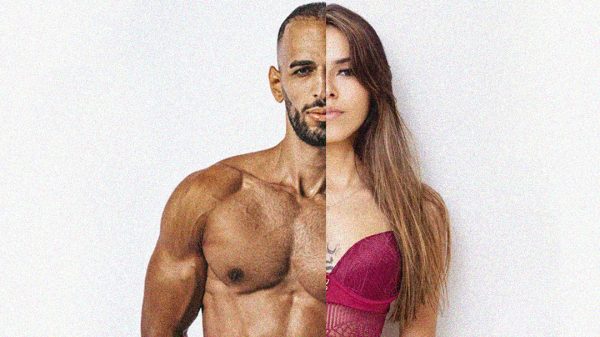
Participants report strong pressure to present themselves in highly sexualised ways on gay dating apps, often sharing revealing images and explicit personal details.
“For many men, this pressure becomes overwhelming, with some spending long periods trying to capture the ‘perfect’ image to share,” says Mr Bowman.
The study identifies key drivers behind these impacts. Men view different apps as serving distinct purposes, with gay dating apps seen as hook-up spaces and mainstream apps as relationship platforms. This, in turn, shapes how users present themselves, with more sexualised profiles common on gay apps.
At the same time, users frequently compare themselves to others, focusing heavily on physical attributes such as body shape, muscularity and overall appearance.
These comparisons are overwhelmingly upward, meaning men compare themselves to those they perceive as more attractive, contributing to negative self-talk and, in some cases, reluctance to engage with others.
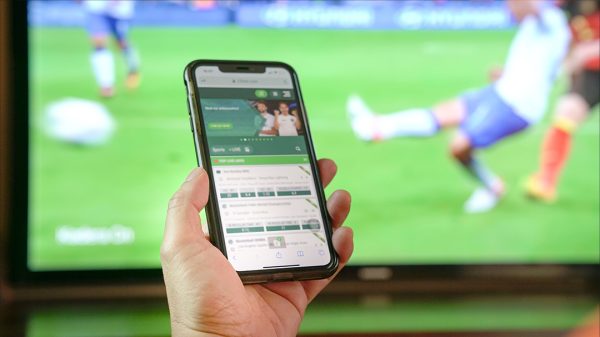
The research also highlights how app design amplifies these pressures. Features such as grid-style layouts, image sharing and filters based on body type or sexual preferences can increase appearance-based judgement and competition.
Senior author and body image expert, Professor Murray Drummond, says the findings point to a broader cultural issue within digital dating spaces.
“The combination of app design and user behaviour can create a highly sexualised environment that amplifies existing pressures faced by gay and bisexual men,” says Professor Drummond.
The study adds to growing evidence that gay and bisexual men are already at higher risk of body image concerns than heterosexual men, with dating apps potentially compounding these challenges.
Importantly, participants report these pressures are far less common on mainstream dating apps, where profiles tend to focus more on personality, interests and shared values rather than appearance alone.
“There are practical steps that could help reduce harm, and app developers can play a key role by limiting features that encourage sexual objectification and introducing safeguards around explicit content,” says Mr Bowman.
With tens of millions of people using dating apps globally, including around 15 million on Grindr alone, researchers also say users themselves have a role to play in shifting culture on these platforms.
“Promoting more meaningful conversations and reducing the focus on sexualised imagery could significantly improve user experience,” says Mr Bowman.
“We don’t want to discourage people from using these apps, but we do need to create healthier online environments that don’t come at the cost of mental health and wellbeing.”
The paper, ‘“On Grindr you’re selling body”: Sexual objectification on gay dating apps and its relationship with Australian men’s body image and wellbeing’, by Zac Bowman, Murray Drummond, Ivanka Prichard and Jasmine M. Petersen, was published in Body Image.