
































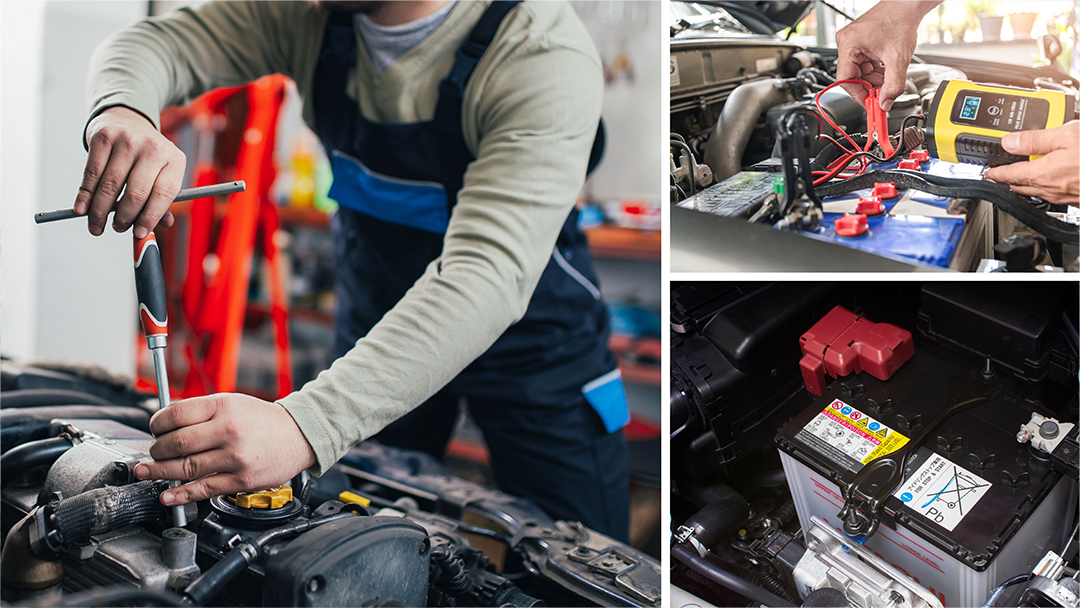
Your vehicle is one of the most significant investments you’ll make, and keeping it in top condition means more than just preserving its value. Regular, proactive maintenance is how you ensure your car stays safe, reliable, and efficient for years to come.
Ignoring small issues can quickly lead to major, expensive repairs, turning a minor inconvenience into a significant financial and logistical headache.
Why Preventative Care Matters
Think of preventative maintenance as a regular health check-up for your car. Just as you’d visit a doctor to catch health issues early, routine service appointments help identify and fix potential problems before they get worse. This proactive approach saves you money by preventing catastrophic failures, like a blown engine from old oil or a snapped belt. A well-maintained vehicle is also a safer vehicle. Properly inflated tires, responsive brakes, and clean fluids all contribute to better handling and performance, reducing your risk on the road. Following a consistent preventive maintenance schedule ensures your car remains a reliable partner for your daily commute and long-distance travels, minimizing the chance of an unexpected breakdown.
Deciphering Your Car’s Messages
Your car’s dashboard is its main way of communicating with you, using a system of lights to show what it needs. While a glowing “check engine” light is the most famous warning, it’s far from the only one you should know. Lights for low tire pressure, oil pressure, and battery charge all signal specific issues that need immediate attention. Some vehicles also feature a general master warning light, often an exclamation point inside a triangle, which lights up to draw your attention to a message on the information display. This could mean anything from a door being ajar to a more complex system fault. Never ignore these signals; they are your car’s way of asking for help before a minor problem becomes a major one.
Key Maintenance Milestones
While every car’s needs are slightly different, most follow a general timeline for essential services. Keeping a basic car maintenance checklist can help you stay on track. Here are some of the most common milestones:
- Every 5,000 to 7,500 miles: This is the typical interval for an oil change and oil filter replacement. It’s also an excellent time to have your tires rotated to promote even wear.
- Every 15,000 to 30,000 miles: At this point, you should replace the engine air filter and cabin air filter. Your technician may also recommend inspecting the battery and coolant.
- Every 30,000 to 60,000 miles: This is often when brake pads and rotors may need inspection or replacement, depending on your driving habits. It’s also a good time to replace spark plugs and inspect belts and hoses for wear.
Always check your owner’s manual for the specific recommendations for your make and model, as these intervals can vary.
Finding a Reliable Service Center
The quality of your car’s care depends heavily on the technician doing the work. Finding a trustworthy service center is crucial. Start by looking for shops with technicians certified by the National Institute for Automotive Service Excellence (ASE). This certification shows they meet high standards of knowledge and competence. Ask friends, family, and coworkers for recommendations, as personal experience is often a reliable indicator of quality. Before authorizing any work, always ask for a detailed, written estimate that breaks down the costs of parts and labor. A reputable shop will be transparent about pricing and will take the time to explain the necessary repairs.
Taking an active role in your car’s maintenance is one of the best things you can do as an owner. By understanding its needs and addressing them proactively, you ensure your vehicle remains a dependable and safe part of your life for the long haul.