




























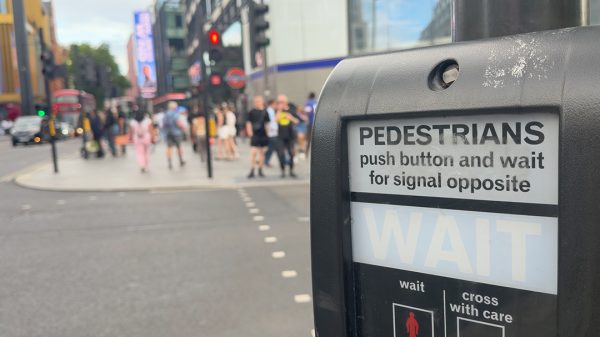


Cities are like living museums, always changing but holding onto their past. They’re vibrant tapestries woven from history, art, food, and the diverse people who call them home. Exploring urban culture means more than just sightseeing; it’s about diving into a place’s energy and finding the unique rhythm that makes each city tick. From the towering architecture to the street art hidden in plain sight, a city’s culture invites you to connect, learn, and get inspired.
History in Every Corner
Every city has a story etched into its streets, buildings, and public squares. While museums offer curated exhibits, the city itself is an open-air gallery of its own history. You can uncover these stories by simply walking through different neighborhoods and paying attention to what’s around you. Look for historical markers on old buildings, read the plaques on public statues, or join a walking tour focused on a specific era or community.
Many cities have preserved historic districts to keep the architectural character of a bygone era. Strolling through these areas feels like stepping back in time. You can see history layered in the cobblestone streets, the building designs, and the block layouts, much like the conceptual history of culture can be traced through different eras. This is where you’ll find the city’s soul, far from the polished tourist centers. These explorations help you understand how a city was built and the people who shaped it.
Artistic Expressions Abound
Art is the lifeblood of urban culture, found everywhere from world-renowned concert halls to the murals that color forgotten alleyways. You can feel a city’s creative pulse in its independent galleries, bustling theater districts, and live music venues. These spots are hubs for expression and community, offering a look into the contemporary issues and aesthetics that define a place. Exploring urban encounters with public art can turn a simple walk into an inspiring experience.
Planning a trip around the arts is a fantastic way to engage with a city’s culture. For a visit to a cultural hub like New York City, choosing the right place to stay makes a big difference. The Carnegie Hotel offers travelers a convenient base for experiencing the city’s theaters, concert halls, and galleries. Being able to walk from your hotel to a Broadway show or a concert hall makes the whole experience smoother and more immersive.
Where to Unwind and Reflect
A city’s constant energy can be exhilarating, but it’s also important to find moments of peace. Every major metropolis has its own calm spots where you can unwind and reflect. Urban parks, botanical gardens, and waterfront promenades offer a welcome break from the noise and crowds. These green spaces are the city’s lungs, providing places for recreation, relaxation, and community gatherings.
Also look for smaller, hidden spots. A quiet courtyard cafe, a public library with beautiful reading rooms, or a bench overlooking a river can be the perfect place to recharge. Taking time to slow down lets you process your experiences and observe the city from a different angle. These quiet moments are just as much a part of the urban experience as the busy main streets.
Culinary Journeys for Every Palate
One of the most direct ways to connect with a city’s culture is through its food. A city’s culinary scene tells a story of immigration, tradition, and innovation. You can trace these histories by exploring different neighborhoods and trying their unique offerings. From family-run restaurants in ethnic areas to bustling food truck parks, there are endless chances to taste something new. This diversity is a core part of what defines the cultures of the city.
Don’t just stick to restaurants. Visit a local farmers’ market to see what’s in season and chat with the people who grow the food. Try street food from a popular vendor with a long line of locals. Each bite connects you to the place and its people. Food is a universal language, and sharing a meal is a simple yet profound way to participate in the local culture.
Embracing Local Events
To truly feel a city’s pulse, tap into its local events. Festivals, parades, and community markets offer an authentic glimpse into what matters to the people who live there. Check local event calendars before your visit to see what’s happening. You might find a neighborhood block party, a cultural festival celebrating a specific heritage, or an outdoor concert series in a local park.
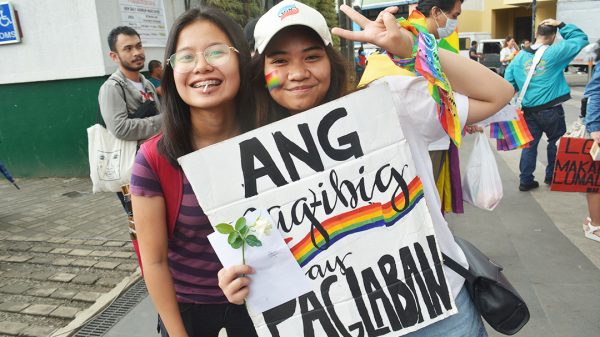
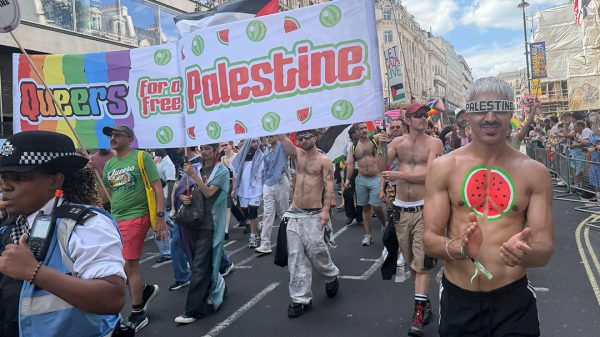
Joining these events lets you move beyond being just a tourist and become part of the community, even if just for a day. Events like Pride parades, for example, are vibrant celebrations of identity and solidarity that show a city’s inclusive spirit. Attending these gatherings is a powerful way to connect with the local community and create lasting memories.
The best way to understand a city is to walk its streets with an open mind and a curious spirit. Each corner holds a new story, a new flavor, or a new piece of art waiting to be discovered.