










This is part of #KaraniwangLGBTQIA, which Outrage Magazine officially launched on July 26, 2015 to offer vignettes of LGBTQIA+ people/living, particularly in the Philippines, to give so-called “everyday people” – in this case, the common LGBTQIA+ people – that chance to share their stories.
As Outrage Magazine editor Michael David C. Tan says: “All our stories are valid – not just the stories of the ‘big shots’. And it’s high time we start telling all our stories.”
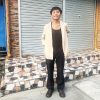
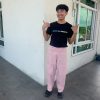
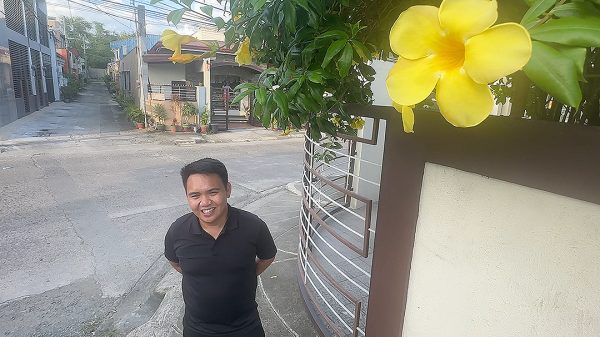
Baby pa raw si Yolanda Aldana, 63 years old, and her parents said she already preferred doing deeds stereotypically done by males. Her parents initially didn’t like it, punishing her for not being feminine.
“Until I was two years old, they used to belt me because my mom used to make me wear skirts and I removed them because I didn’t like wearing skirts,” she said in Filipino. “Until I grew up. Her serons didn’t mean much. I was told, ‘We won’t give you money for school.’ But I still grew into this.”

Moving around
Identifying as a tomboy, she originally came from Angeles City, as the 8th of nine kids. They used to move around. For instance, she studied in Masbate City in the Bicol Region, though she didn’t finish her studies.
“I studied in an agricultural school in Masbate,” she said, adding that she didn’t finish because her parents died early.
In 1994, Yolanda moved to Baclaran in Parañaque City. A lesson she said she can share is to not be choosy when making a living.
“No matter the job, I do it,” she said, adding that for 12 years, she even worked as a security guard in Subic.
She is currently unemployed; she helps one of the remaining siblings in Pampanga, living off the allowance given her. This is also helpful because Yolanda has to finance her partner.

Finding love
Yolanda believes finding love isn’t difficult for tomboys like herself.
“It’s entirely up to you if you show rude behavior. No one will like you for that,” she said. “But if you know how to mingle with others, you just find out that someone already likes you.”

Aiming for acceptance
For LGBTQIA+ people to be accepted, Yolanda believes in two things: for them to prove that they can stand on their own, and that even as LGTBQIA+ people, they remain respectful.
“If you can’t deal with your parents forcing you to change yourself, prove that you can stand on your own, learn to support yourself. And respect others,” she said.
Besides, Yolanda said, LGBTQIA+ people should learn not to give weight to the words of haters.
“I don’t mind them. I don’t ask anything from them,” she said.
And particularly for parents who still can’t accept their LGBTQIA+ children, acceptance is necessary, according to Yolanda.
“You should accept LGBTQIA+ people. You made them. Am I right? We didn’t want for this to happen,” Yolanda ended.