









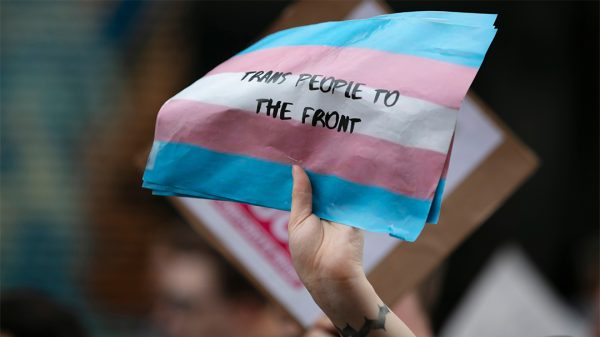














Transgender and gender-diverse adults experience more interpersonal violence.
This is according to a study – “Global Burden of Violence Against Transgender and Gender-Diverse Adults A Systematic Review and Meta-Analysis” by Cortney McLellan, Ping Teresa Yeh, Caitlin E. Kennedy, et al – that appeared in JAMA Network Open.
In this study, the researchers did a systematic review and meta-analysis of 94 studies published in 137 articles (65,608 participants). Studies were identified through PubMed, Embase, CINAHL, Cochrane Central, LILACS, PsycINFO, gray literature, and conference abstracts. Secondary searches of article references and relevant systematic reviews for articles published between January 1, 2010, and January 2, 2023, without language or geographical restrictions were performed.
More particularly, the lifetime and recent pooled prevalences of physical, sexual, and overall physical or sexual interpersonal violence against transgender and gender-diverse populations globally, as formulated prior to data collection, were estimated. Heterogeneity was assessed using I2 values and examination of 95% prediction intervals. For analyses composed of single studies, the unadjusted crude prevalence and 95% CI were presented.
The key findings included:
- Estimates from 98 articles were pooled in meta-analysis. The pooled prevalence of physical or sexual violence was 64.23% (9 studies; 95% CI, 47.38%-78.17%) for lifetime and 59.81% (2 studies; 95% CI, 11.73%-94.34%) for recent.
- The pooled prevalence of lifetime physical violence was 35.89% (45 studies; 95% CI, 28.97%-43.46%), and that of sexual violence was 32.70% (40 studies; 95% CI, 25.20%-41.20%).
For the researchers, there is no denying the high prevalence of interpersonal violence experienced globally by transgender and gender-diverse adults. Intimate partners, family, strangers, police, and incarcerated individuals were the most commonly reported perpetrators.
To deal with this, the researchers recommended:
- further research on violence against transgender and gender-diverse individuals should examine intersectional factors such as race, ethnicity, age, and individual-level socioeconomic status, as these may impact exposure to violence
- reporting of incidences since consistent reporting particularly of sociodemographic characteristics may facilitate intersectional meta-analyses in the future
- increased funding to deal with incidences
- influencing political will to bette pro-transgender responses
- in clinical settings, develop validated, bias-free, patient-reported outcome measures to monitor and address violence that is experienced within health care settings
In the end, stressed the researchers, “there is an urgent need to address violence perpetrated against transgender and gender-diverse people through implementation of evidence-based violence prevention and response strategies across settings.”