




























By Kate Montecarlo Cordova
Founder and Chairwoman
Association of Transgender People in the Philippines
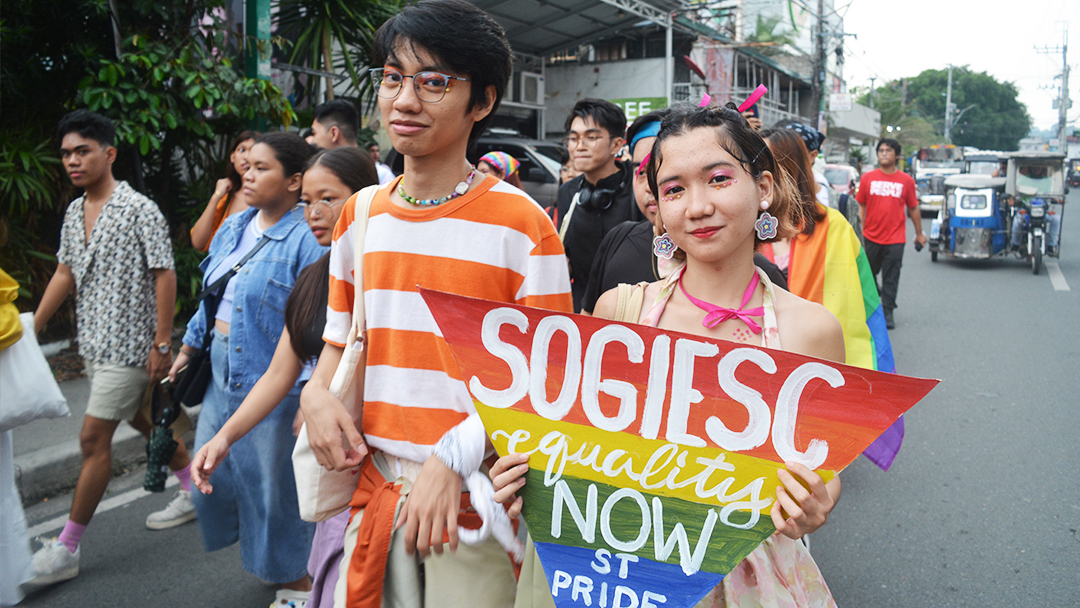
As the election season approaches, Filipinos are once again faced with a powerful responsibility: to choose leaders who reflect our values and are not afraid to stand up for what’s right. It is not just about charm or campaign jingles. It’s about track records. And the fate of the SOGIESC Equality Bill should serve as a clear reminder.
The latest version of the proposed anti-discrimination bill, the SOGIESC Equality Bill, meant to protect Filipinos from discrimination based on sexual orientation, gender identity, expression, and sex characteristics (SOGIESC), actually enjoyed overwhelming support in the House of Representatives, and was even signed by 19 senators in the committee report. And yet despite this, the bill was never brought to plenary.
That didn’t happen by accident.
It happened because key leaders in the Senate did not allow it.
The former Senate president Juan Miguel “Migz” Zubiri and Senate majority leader Joel Villanueva, both controlling the legislative agenda when they helmed the Upper House, even signed the bill, though with reservations, so they failed to prioritize it. Their refusal to schedule the bill for debate ultimately stalled its progress.
Even more vocal in opposition were former senator Manny Pacquiao and former Senate president Vicente “Tito” Sotto III, both of whom strongly objected to the bill on religious and conservative grounds.
Pacquiao, in particular, stirred outrage after calling homosexuality “worse than animals,” a statement that deeply hurt the LGBTQIA+ community. Sotto, meanwhile, repeatedly questioned the necessity of the bill and argued that existing laws were already sufficient.
Other senators, such as Villanueva, also cited religious beliefs as part of their discomfort with the bill, despite initially signing the committee report. These hesitations, coupled with political pressure and fear of backlash from religious institutions, were key factors in the bill’s quiet death.
And then came the disinformation. False claims were spread online and offline — e.g. that the bill would criminalize religious expression or pave the way for same-sex marriage. These were not only untrue, they were also strategically deceptive. If people from the opposition had valid arguments, twisted interpretations would not have existed and gone “viral”.
The effect of such efforts was clear: delay, derail, and divide.
But let’s now be reminded: the LGBTQIA+ community is no longer a minority, but it still remains legally unprotected and socially marginalized. And when lawmakers allow fear or manipulation to rule over fairness, justice is the first casualty.
This coming election, we have a duty — not just to vote, but to vote wisely. To elect candidates who are brave enough to act on their principles, who are willing to defend the rights of all, and who will not be swayed by pressure from loud sectors or powerful institutions.
We don’t need leaders who hide behind silence. We need leaders who act, speak, and fight for those whose voices have long been ignored.
The past should guide the future. Let us choose leaders who will not stand in the way of equality — but walk alongside it.