













Pride in showcase. Along with co-opting?
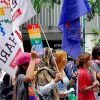
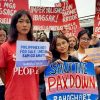
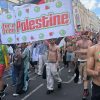
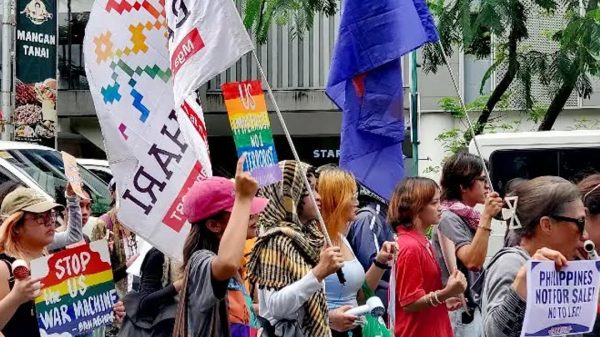
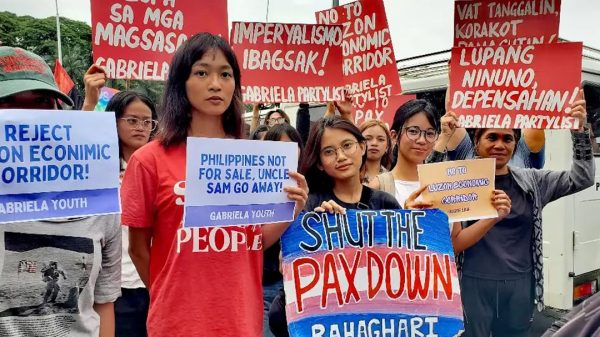
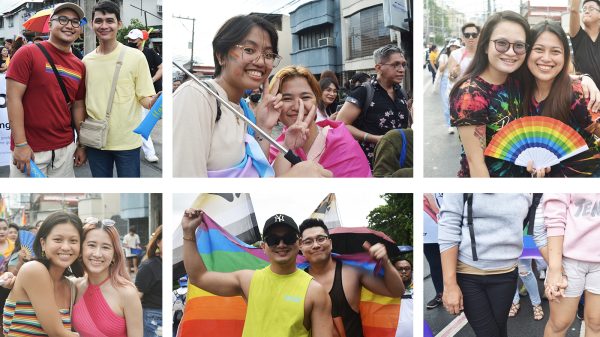
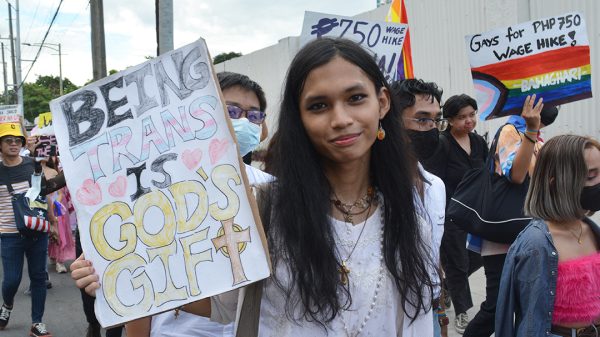
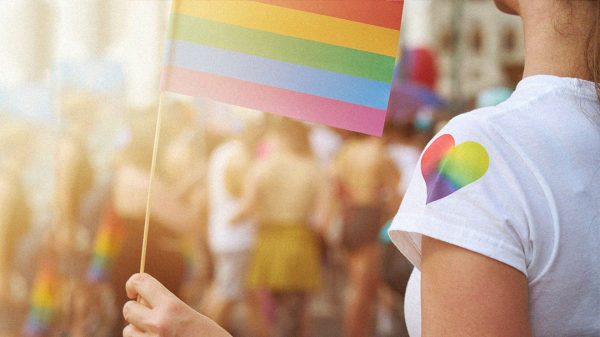
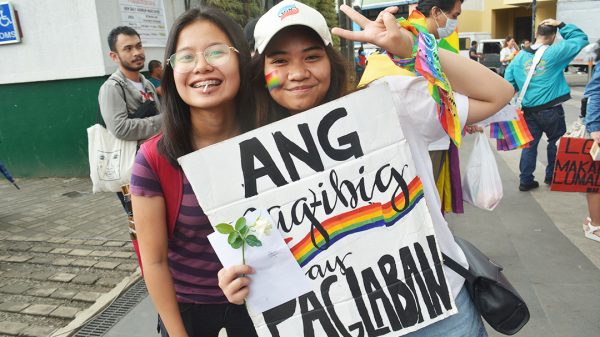
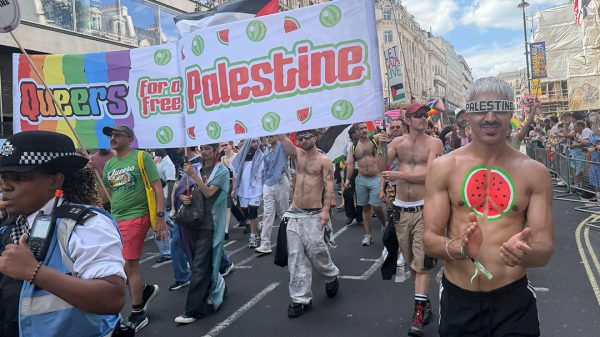
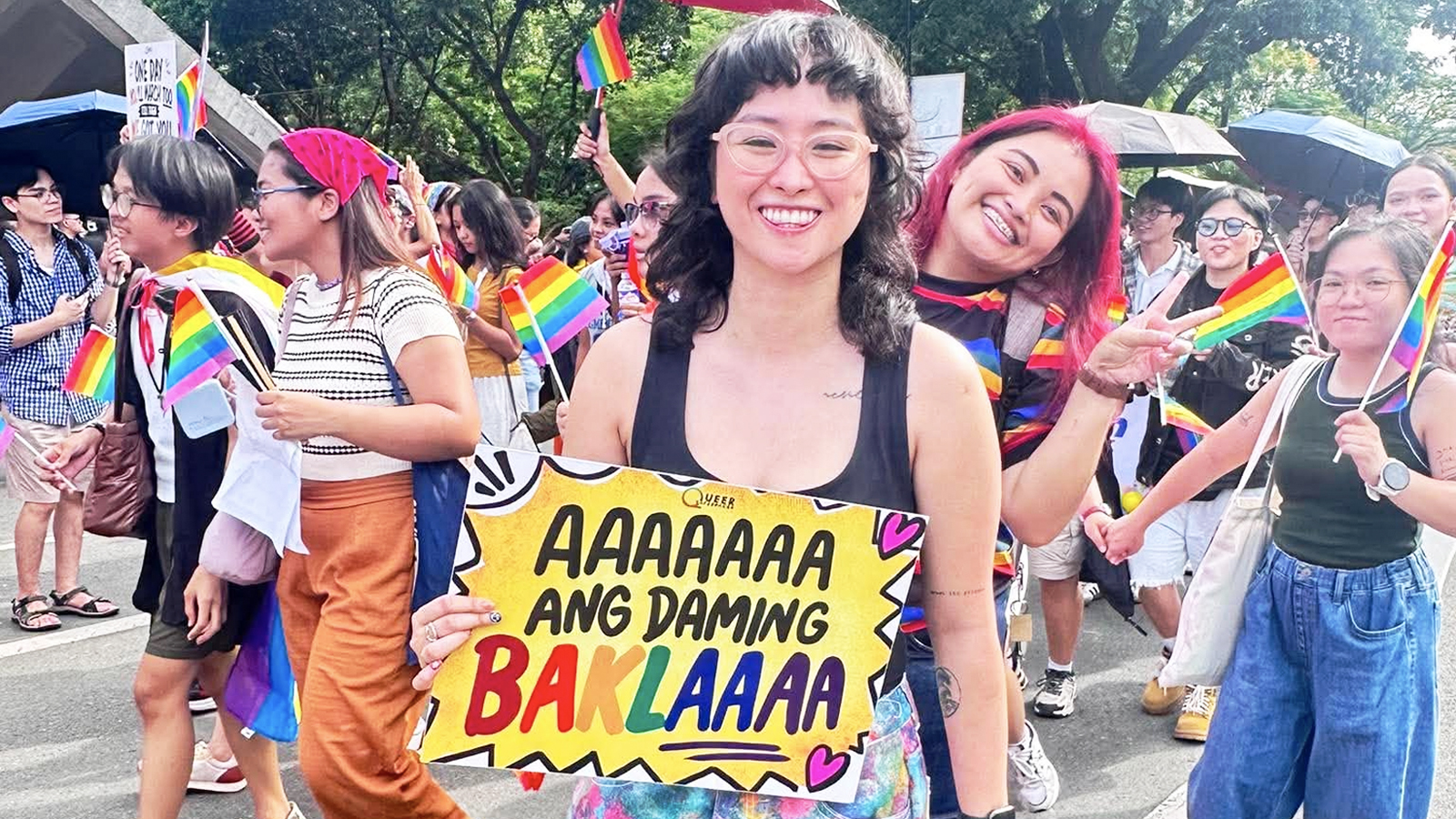
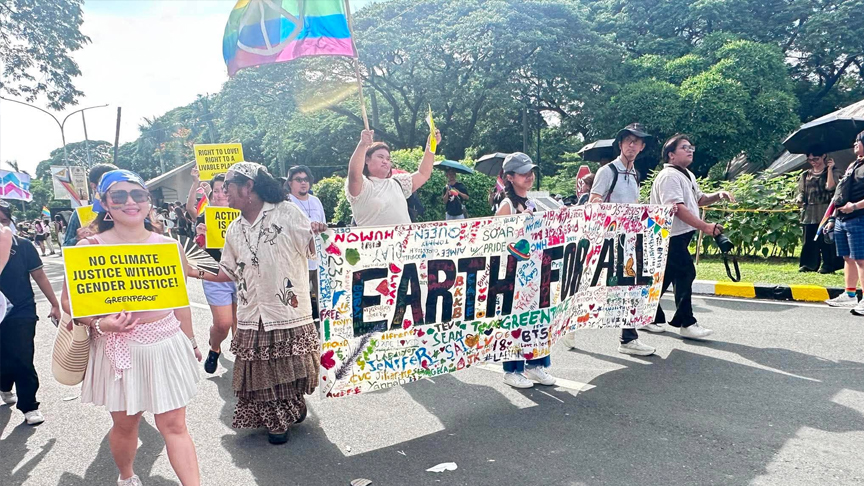
Still highlighting the lack of recognition, much more protection in laws in the Philippines, Quezon City hosted its annual #LoveLaban LGBTQIA+ Pride parade. Estimates vary, though higher counts claimed the number of participants reached approximately 300,000 people.
The annual gathering, it has to be stressed, is a pet project of the local government of Quezon City, which partnered with Pride PH supposedly to underscore “the city’s commitment to equality and empowering citizens of every gender”.
Quezon City has been hosting this version of Pride since 2021.
According to Quezon City mayor Joy Belmonte, who is not part of the LGBTQIA+ community, Pride is significant because it is both a celebration and a protest.
“(This) is a protest, we are protesting the status quo, and we are protesting the current state wherein marami pa ring discrimination, stigma and violence. The march is our sign na kailangan ipaglaban ang pagkakapantay pantay,” she was quoted as saying.
SEEING PRIDE CRITICALLY
For Michael David dela Cruz Tan, MDC, editor in chief of Outrage Magazine, there is a need to look at this version of Pride using a critical lens.
“The annual gathering can be considered a success in many ways — from the crowd attraction to broad media coverage and so on. But solely basing our definition of success on these is limiting, and can be harmful to us all,” Tan said. “After all, Quezon City’s Pride won’t start unless the mayor starts it; she heads the parade, and NOT LGBTQIA+ persons. This should tell us a lot about this Pride. And if we do not see this as an issue, then we are f*cked.”
According to Red Murphy, who was part of a the Stonewall Manila, which organized the very first Pride in the Philippines (and thus Asia), Quezon City’s modern Pride — culminating in massive events like the 2026 #LoveLaban Festival — represents “an undeniable victory for institutional support and LGBTQIA+ visibility. By throwing the full weight of the local government behind the community, the Belmonte administration has helped create one of the largest and safest state-sanctioned Pride spaces in Southeast Asia.”
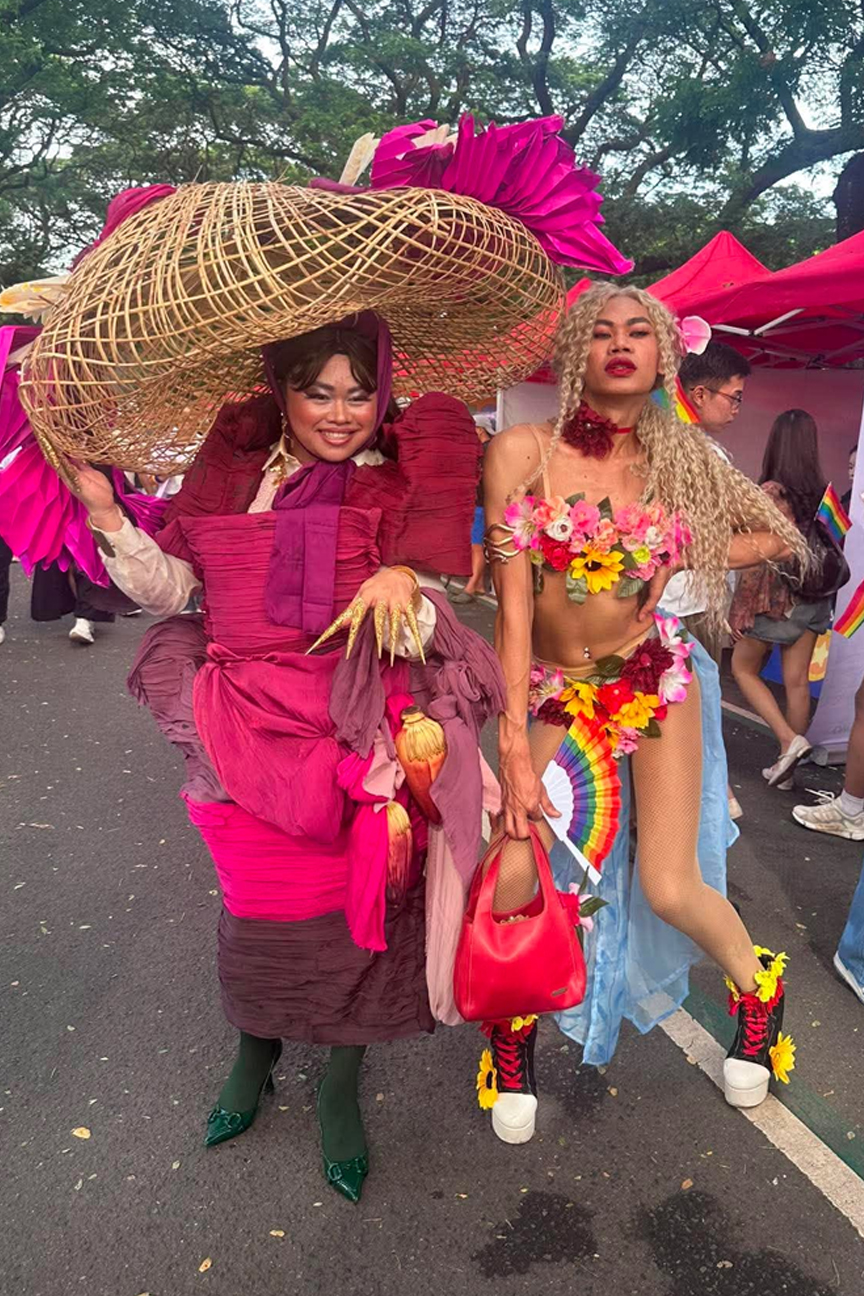
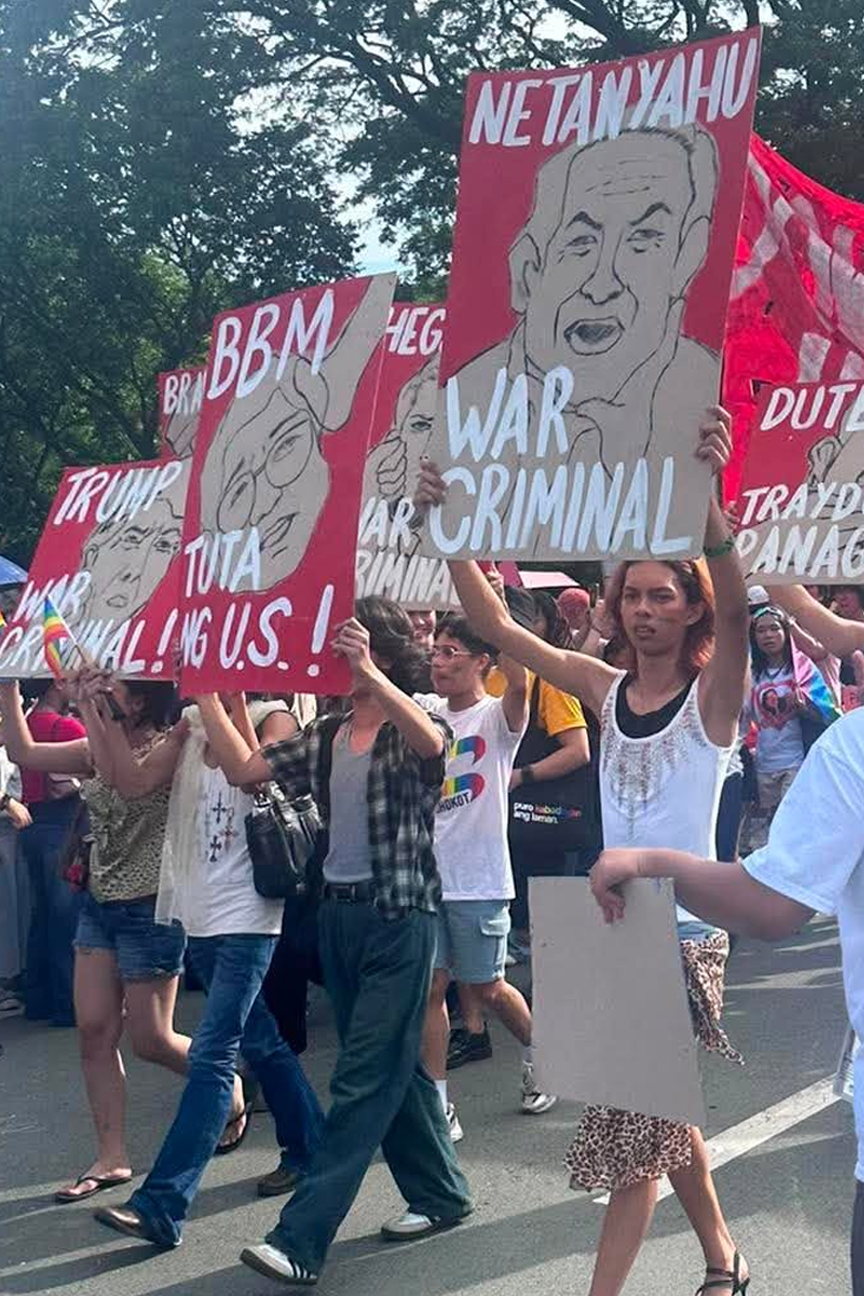
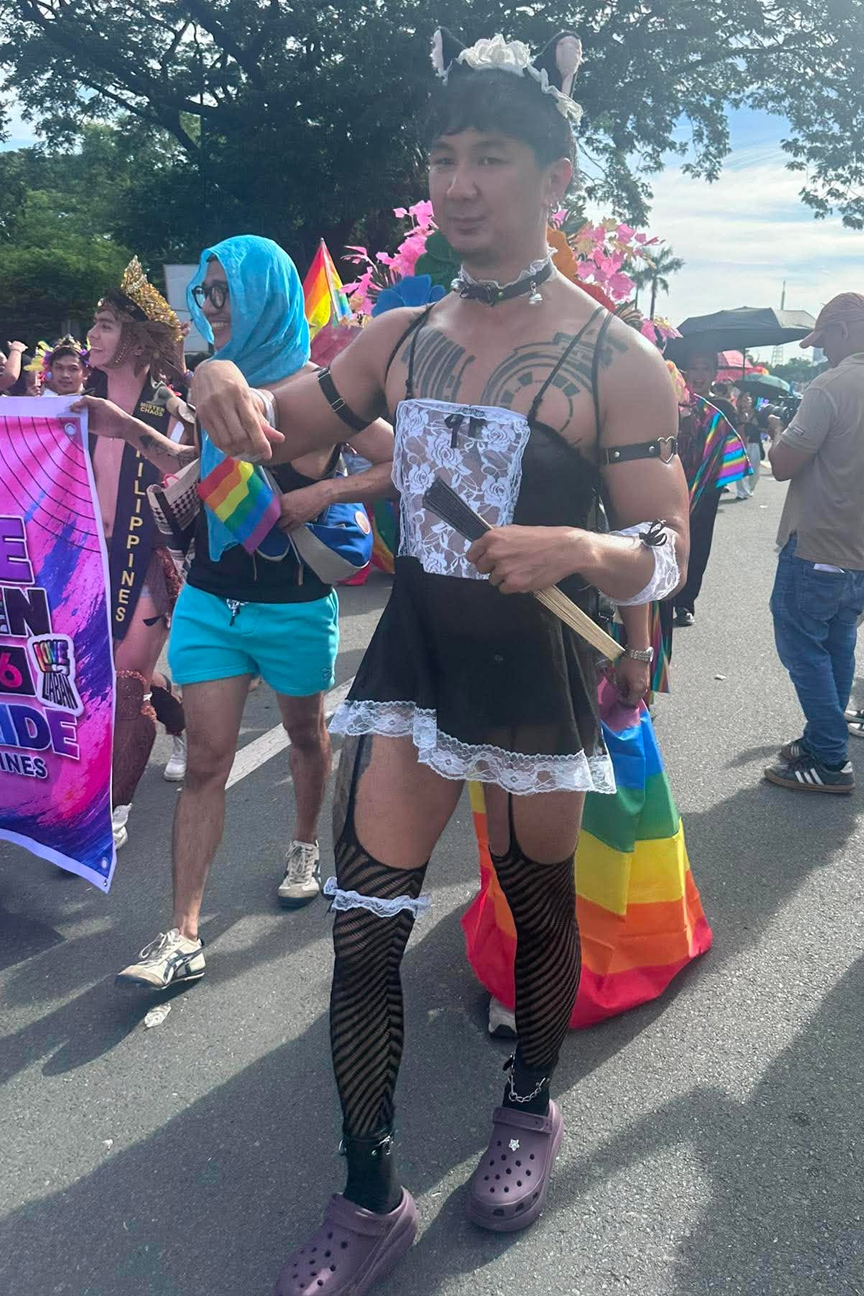
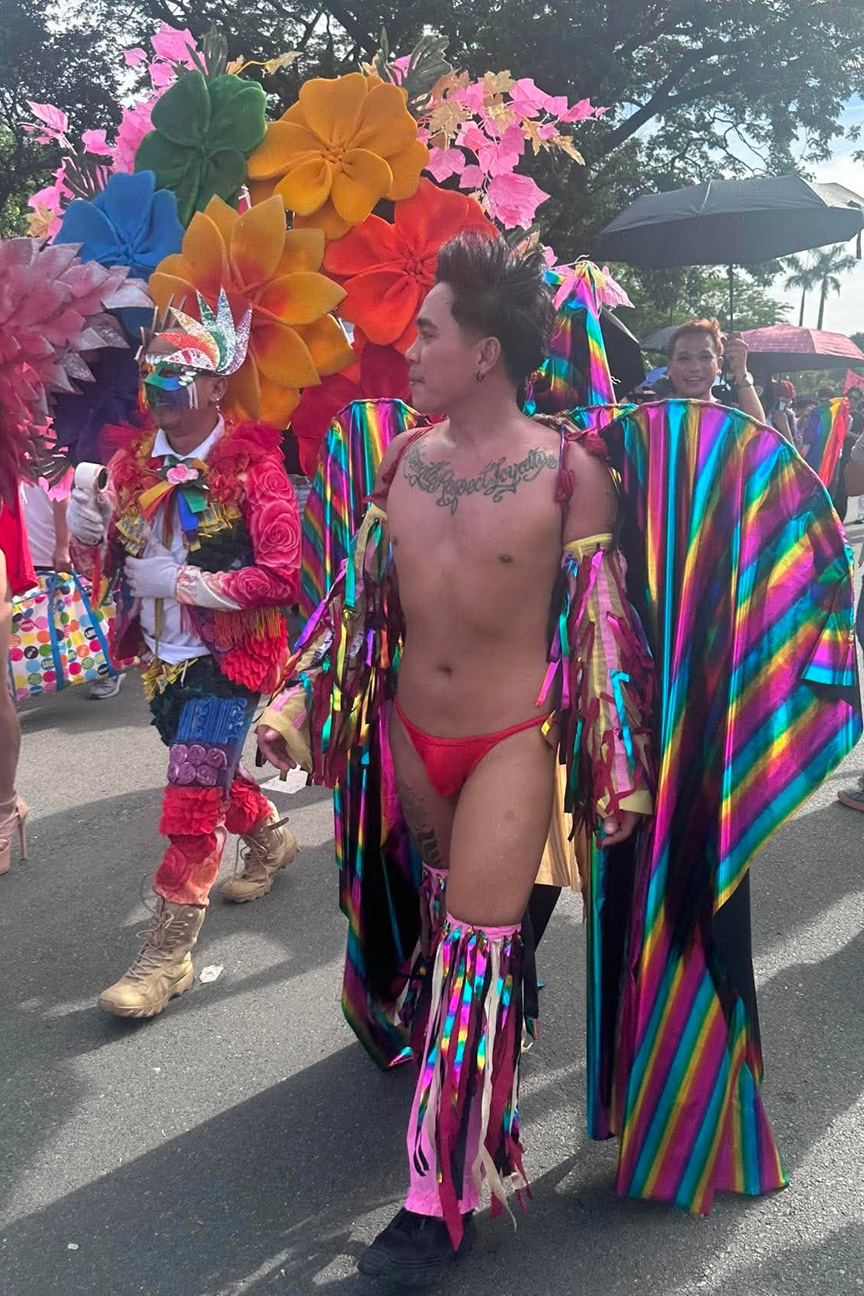
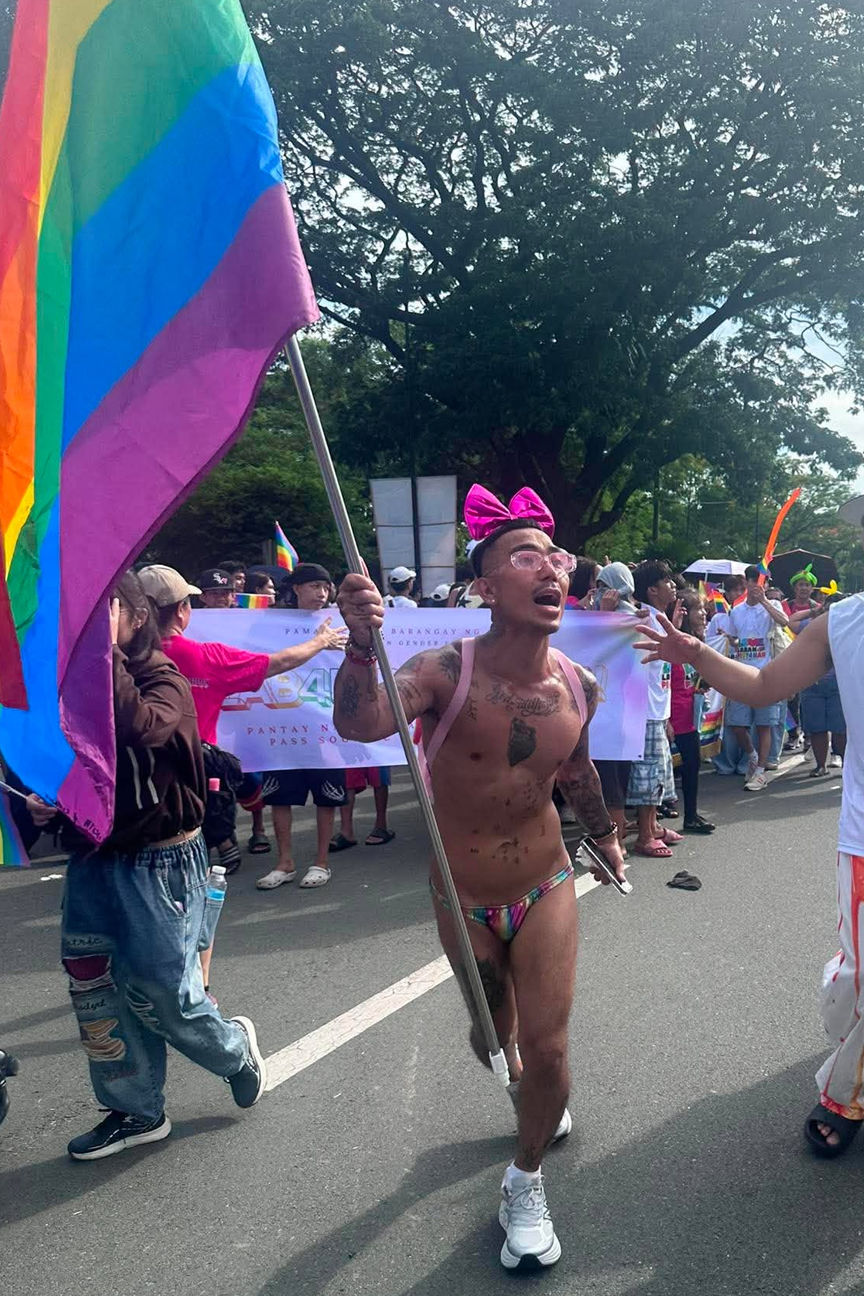
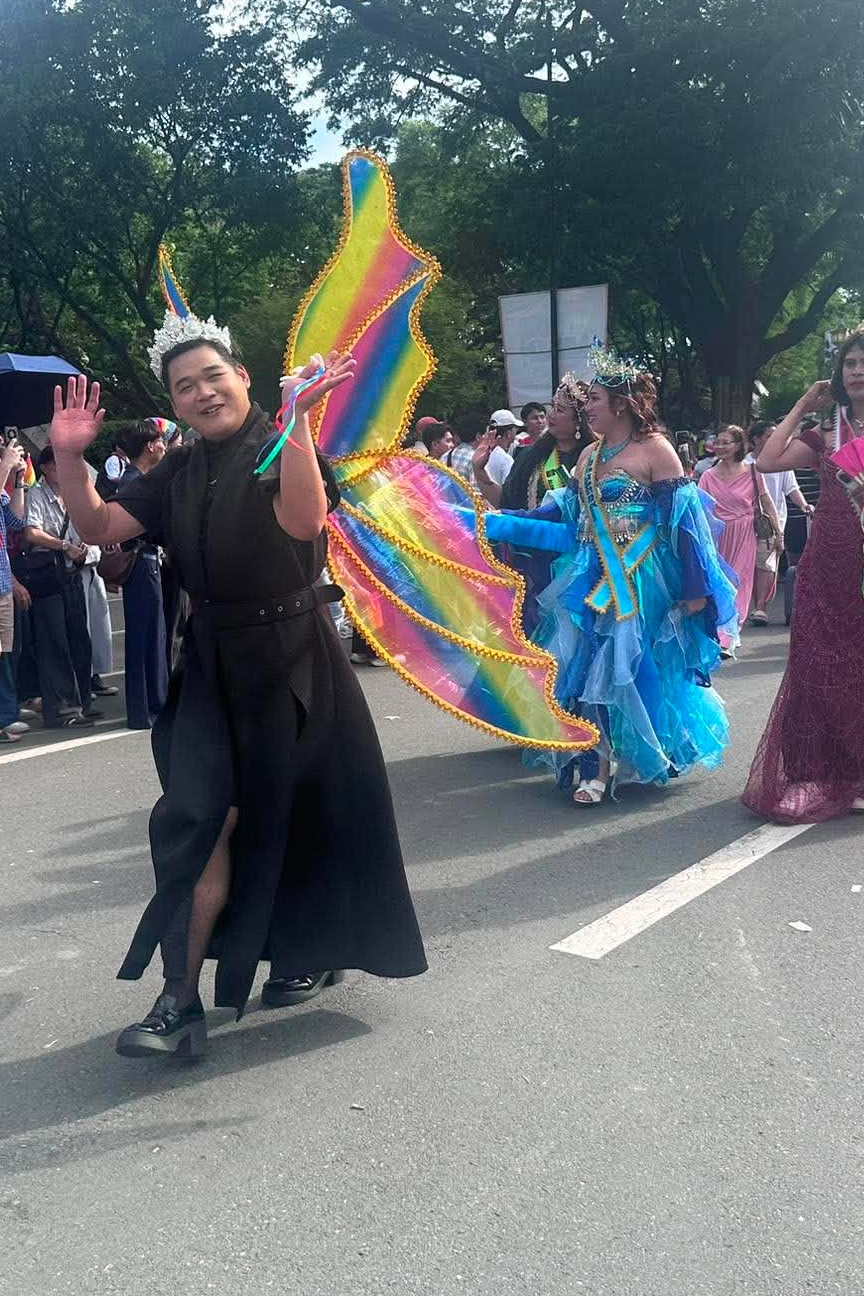
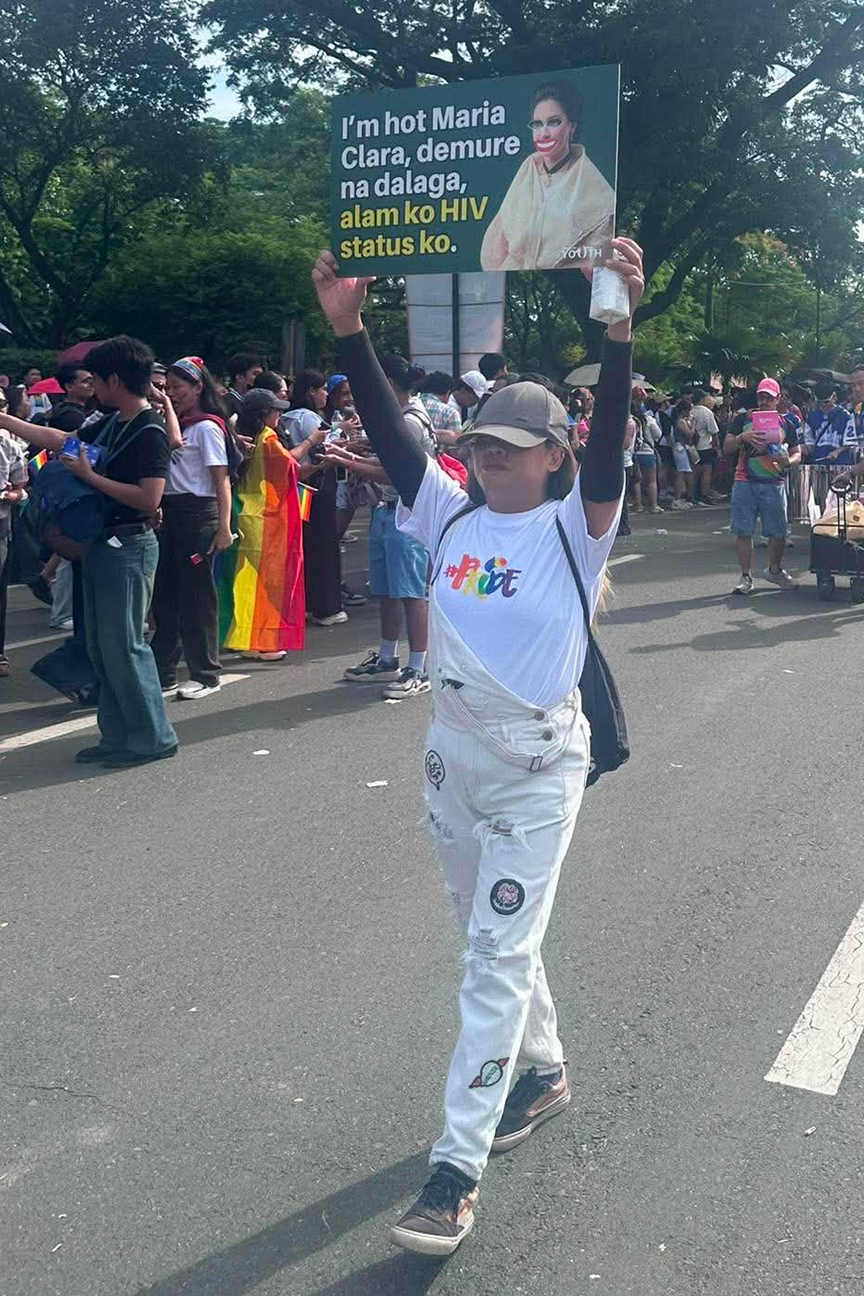
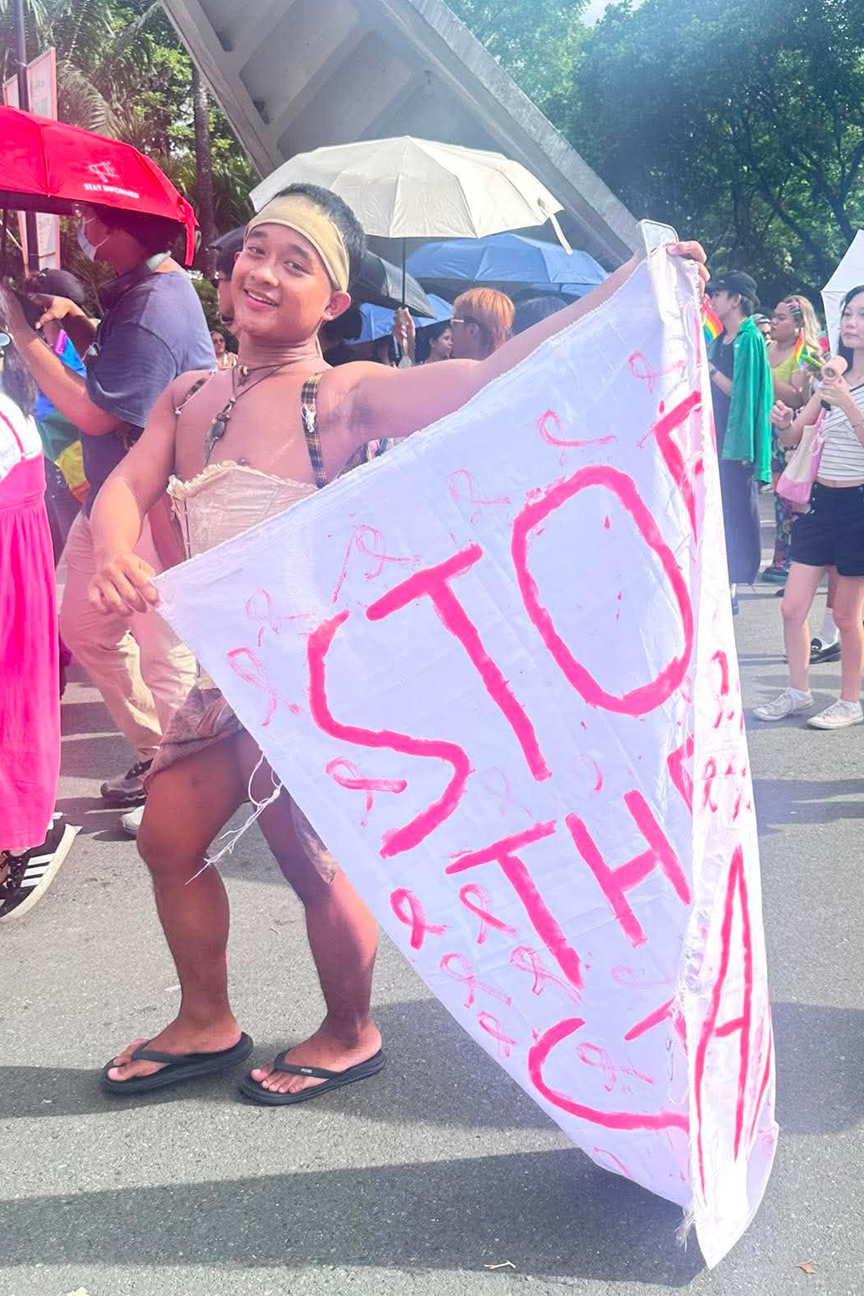
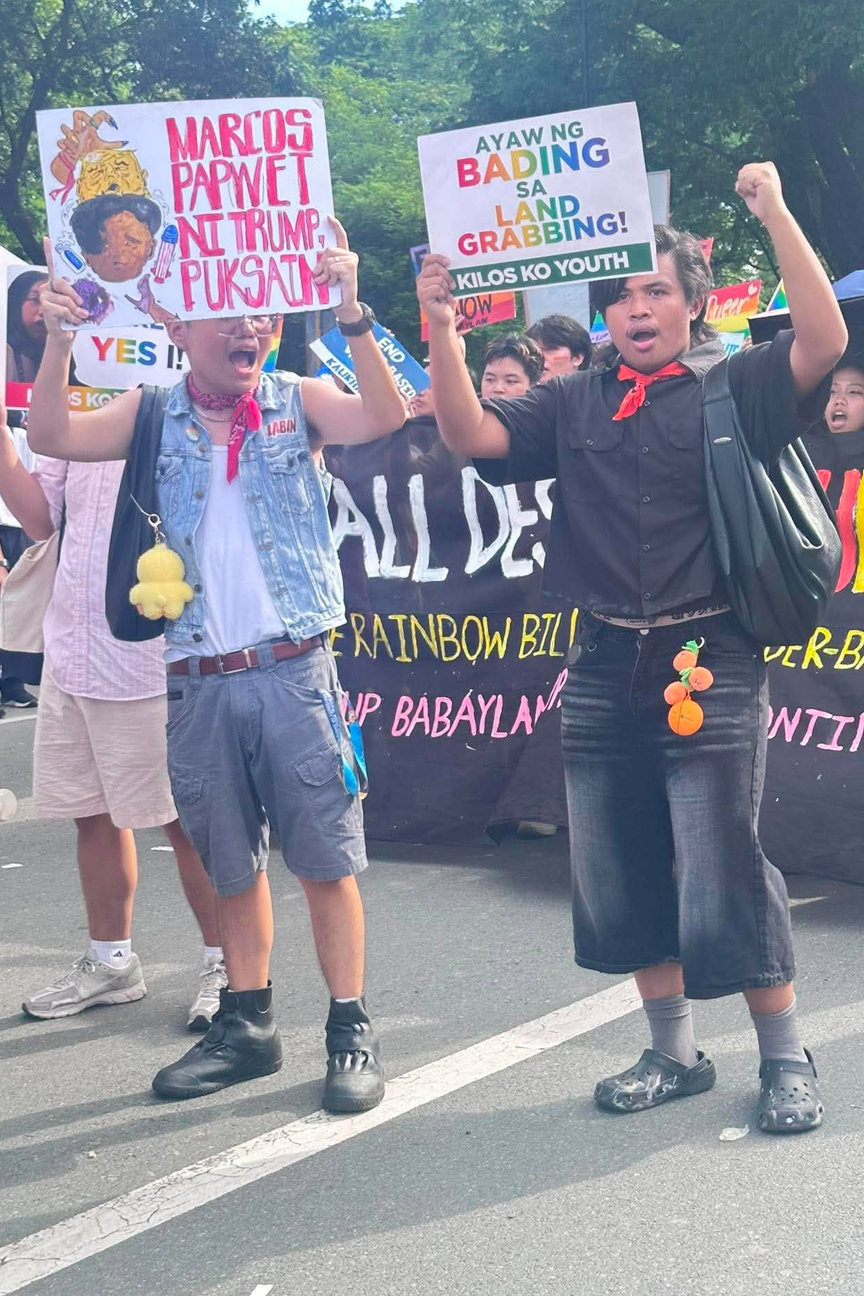
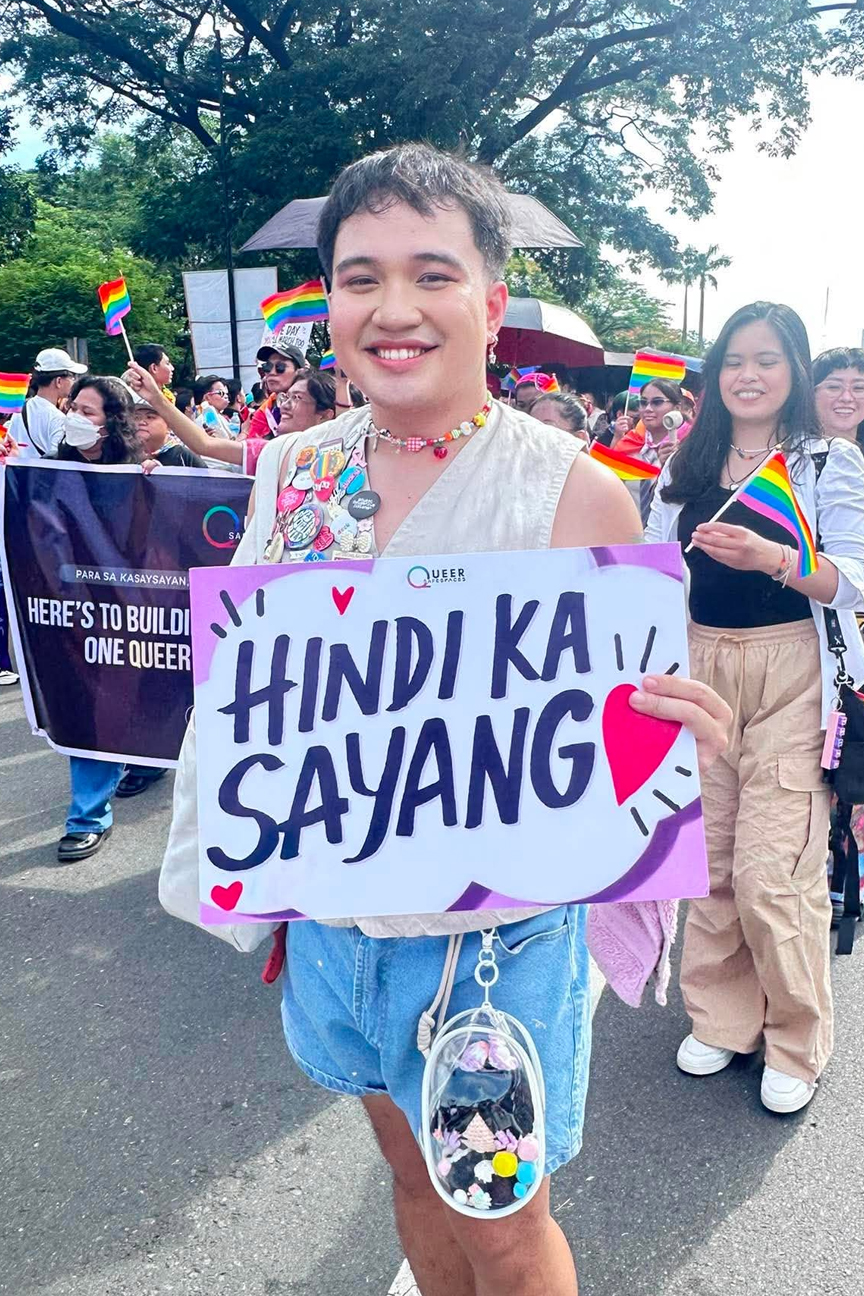
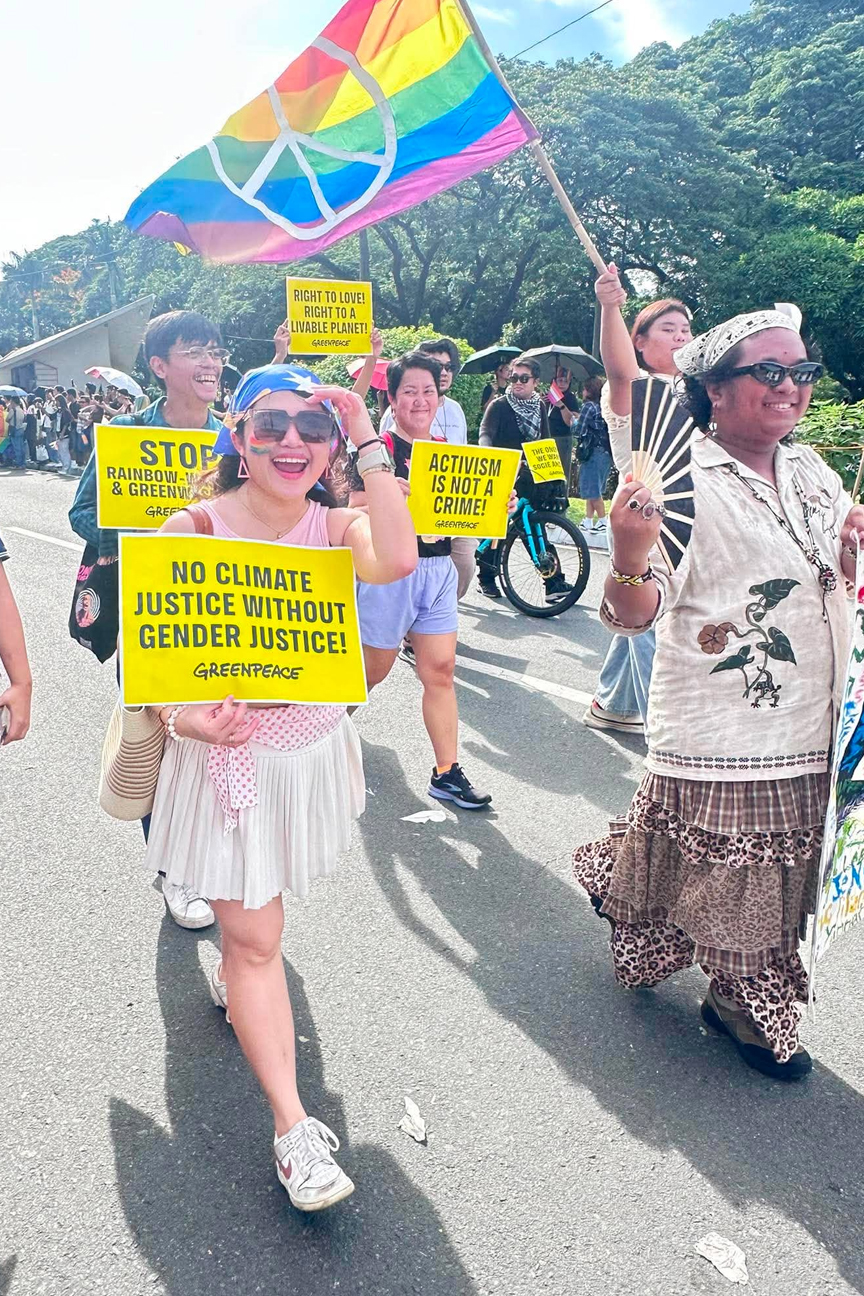
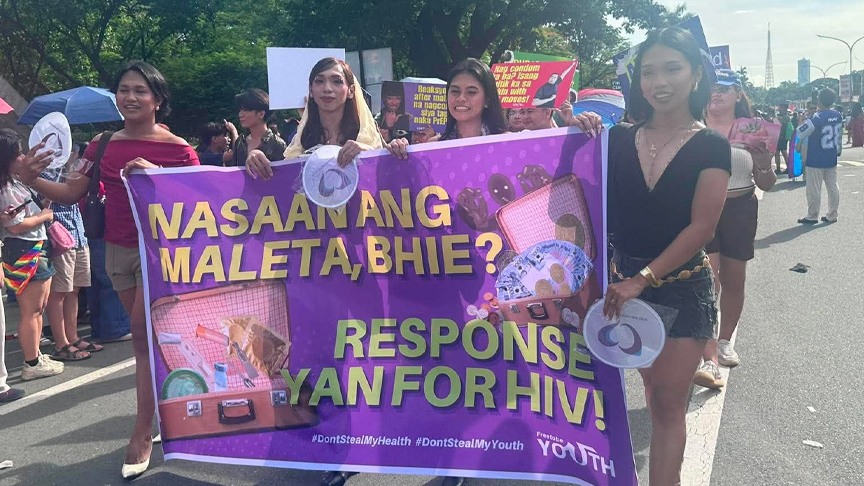
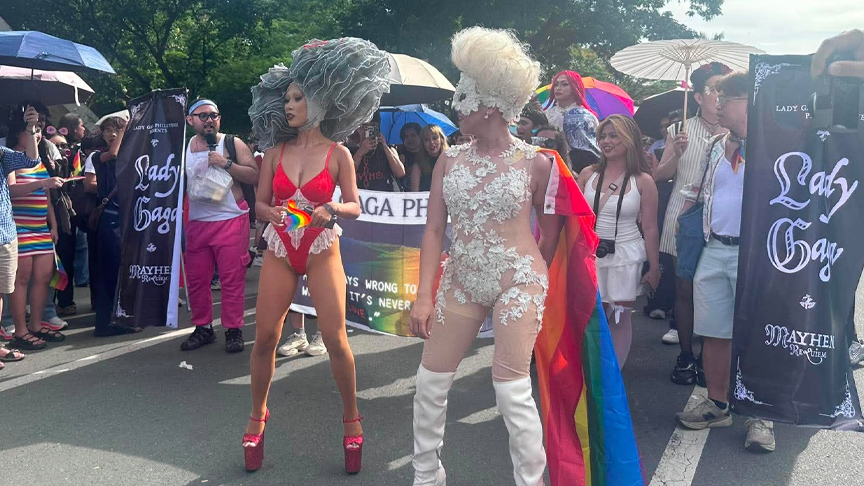
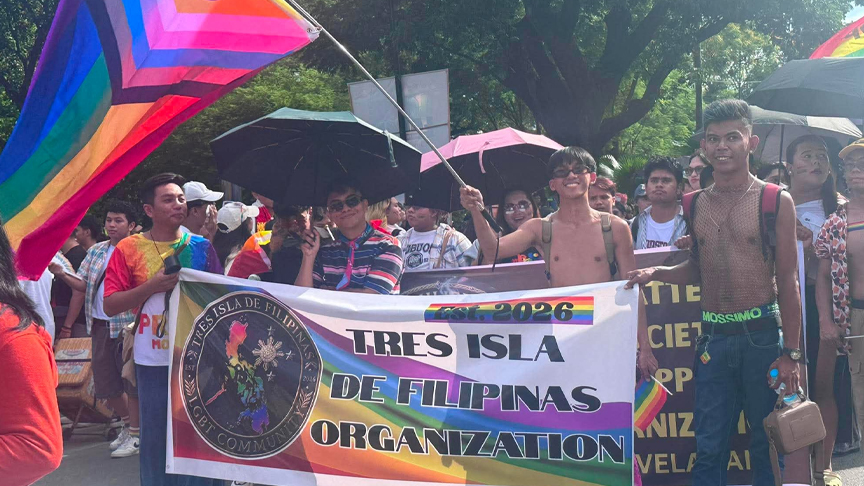
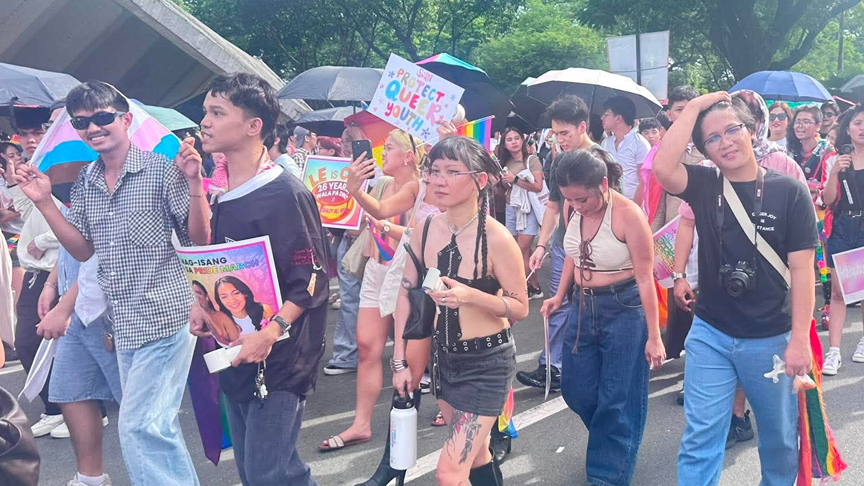
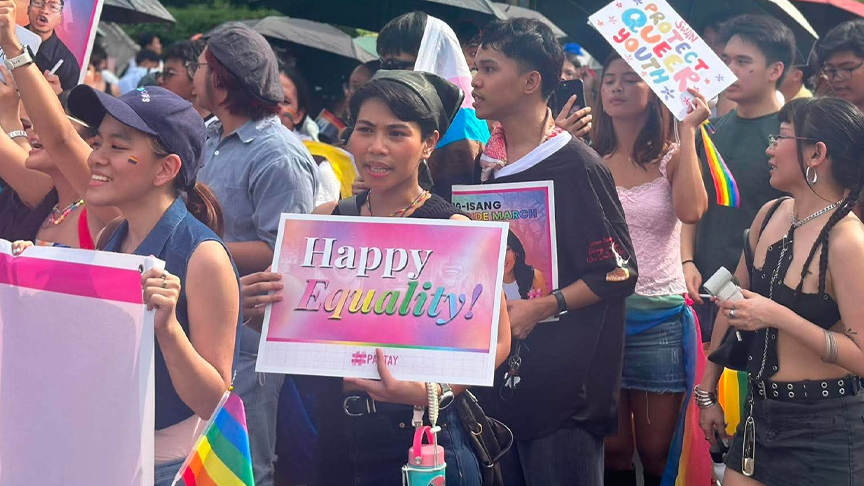
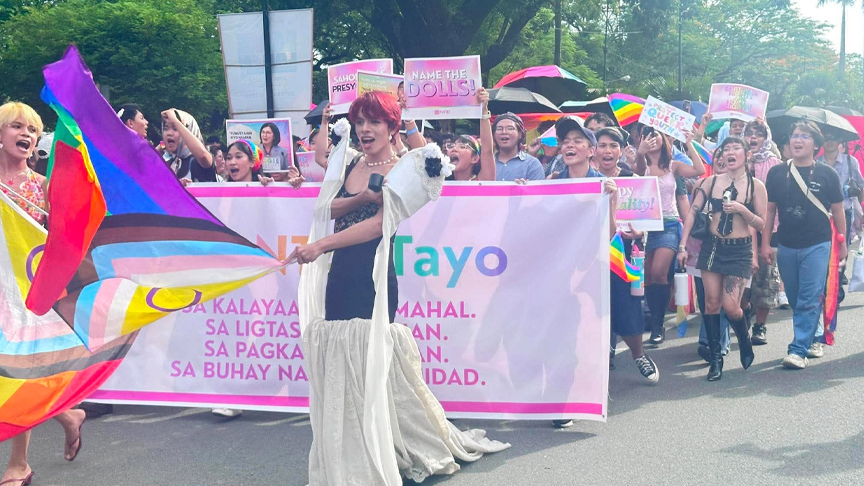
It also helps that the LGU actually has pro-LGBTQIA+ policies, thereby providing “a level of mainstream protection and celebration that previous generations could only dream of.”
WANTED: AUTONOMOUS PRIDE
But Murphy added that “the heavy institutionalization of the event strips Pride of its radical autonomy. When a parade is so closely tied to political branding that it effectively becomes a ‘Belmonte event’ — to the point where the march halts, waiting for a politician to arrive and take the first steps — it ceases to be a protest of the marginalized. It becomes a choreographed PR exercise. The community’s momentum is literally and figuratively tethered to the schedule of the political establishment.”
He added: “This political theater is deeply ironic given the geographical and historical context of Quezon City. Exactly 32 years ago, on June 26, 1994, the first Pride march in the Philippines (and Asia) took place right there. Dubbed Stonewall Manila, it was organized by PROGAY and the Metropolitan Community Church.”
“Today’s QC Pride highlights the ultimate paradox of modern liberation: the LGBTQIA+ community has successfully gained the protection of the state apparatus, but in doing so, it risks surrendering the radical, working-class independence that birthed the movement 32 years ago. When the establishment hosts the revolution, it dictates the terms.”
Tan, in closing, said that Belmonte’s last term as a mayor ends in 2028. “Meaning, if the politician replacing her will not see LGBTQIA+ issues the way she does, this version of Pride is also not guaranteed sustainability. So congratulations to the big turnout… but if ‘Pride’ is decided this way, it needs revisiting.”