
































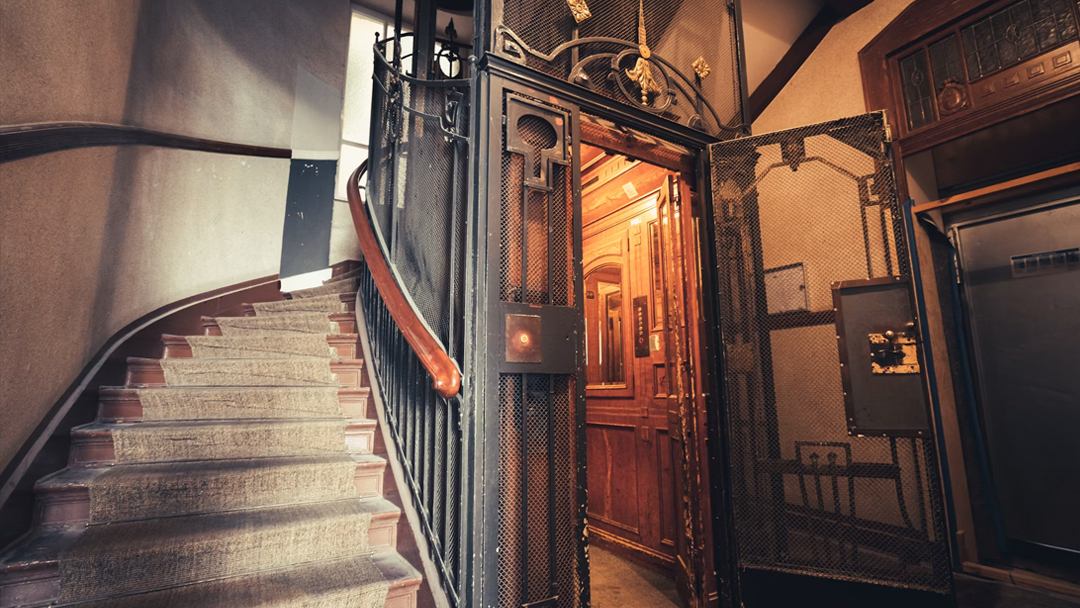
Most people step into a lift without thinking too much about what’s happening behind the doors. They press a button, wait a few seconds, and expect to arrive safely at the right floor. That quiet confidence is part of what makes lifts so useful in apartment buildings, offices, hospitals, shopping centres, warehouses and public facilities, but it can also mean that older equipment gets taken for granted until something starts to feel unreliable.
The challenge is that a lift can still appear to be working while some of its safety features, controls or mechanical systems are falling behind current expectations. That’s where lift hazard upgrades that support safer daily use become important, especially for building owners and facility managers who need to think beyond “it still moves” and ask whether the lift is providing the level of safety people reasonably expect today.
Older Lifts Can Hide Their Weak Points
A lift doesn’t need to look ancient to have outdated safety systems. In many buildings, the lift car might be clean, the buttons might work, and the ride might feel normal most of the time, yet the underlying equipment could still benefit from targeted upgrades. Door protection, levelling accuracy, emergency communication, lighting, braking systems, control equipment and safety signage can all affect how safe and comfortable the lift feels for daily users.
Small issues can matter more than they first appear. A lift that doesn’t stop level with the floor can create trip hazards, particularly for older passengers, people using mobility aids, parents with prams or workers moving trolleys. Doors that close too quickly, sensors that don’t respond properly, or unclear emergency procedures can also turn ordinary lift use into something more stressful than it needs to be.
Safety Is About Everyday Use, Not Just Emergencies
When people think about lift safety, they often picture rare worst-case scenarios, but many of the most practical upgrades are about reducing everyday risks. A safer lift is one that feels predictable, communicates clearly and gives passengers enough protection during normal use.
That might involve improving door detection systems so people are less likely to be struck by closing doors. It might mean upgrading emergency lighting or communication systems so passengers aren’t left feeling isolated if something goes wrong. It may also involve addressing control faults, improving access, or modernising components that have become harder to maintain reliably over time.
These kinds of upgrades aren’t always dramatic, but they can make a meaningful difference to the people who rely on the lift every day.
Building Owners Have a Duty to Look Ahead
Waiting until a lift breaks down is rarely the best strategy. By that point, the issue may already be disruptive, expensive and inconvenient for tenants, staff, visitors or residents. A more sensible approach is to assess hazards before they become urgent and plan upgrades in a way that suits the building’s use, budget and long-term maintenance needs.
This is particularly important in high-traffic buildings where a lift outage can affect accessibility, productivity and safety. It’s also relevant in older residential buildings, where occupants may depend on the lift to comfortably enter and leave their homes. In those settings, safety upgrades aren’t just technical improvements; they’re part of keeping the building usable and supportive for everyone.
Modernisation Doesn’t Always Mean Replacing Everything
One misconception about lift upgrades is that improving safety automatically means installing an entirely new lift. Sometimes a full replacement is the right decision, but in many cases, targeted hazard and risk upgrades can address specific concerns without requiring a complete overhaul.
That might be a more practical option for buildings where the lift structure is still sound but certain features need improvement. The key is to understand which components present the greatest risk, which upgrades will deliver the most value, and how the work can be staged with minimal disruption.
Safer Lifts Create More Confident Buildings
A lift should feel dependable to the people using it and manageable for the people responsible for maintaining it. When hazards are assessed properly and upgrades are handled before problems escalate, everyone benefits from a smoother, safer and more comfortable experience.
Older lifts can still serve a building well, but they shouldn’t be ignored simply because they’re still running. With the right safety updates, they can continue to do their job while giving passengers, owners and managers greater peace of mind.