






















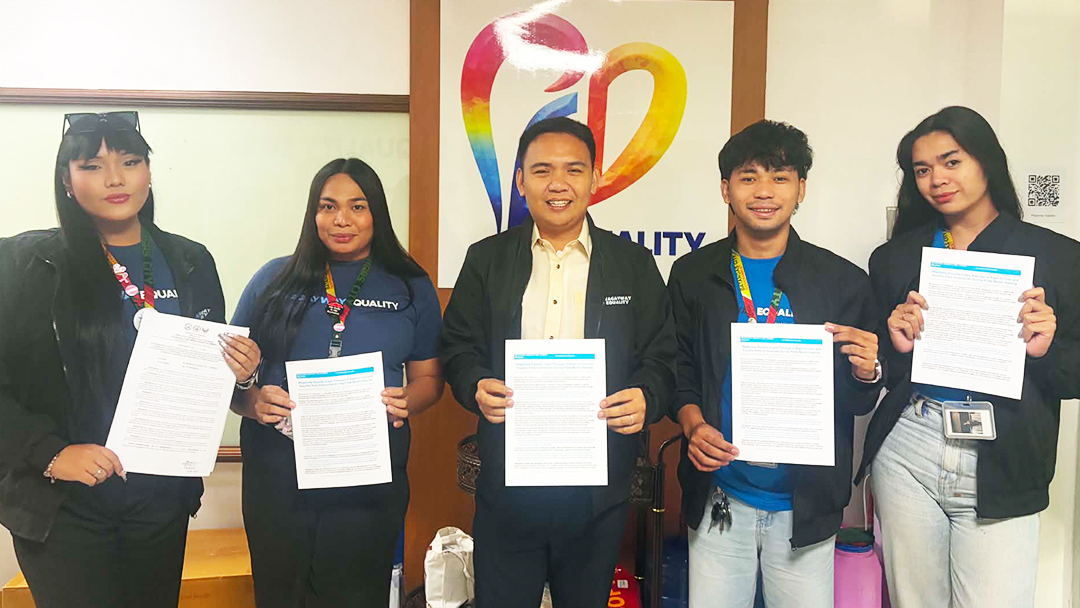
Wagayway Equality Inc. called on the Sangguniang Panlungsod of Batangas City to support and pass two landmark local measures: the proposed Right to Care Ordinance, and the Equality Desk Ordinance.
According to Aivan C. Alvarez, founder of Wagayway Equality Inc., the proposed ordinances are “timely, necessary, and aligned with Batangas City’s continuing efforts to build a more inclusive, rights-based, and service-oriented local government.”
“These ordinances are not only for the LGBTQIA+ community. They are for every Batangueño who deserves access to care, protection, dignity, and equal opportunity,” Alvarez said.
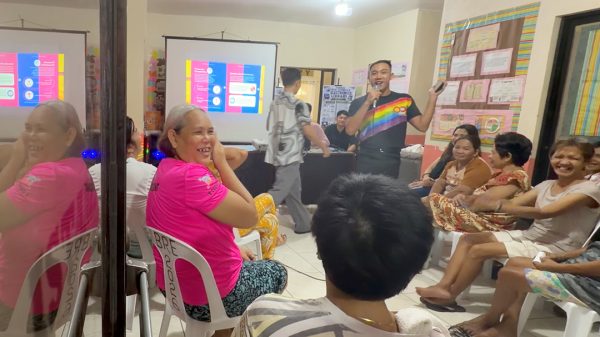
Wagayway Equality noted that its advocacy is rooted in years of community work on HIV, public health, gender equality, and human rights. During the height of the HIV response and the challenges surrounding 2019 and 2020, Wagayway Equality helped advocate for stronger local mechanisms to address HIV prevention, treatment, care, and stigma reduction. This advocacy contributed to the passage of the Provincial HIV and AIDS Ordinance in Batangas, which was supported by then Board Members Claudette Ambida and Arthur Blanco.
The organization emphasized that the same spirit of partnership led to the creation of the Equality Desk, which was co-created by Wagayway Equality with the support of Cong. Beverley Dimacuha, Kon. Claudette Ambida, UNAIDS, and other local stakeholders. The desk has served as a safe and accessible referral mechanism for community members needing support related to discrimination, HIV-related concerns, psychosocial needs, gender-based concerns, and access to social and legal services.
A key feature of the proposed Equality Desk Ordinance is the institutionalization of a community-led and LGU-supported model. Under this approach, the community remains at the center of outreach, trust-building, case navigation, and referral, while the local government provides legitimacy, coordination, continuity, and institutional support.
“What makes the Wagayway Equality Desk unique is that it is not a top-down mechanism. It was built from the lived realities of the community and strengthened through partnership with government. This model allows people to seek help without fear and allows the city to respond with compassion, structure, and accountability,” Alvarez said.
Jira Samson, community lead of Wagayway Equality, said that institutionalizing the Equality Desk would help ensure that support services are sustained beyond personalities, projects, and temporary programs.
“The Equality Desk gives people a place to be heard, guided, and referred to the right services. For many community members, that first safe conversation can determine whether they will seek help, continue treatment, report abuse, or access protection. Passing this ordinance means making that support permanent,” Samson said.
Wagayway Equality also highlighted that the work of Batangas-based equality advocates already gained national and regional recognition. Kon. Claudette Ambida was recognized as an Equality Champion in the Philippines. The co-creation efforts of Wagayway Equality and Cong. Beverley Dimacuha were also recognized through the Ripple Awards. According to the organization, these recognitions affirm Batangas City’s potential to become a national model for inclusive local governance, community-led public health, and rights-based service delivery.
“The passage of the Right to Care Ordinance and Equality Desk Ordinance will send a powerful message: Batangas City cares, Batangas City includes, and Batangas City leaves no one behind,” Alvarez ended.