
































The jet lag hits first, usually around 4 a.m., when the body insists it’s time for dinner and the city outside is still dark and quiet. That gap between what your internal clock says and what Tokyo is actually doing sets the tone for the entire day. Nothing about a first day here moves at the pace you expect, and that’s exactly what makes it worth paying attention to from the moment you step outside.
The Quiet Before the Rush
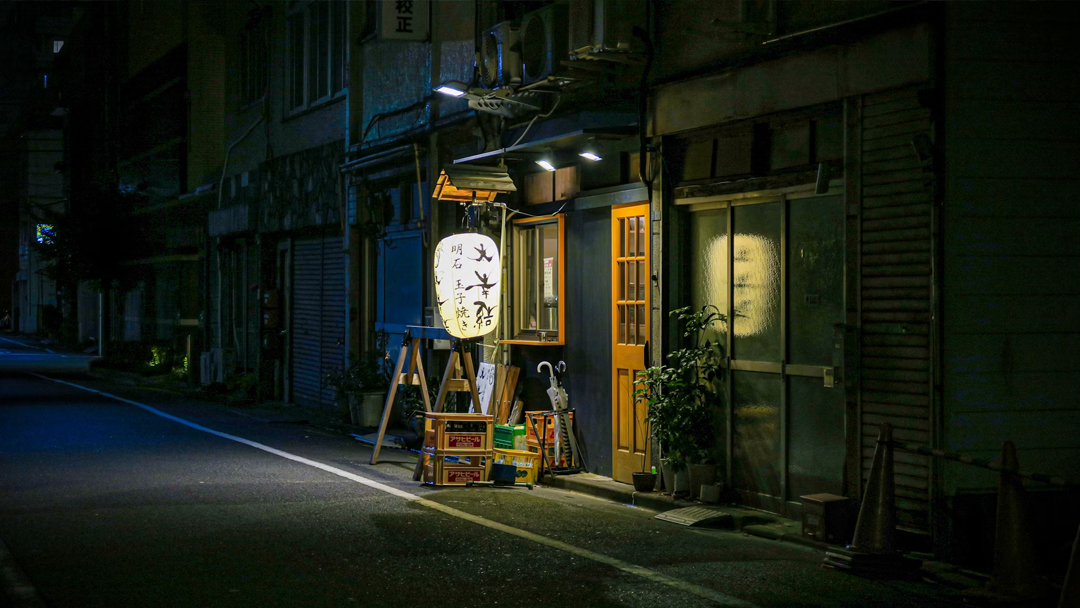
Early mornings in Tokyo, especially in residential neighborhoods like Yanaka or Kagurazaka, feel almost provincial. Shop owners sweep the sidewalks in front of their stores, vending machines hum on empty corners, and the trains haven’t hit full capacity yet. This is the version of the city that guidebooks rarely mention, but it’s the one that helps calibrate expectations before the density sets in.
By 8 a.m., though, the shift is obvious. Salarymen and students flood the sidewalks near stations like Shinjuku and Shibuya, moving with a purpose and speed that can feel disorienting if you’re still running on a different time zone. Standing at the edge of Shibuya Crossing during this window, watching a few thousand people cross in every direction at once, is often the moment first-time visitors realize they’re somewhere genuinely different.
Getting the Transit System Right (Or Wrong)
The train system is efficient to the point of being intimidating. Signage is bilingual almost everywhere, but the sheer number of lines, transfers, and exits at major stations like Shinjuku Station, which has over 200 exits, can turn a five-minute trip into a 40-minute maze on day one.
Buying a Suica or Pasmo card at the airport before heading into the city solves most of the friction immediately. These prepaid IC cards work on nearly every train, subway, and bus line, and also function at convenience stores and vending machines. Skipping this step and trying to buy individual paper tickets at each station is one of the more common first-day mistakes, and it costs time you don’t get back.
Food Decisions Happen Constantly
Meals in Tokyo aren’t really scheduled events on day one so much as they are frequent, small decisions. A convenience store onigiri at 9 a.m., a bowl of ramen at a counter seat by noon, and a skewer of yakitori from a stall in Omoide Yokocho by early evening are all reasonable choices, sometimes within the same six-hour window.
Konbini culture deserves more credit than it gets. Chains like 7-Eleven, Lawson, and FamilyMart sell fresh, genuinely good food around the clock, and they’re often the fastest way to eat well without needing a reservation or fluent Japanese. Sit-down restaurants, especially the smaller ones with six or eight seats, sometimes have lines that form well before opening, which is worth knowing before committing to a specific spot for lunch.
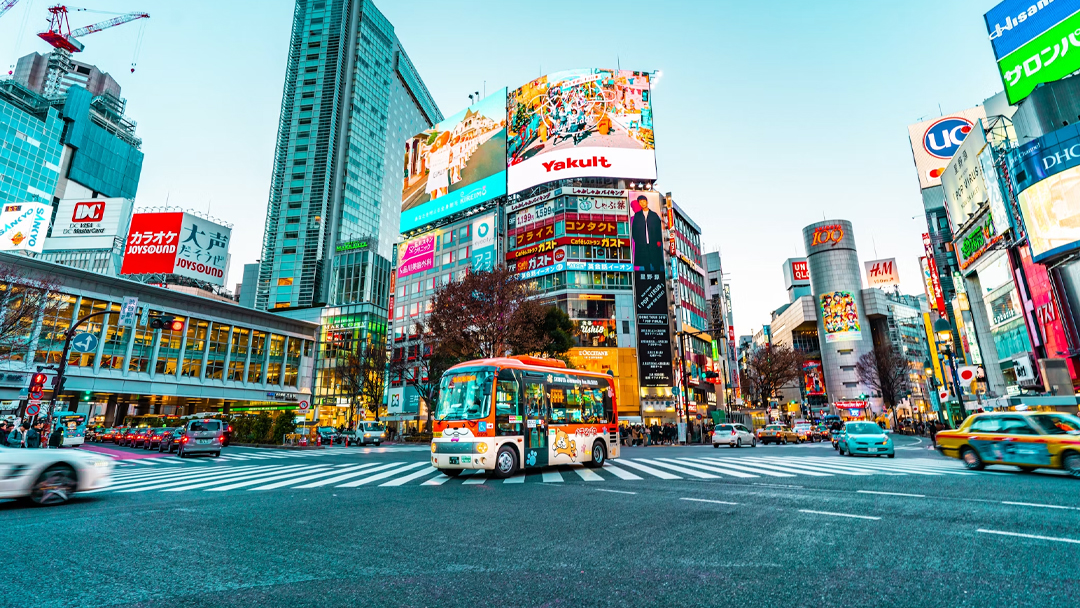
The Sensory Overload of Neighborhoods Like Shibuya and Akihabara
Akihabara in particular can feel like sensory whiplash on a first visit. Multi-story electronics stores sit next to arcades blasting music onto the street, and the volume and visual noise of the district doesn’t really have a direct comparison in most Western cities. It’s worth walking through slowly rather than trying to see everything, since the overstimulation tends to blur details together if you rush it.
For travelers who want some structure without losing the spontaneity of exploring on foot, several well-organized Tokyo tours cover neighborhoods like Asakusa, Akihabara, and Shibuya in a single day, which can help make sense of the layout before venturing out solo later in the trip. Having a guide point out which side streets are worth a return visit saves a fair amount of guesswork.
Small Etiquette Details That Stand Out
Certain habits become noticeable almost immediately. Escalators have a strict standing side, right in Tokyo, and blocking it draws quiet but real annoyance. Eating while walking is uncommon outside of festivals, and talking loudly on trains, especially on the phone, is generally avoided.
None of these are enforced rules, but they’re consistent enough across the city that ignoring them tends to draw attention. Watching how locals behave at a train platform or a crosswalk for even a minute or two usually answers most etiquette questions faster than any guidebook.
Evening Arrives Faster Than Expected
By early evening, exhaustion tends to catch up all at once. The combination of walking 15,000 to 20,000 steps, adjusting to new sounds and signage, and processing a genuinely unfamiliar environment adds up faster than most people plan for. Neon signs in areas like Shinjuku’s Kabukicho district start to feel less exciting and more like a cue to head back.
That crash is normal and worth listening to rather than fighting through with another activity.
A Practical Takeaway
The most useful thing to plan for on a first day in Tokyo isn’t a specific sight or restaurant, but a lighter schedule than feels necessary. Building in unstructured time between one or two anchor activities, like a morning shrine visit and an afternoon neighborhood walk, leaves room for the inevitable detours, transit confusion, and impromptu food stops that end up defining the day anyway. Tokyo rewards flexibility far more than it rewards a packed itinerary.