



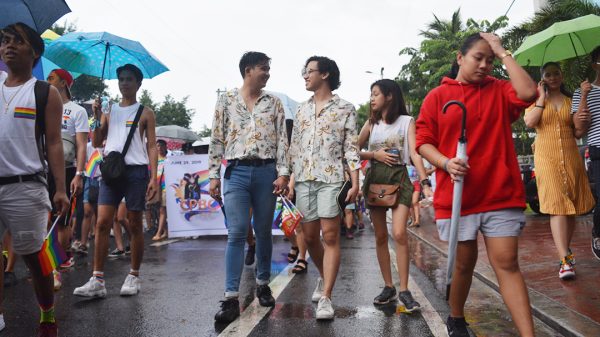
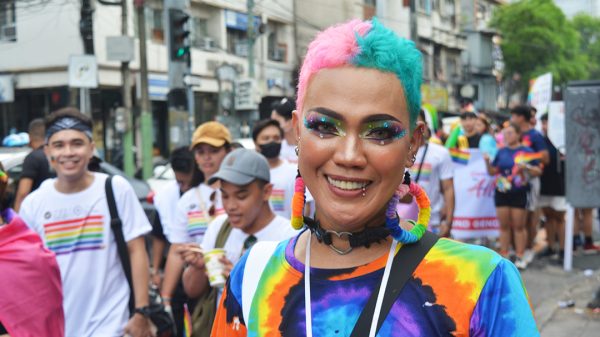
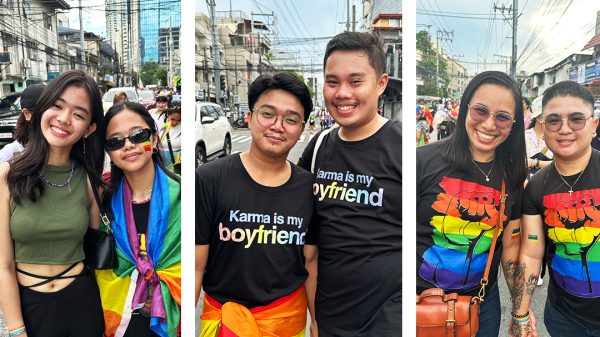




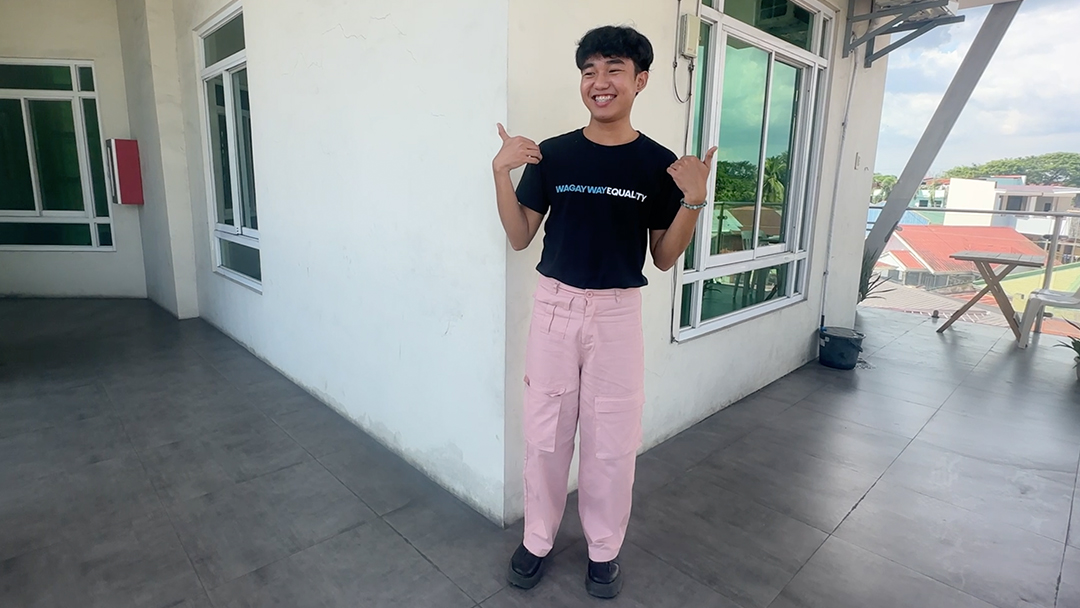

This is part of #KaraniwangLGBTQIA, which Outrage Magazine officially launched on July 26, 2015 to offer vignettes of LGBTQIA+ people/living, particularly in the Philippines, to give so-called “everyday people” – in this case, the common LGBTQIA+ people – that chance to share their stories.
As Outrage Magazine editor Michael David C. Tan says: “All our stories are valid – not just the stories of the ‘big shots’. And it’s high time we start telling all our stories.”
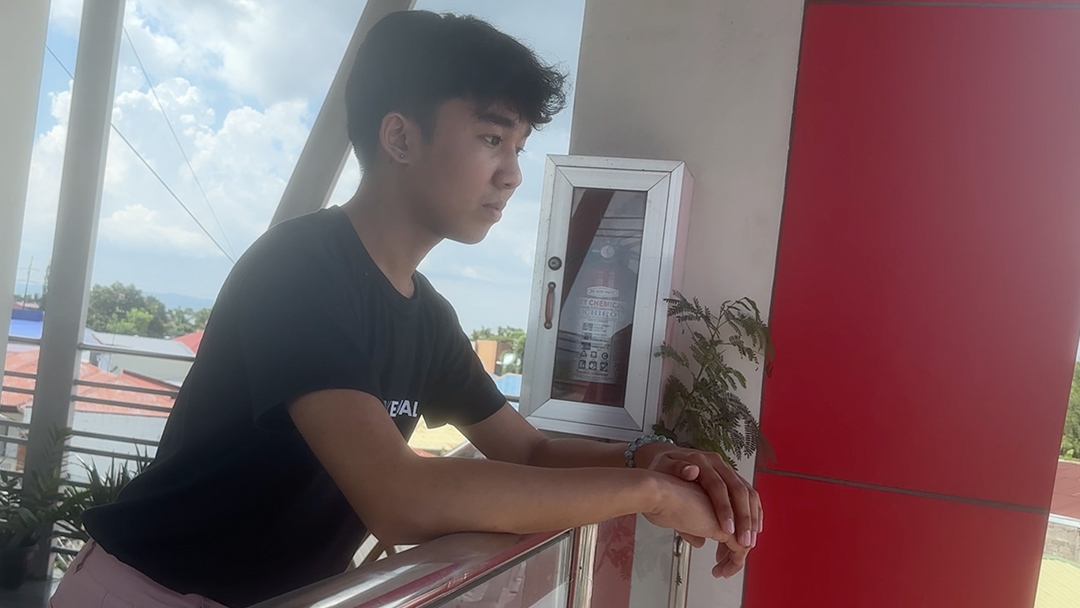
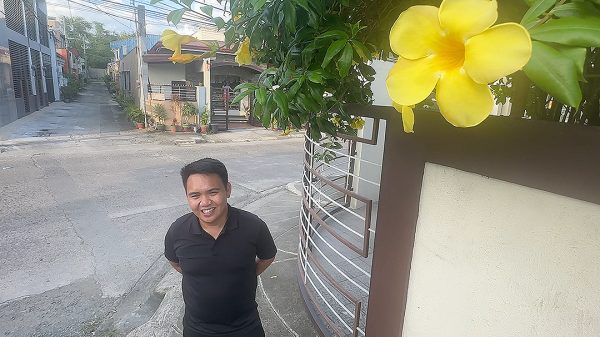
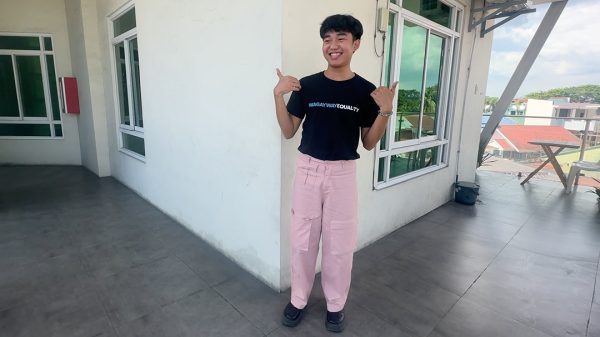
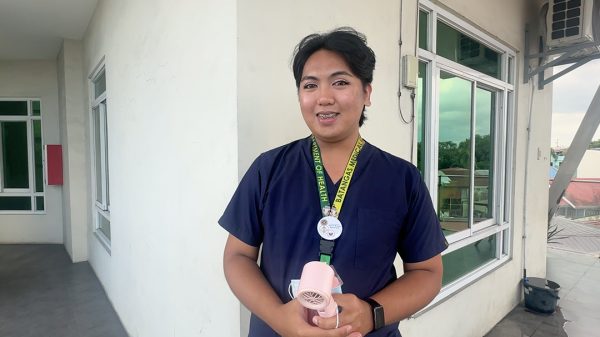
Mac Buhat, 20 years old from Poblacion Dos in Batangas City, initially identified as gay, then bisexual… and then, eventually, when he was already 19, as non-binary. The evolution, he said, was abetted by his joining of the LGBTQIA+ and HIV advocacies.
“When I was younger, I was effeminate because, growing up, I was close to my sister,” he said in English and Filipino, and colloquial Filipino. “I saw myself, and my parents saw me as gay.”
That time, he added, “I didn’t have any idea about identities. I had no idea about SOGIE. All I knew was gay, bisexual, lesbian… that’s that.”
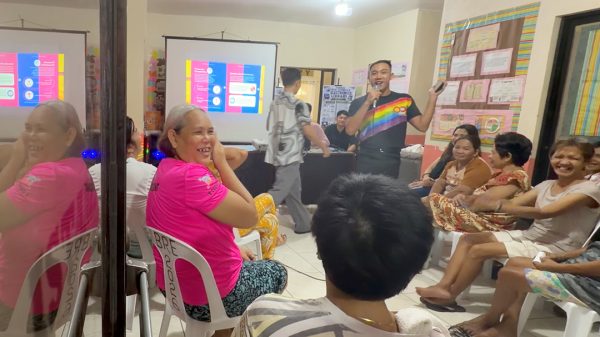
He was 19 years old when he joined a non-government organization, Wagayway Equality, Inc., which provided SOGIESC 101 and HIV 101 lectures. That, according to Mac, opened his eyes.
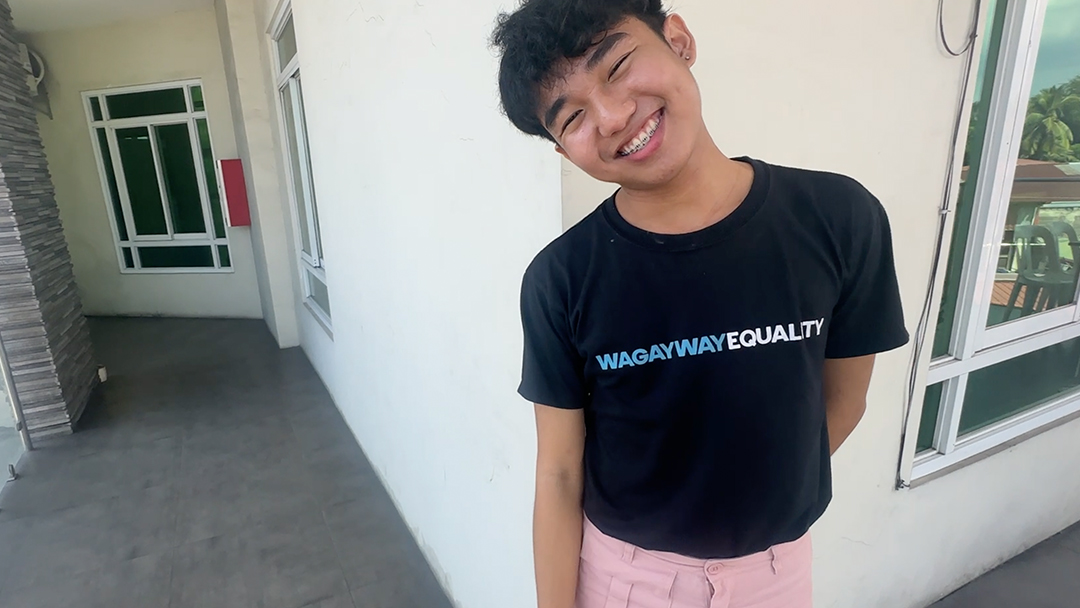
Mac said none in the family was shocked when he came out.
“They saw through me while I was growing up,” he said, “so I think they were just waiting for me to say it. But of course there’s still that fear in them that I could be discriminated and be hurt by people around me.”
Mac – who is studying BS Nursing in the University of Batangas – experienced various forms of discrimination. Gender expression, as an example, is binary, and those assigned male at birth and yet act in more feminine ways experience hate. “It’s not acceptable to some people,” he said.
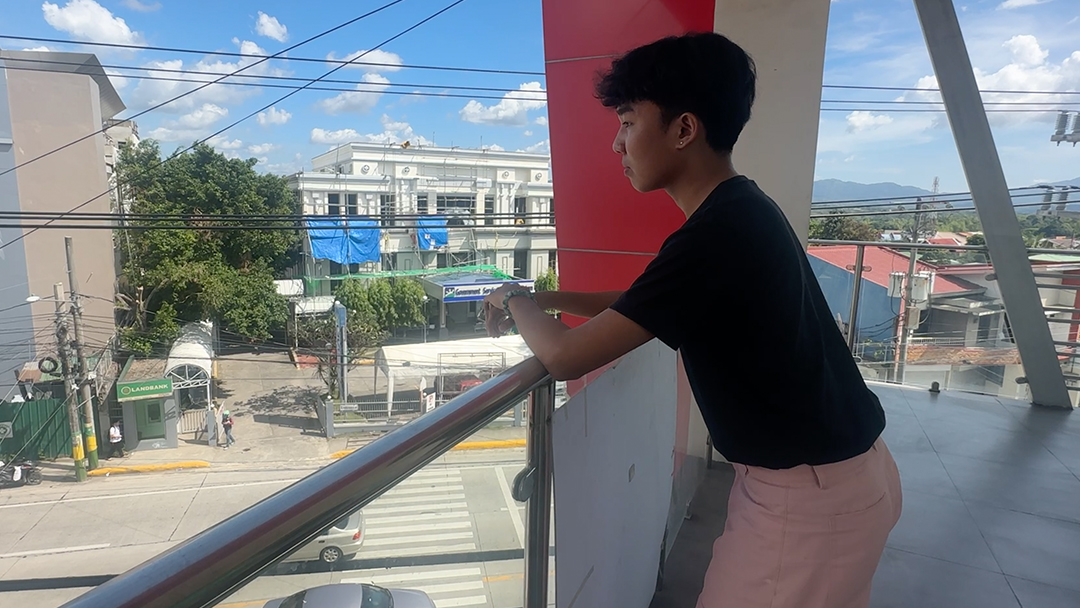
For Mac, however, the biggest challenge was dealing with self-prejudice.
“The hardest thing for me wasn’t the discrimination of my own family, but my refusal to accept myself at that time. Being in denial means you don’t love yourself that much,” he said.
Mac, who is single and is open to having a relationship, said that it is challenging to find real love in Batangas City. Mainly, this is because not that many are serious; instead, it’s all about sex for them.
“Because you are looking for that authentic love,” he said, “and some just look for sexual pleasure.”
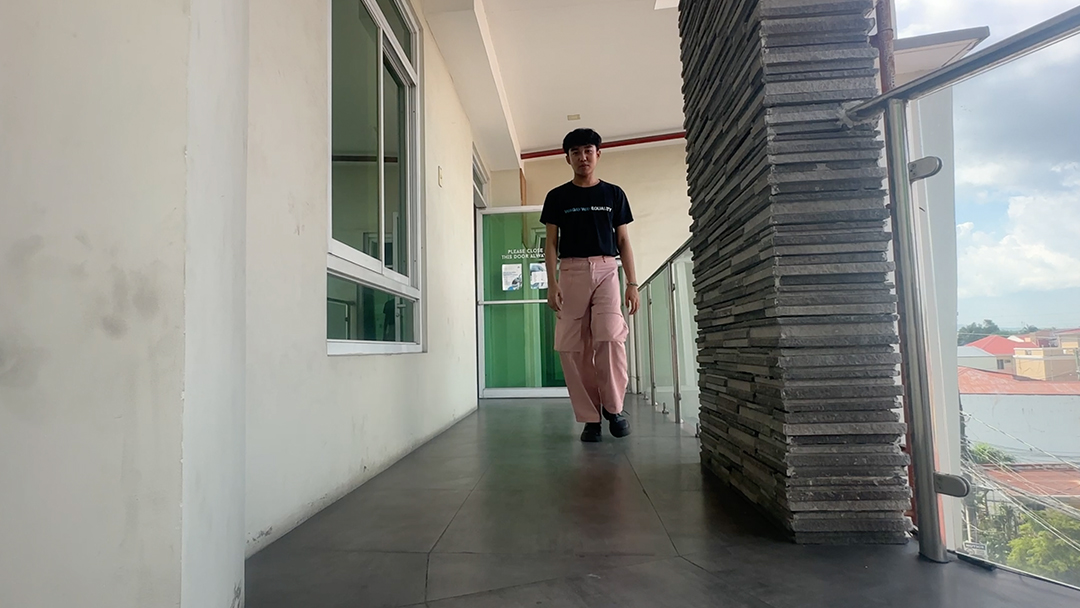
Mac believes that among the biggest issues faced by the LGBTQIA+ community is trans exclusion. They get discriminated, Mac said, including being dead-named, refused by schools, and so on.
Mac wants those who hate LGBTQIA+ people to know we don’t need pity; instead, it’s understanding we’re seeking.
“We need understanding. And for you to understand that the LGBTQIA+ community can do more. We’re not jesters, not comedians, not just the stereotypes in your head. We can be more than that,” he said.
And for younger LGBTQIA+ people, Mac’s advice is for them to take their time in finding themselves.
“It doesn’t mean that just because a friend came out, you also have to. Take your time. Know yourself. Love yourself. Don’t think of what others will say. Just be yourself. And once you’re ready, you can get out of the closet anytime you want,” Mac ended.