





















There is a particular kind of modern anxiety that did not exist twenty years ago. It lives in the gap between what someone tells you about themselves and what you can actually confirm. It surfaces in the second week of talking to someone new, when things feel good but not quite certain. It shows up in long-term relationships too, in the form of a suspicion you cannot name and cannot shake.
For a growing number of people, the response to that anxiety is no longer to simply wait and hope. It is to verify.
Third-party dating profile verification tools have been building a quiet user base for several years now. They do not advertise loudly. They do not come up in polite conversation. But the data suggests they are increasingly part of how people navigate modern relationships, and the demographics of their users are broader and more interesting than the usual narrative suggests.
What These Tools Actually Do
The premise is straightforward. You provide basic information about a person: a name, an approximate age, a location. The tool searches across multiple dating platforms simultaneously and returns what it finds. Active profiles, photos, bios, last seen dates. All without the person you are searching for knowing that a search took place.
The key distinction from earlier approaches is the breadth of coverage. Earlier attempts at profile verification required users to manually create accounts on individual platforms and search by swiping, a process that was slow, unreliable, and limited to one app at a time. Tools like CheatEye now run searches across dozens of platforms in a single pass, returning results in minutes rather than hours.
The anonymity is also qualitatively different from what people could previously manage on their own. There is no digital footprint left behind. No accidental match. No notification. The search happens, the results come back, and the person being searched remains entirely unaware. For anyone curious about how this works in practice, verifying a dating profile through one of these tools takes a matter of minutes and requires nothing more than a name and a rough location.
Who Is Using Them
The popular image of who uses these tools tends toward a particular archetype: the jealous partner, checking up on a spouse they do not trust. That archetype exists, certainly. But it is far from the full picture.
A significant and growing segment of users are people at the beginning of relationships, not the end. People who met someone through a dating app or through friends, things are going well, but they want to know whether the person they are seeing is still active on the apps before they have the exclusivity conversation. Rather than raising the subject prematurely, they verify first and decide later whether to bring it up at all.
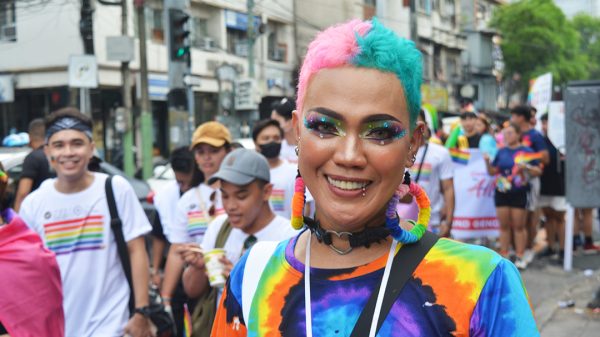
Within LGBTQ communities specifically, the use of these tools reflects some additional dynamics. Dating within smaller, more interconnected social circles means that the stakes of being misled feel higher. There is also a history of partners who are not fully out, who compartmentalise different aspects of their lives in ways that can leave the people they date with very incomplete information. Profile verification offers a way to fill in some of those gaps quietly.
Older users represent another growing cohort. People re-entering dating after long relationships or marriages often describe feeling ill-equipped to navigate the norms of app-based dating. The verification tools give them a way to gather information that feels more concrete and legible than reading signals from someone they have only known for a few weeks.
The Trust Gap These Tools Are Filling
The existence and growth of this category of tool says something pointed about the current state of online dating platforms themselves.
The major apps have known for years that profile authenticity is one of their most significant user concerns. Research published by Global Dating Insights found that around two-thirds of dating app users lack confidence in platforms’ ability to protect them from dishonest profiles, and that over 80% would support more robust identity or activity verification. Yet the platforms have been slow to implement meaningful solutions.
The structural reasons for this hesitance are not mysterious. More aggressive verification creates friction in onboarding, which affects sign-up conversion. It also surfaces uncomfortable facts about how many profiles are inactive, duplicated, or in some way misleading, which affects the perceived size and quality of a platform’s user base. The business incentives do not always align with what users actually want.
Third-party tools have stepped into this gap not by solving the problem from the platform side but by giving individual users a way to conduct their own due diligence. It is a workaround rather than a solution, but it is a workaround that is clearly meeting real demand.
The Normalisation Question
There is a broader question worth sitting with here, which is whether the widespread use of these tools represents a healthy adaptation to modern dating or a symptom of something more troubling about the trust environment that online dating has created.
The optimistic reading is that verification is simply due diligence, no different in kind from googling someone before a first date or checking their LinkedIn to confirm they work where they say they do. In this framing, these tools are giving people access to information that is, in principle, accessible to any other user of the platform. They are removing friction and saving time, not doing anything categorically new.
The more cautious reading notes that normalising verification as a standard part of early dating changes the relational dynamic in ways that are hard to fully account for. If both people in an emerging relationship are quietly running checks on each other, what does that do to the texture of trust that a relationship is supposed to be building?
There is probably no clean answer. The same technology that someone uses to confirm a new partner is genuinely single can also be used by someone in the grip of anxiety to surveil a partner who has given them no reason for suspicion. The tool is neutral. The context is everything.
What Comes Next
The category shows no signs of slowing. If anything, the broader cultural momentum around transparency and verification in digital spaces suggests these tools will become more sophisticated and more mainstream over the next few years.
Whether the platforms themselves eventually build native versions of these features remains to be seen. Some analysts predict that this will eventually become a standard feature offered directly by the major apps, potentially as a premium add-on. Others argue that the platforms have too much structural incentive to maintain ambiguity to ever fully commit to it.
For now, the third-party tools occupy a space that is neither fully endorsed nor actively shut down. They exist in the margins of the ecosystem, serving a real need that the mainstream platforms have not yet chosen to meet.
The quiet rise continues.