






























A room can be beautifully furnished and still feel unfinished. The proportions might work, the colours might be balanced, and the lighting might be carefully planned, yet something can still feel missing. Often, that missing piece is emotional depth. Landscape art has a particular way of adding it, because it brings memory, atmosphere and a sense of place into an interior.
More Than Decoration
Landscape art doesn’t just fill a blank wall. It changes how the room feels. A coastal scene can soften a formal living area. A misty mountain range can make a bedroom feel calmer. A broad, open horizon can make even a compact apartment feel more expansive. This is why collectors, stylists and homeowners often turn to landscape-focused artists such as Greg Wood’s work when they want art that feels quietly immersive rather than loud or purely ornamental.
Scale Sets the Tone
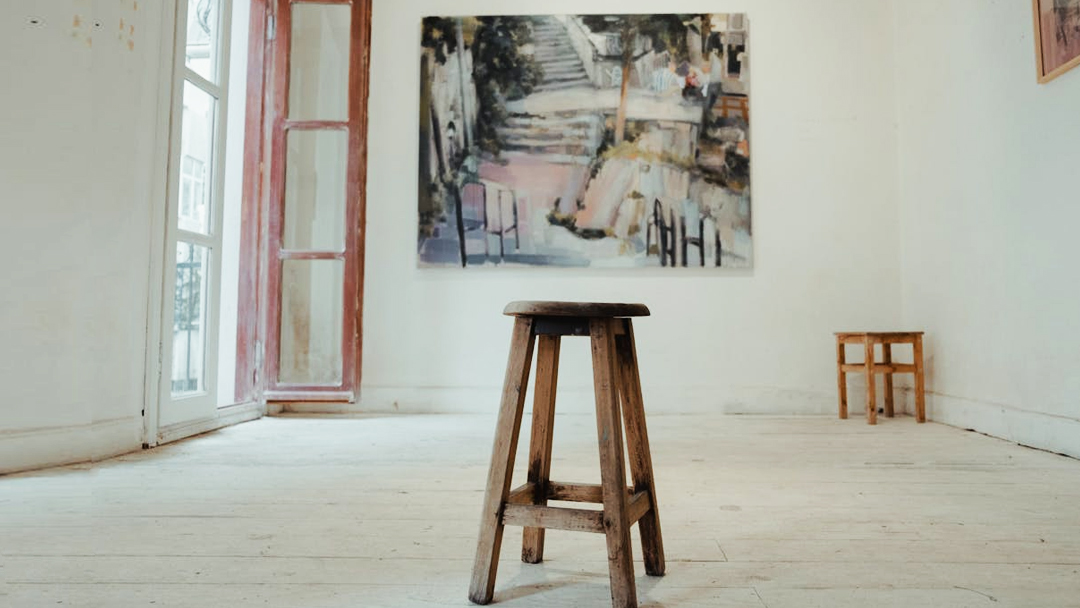
The emotional effect starts with scale. A large landscape can give a room a strong visual anchor, drawing the eye and setting the mood before anyone notices the furniture. In a dining room, it can create a sense of occasion. In a hallway, it can turn a transitional space into somewhere worth pausing.
Smaller works, on the other hand, can feel more intimate. They invite closer attention and often suit bedrooms, reading corners or layered gallery walls. The size of the piece shapes how people interact with the room, either from a distance or up close.
Colour Changes the Atmosphere
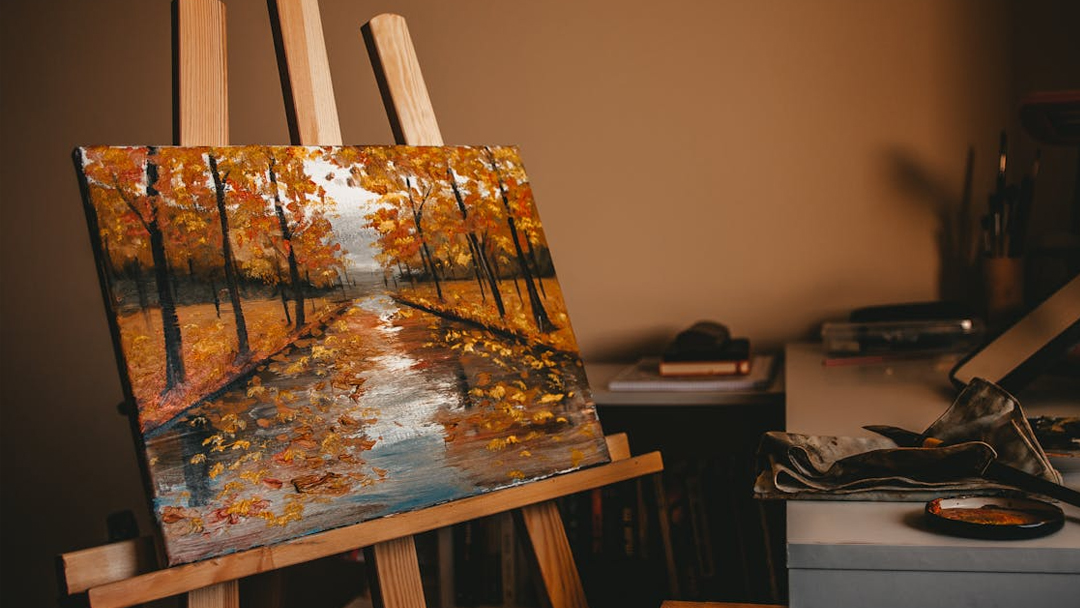
Colour plays an equally powerful role. Soft greens, muted blues and earthy neutrals tend to create a restful mood, especially when paired with natural materials like timber, linen or stone. Warmer landscapes, with ochre, rust, gold or dusky pink tones, can make a space feel more grounded and enveloping.
Darker works can bring drama and sophistication, particularly in rooms with minimal styling or strong architectural lines. The artwork doesn’t need to match the interior exactly; it should create a relationship with the space.
Landscapes Can Open Up a Room
Landscape art also changes perception of space. Interiors are enclosed by nature, but a landscape painting opens them up visually. A horizon line gives the eye somewhere to travel. Depth, distance and atmosphere can make a room feel less boxed in, even when the physical footprint hasn’t changed.
This is especially useful in urban homes, where views may be limited or windows may face neighbouring buildings. A landscape can create the feeling of openness without changing the architecture.
Natural Imagery Feels Restorative
There’s also a psychological dimension. Humans tend to respond strongly to natural imagery, even when it’s interpreted through paint, texture or abstraction. A landscape doesn’t need to be literal to have a calming effect. A suggestion of light on water, shadow across a valley or cloud over open ground can be enough to trigger association.
The viewer brings their own memories to the work, which makes the room feel more personal. A painting can remind someone of where they grew up, a place they’ve travelled, or simply a feeling they want to return to at the end of the day.
Placement Shapes the Experience
Placement matters. In living spaces, a landscape often works best where it can be seen from several angles, not just from directly in front. Above a sofa, fireplace or console, it can create a calm focal point. In bedrooms, quieter works are usually more effective than highly energetic compositions, as the goal is rest rather than stimulation. In offices, landscapes with depth and openness can help counter the intensity of screen-based work. They give the eye somewhere softer to land.
Styling Should Support the Artwork
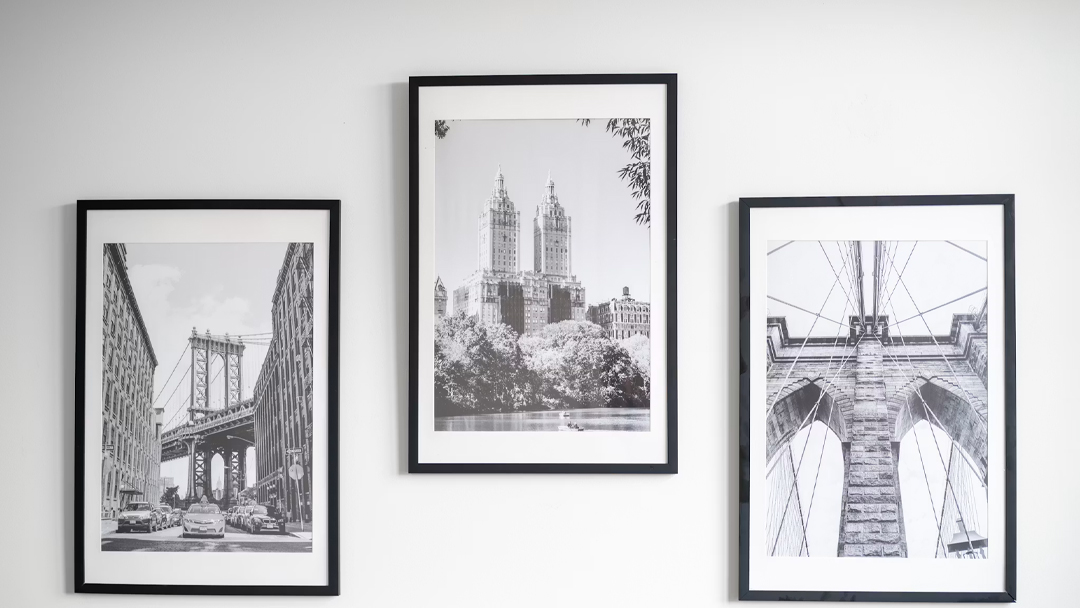
The surrounding décor should support the artwork rather than compete with it. That doesn’t mean everything needs to match. In fact, overly matched interiors can feel flat. A better approach is to let the artwork guide a few subtle choices: a timber tone that echoes the painting’s warmth, a rug that picks up a soft neutral, or lighting that brings out texture and detail without glare.
The frame also influences the effect. A fine, minimal frame can make a landscape feel contemporary and restrained. A timber frame can add warmth and organic texture. A deeper or darker frame can bring formality and weight.
A Sense of Place
Ultimately, landscape art changes a room because it changes the way people feel inside it. It can calm, lift, open, soften or ground a space. It introduces a world beyond the walls, while still belonging firmly within the home. Whether the work is vast and atmospheric or small and intimate, it gives a room something décor alone rarely can: a sense of place.