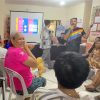
























Emphasizing the importance of “collective action among government agencies, healthcare providers, civil society organizations, and community members in addressing HIV-related challenges and ensuring equitable access to health services”, the City Health Office (CHO) of Zamboanga, along with the Gender and Development (GAD) Services, Department of Health, and Mujer-LGBT Organization marked this year’s International AIDS Candlelight Memorial (IACM).
Started in 1983 and is now coordinated globally by the Global Network of People Living with HIV (GNP+), the IACM aims to honor lives lost to AIDS, support people living with HIV (PLHIV), and break down stigma.
According to Toni Gee Fernandez, president and executive director of Zamboanga-based Mujer-LGBT Organizations, “observing IACM remains important because HIV is not just a public health issue — it is a human rights issue. While we have made progress in treatment and awareness, many PLHIVs still face stigma, discrimination, and exclusion in their communities, workplaces, and even healthcare settings.”
For Fernandez, IACM provides “a space to remember those we have lost, honor those who continue to live with HIV, and reflect on the work that still needs to be done. It reminds us that behind every HIV statistic is a real person with dreams, struggles, and dignity.”
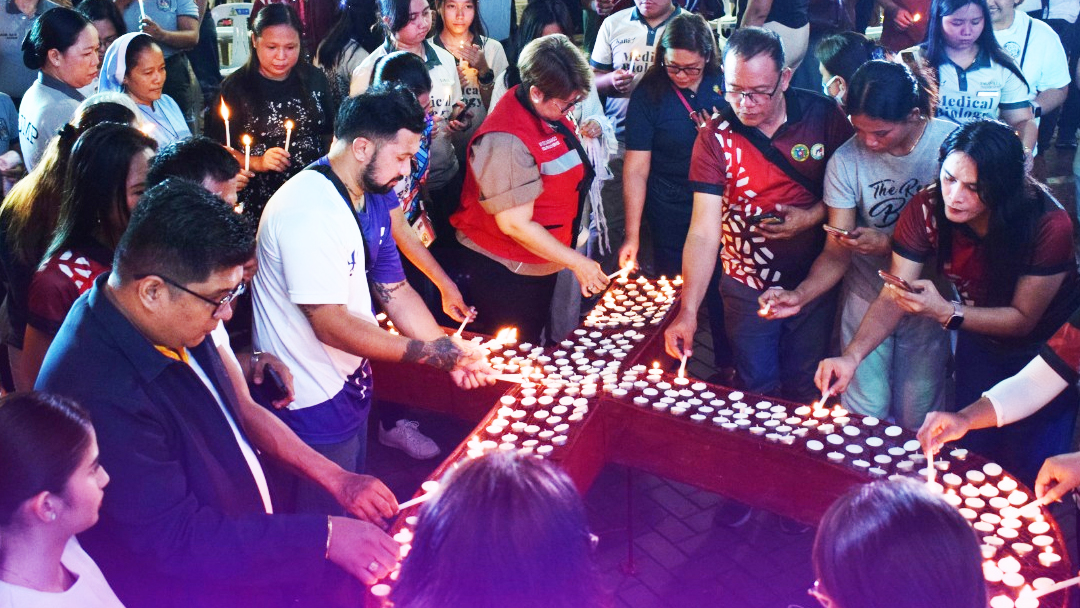
In Zamboanga, a highlight of the event was the candle-lighting ceremony, where attendees illuminated an HIV/AIDS awareness ribbon formed by candles. The symbolic activity was said to “serve as a tribute to the lives lost to AIDS-related illnesses and demonstrated the community’s continuing commitment to HIV awareness, prevention, care, and support.”
The event ended with a call for continued unity and advocacy toward ending HIV stigma and building a more inclusive and compassionate society.
“I see IACM as more than a memorial. It is a reminder of our collective responsibility to continue educating, challenging stigma, and ensuring that everyone, regardless of their HIV status, can live with dignity, respect, and equal opportunities,” Fernandez ended.