





























Feeling good about yourself can sometimes feel like a moving target. In a world full of social media feeds and idealized images, it’s easy to fall into the trap of comparing ourselves to others. This constant comparison can chip away at our self-esteem, making it difficult to feel confident in our own skin.
True confidence, however, isn’t about looking perfect; it’s about embracing who you are while also feeling empowered to present your best self to the world.
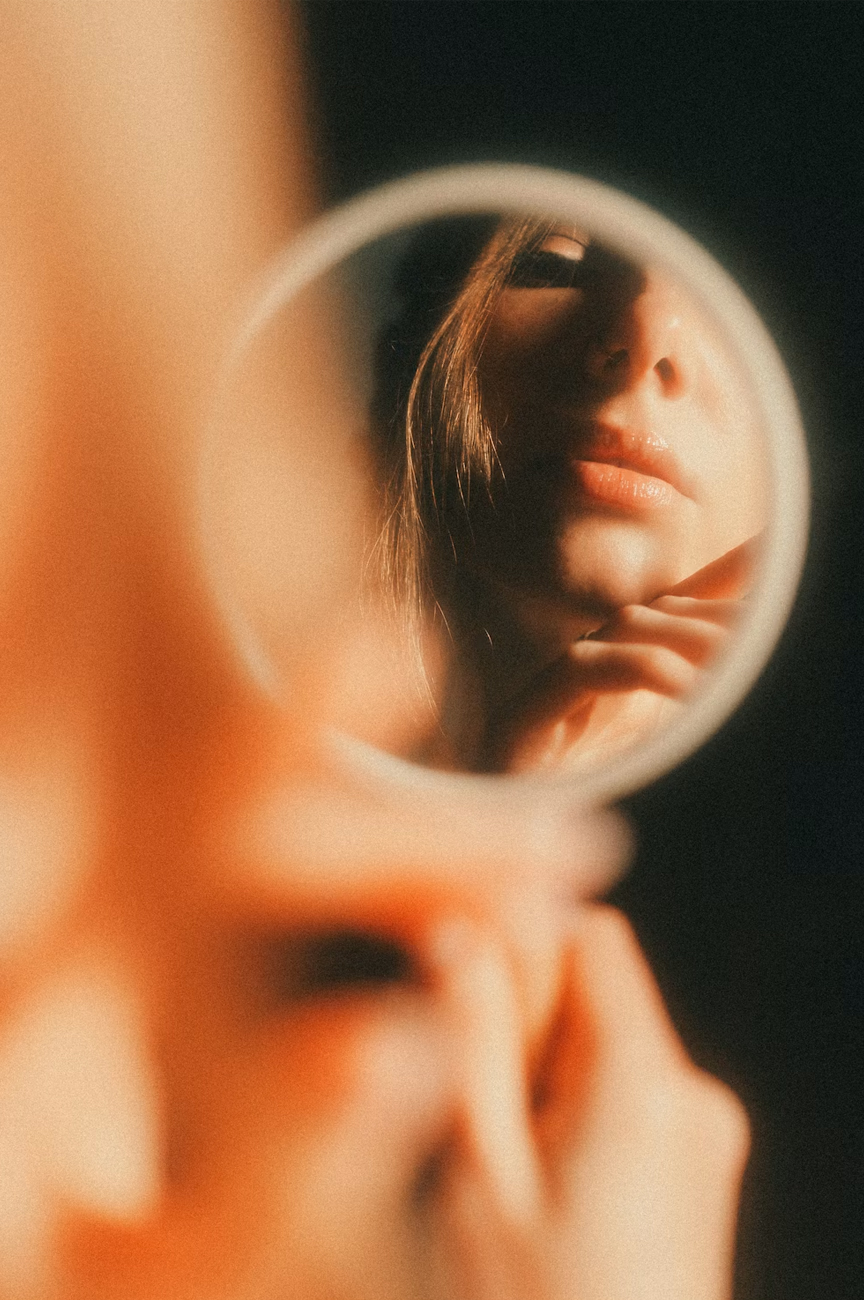
Defining Self-Acceptance
Self-acceptance is the foundation of a healthy body image. It means recognizing your inherent worth, separate from your appearance, achievements, or social status. It’s about treating yourself with the same kindness and understanding you would offer a friend. This doesn’t mean you can’t have goals for self-improvement. Instead, it means your efforts come from a place of self-care, not self-criticism.
Learning to build a positive body image means reframing your thoughts. It involves separating your identity from your physical form and appreciating your body for what it does for you every day. When you accept yourself unconditionally, you create a stable inner platform from which you can confidently pursue personal growth.
Navigating Body Standards
From magazine covers to influencer posts, we constantly see narrow and often unattainable beauty standards. These standards shift over time and vary across cultures, showing how arbitrary they really are. Trying to keep up can be exhausting and bad for mental health, especially for younger people still figuring themselves out. Understanding the connection between body image and identity is key to resisting these external pressures.
Recognizing these standards as constructs, not commandments, is the first step toward liberation. It helps to curate your social media feeds, following accounts that promote diversity and body positivity. Remind yourself that the images you see are often carefully curated, filtered, and staged. Your reality doesn’t need to match someone else’s highlight reel.
The Role of Personal Aesthetics
How we choose to present ourselves is a powerful form of self-expression. Your personal style, grooming habits, and overall aesthetic are tools you can use to reflect your personality and boost your confidence. This isn’t about following trends, but about making choices that make you feel good. For many men, facial hair is a significant part of their identity and aesthetic. It can be a symbol of maturity and masculinity.
When a man’s ability to grow a full beard doesn’t match his desired look, it can affect how he sees himself. For those who feel a patchy or thin beard is holding them back, exploring options like a beard transplant is one way to align their physical appearance with their personal sense of self. Making an informed choice about an aesthetic procedure can be an empowering step for some individuals.
Enhancing Your Appearance
Beyond specific procedures, there are many ways to enhance your appearance that also contribute to overall well-being. These acts of self-care can provide a daily confidence boost.
Develop a skincare routine: Taking care of your skin is a simple habit that can make a big difference in how you look and feel. Find your style: Wear clothes that fit you well and reflect your personality. You don’t need an expensive wardrobe, just items that make you feel comfortable and confident. Focus on posture: Standing and sitting up straight can instantly make you appear more confident and can even positively affect your mood. Stay active: Regular physical activity not only improves your physical health but also releases endorphins that boost your mood and self-esteem.
Building Lasting Confidence
While looking your best can certainly help you feel more confident, true, lasting confidence comes from within. It’s built on a foundation of self-respect, competence, and resilience. Appearance is just one part of who you are.
Focus on developing your skills and pursuing your passions. When you become good at something, whether it’s a hobby or a professional skill, you build a sense of mastery that doesn’t depend on external validation. Set and achieve small, meaningful goals. Each accomplishment reinforces the belief that you are capable and effective. Practice positive self-talk and challenge negative thoughts when they arise. Over time, these internal practices will build a resilient confidence that no bad hair day can shake.
Ultimately, confidence is a balance. It’s about accepting yourself as you are today while knowing you have the power to grow and change in ways that feel authentic to you.