


























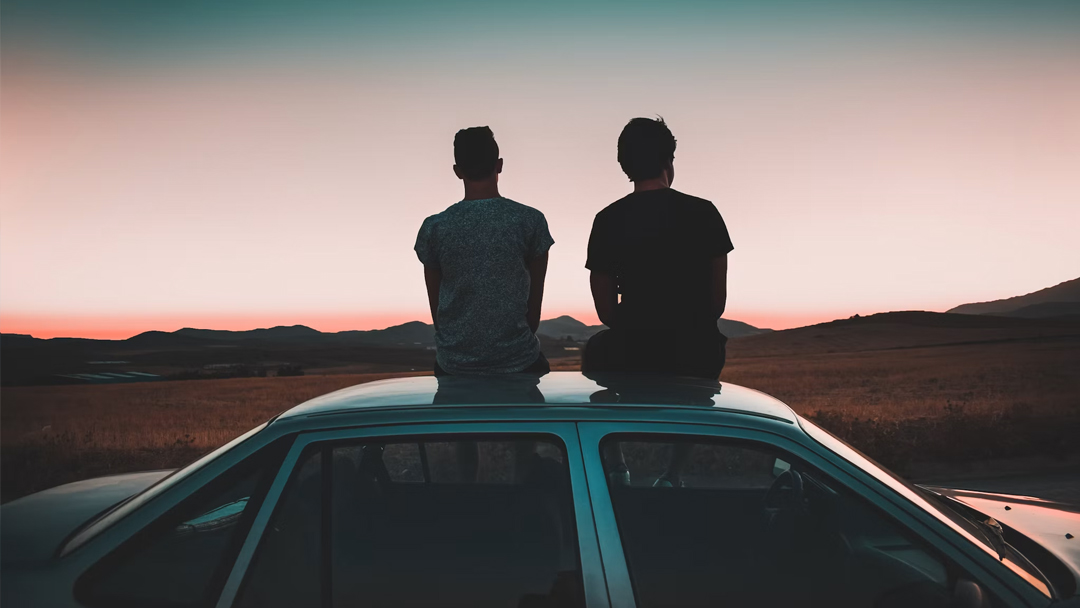
The open road has always symbolized freedom, a chance to explore new places and make unforgettable memories. For many in the LGBTQ+ community, a road trip is more than just a vacation; it’s a chance to find and create safe, welcoming spaces while discovering the world.
Planning an inclusive adventure means your journey will be full of joy and connection, not stress and uncertainty. With some thoughtful preparation, you can hit the road with confidence, ready for whatever comes next.
Finding Welcoming Destinations
A great road trip starts with a route that makes you feel secure and celebrated. Begin by looking for destinations known for being inclusive. Cities with vibrant queer communities, Pride centers, or a history of progressive values are often good choices. Resources like the International LGBTQ+ Travel Association (IGLTA) can point you to welcoming hotels, tour operators, and locations.
Beyond big cities, keep an eye out for subtle signs of acceptance. Small towns with pride flags in shop windows or businesses mentioned on queer-friendly travel blogs can be real finds. It’s also smart to check recent local news and laws for the areas you plan to drive through. While you shouldn’t let fear dictate your plans, being informed helps you prepare.
Packing Essentials for Comfort
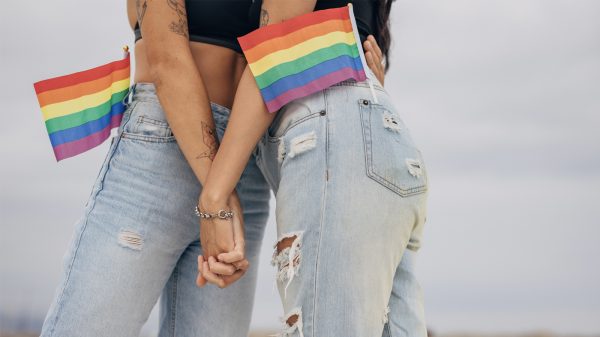
What you pack can really affect how comfortable and confident you feel on the road. Besides the usual clothes and toiletries, think about what makes you feel most like yourself. This might mean your favorite gender-affirming clothing, a small pride flag for your campsite, or personal items that bring you joy.
A comprehensive road trip packing list can help you remember basics like a first-aid kit, portable chargers, and plenty of snacks and water. Also, consider packing for any situation:
- Multiple forms of identification, if needed.
- A paper map or downloaded offline maps in case you lose service in remote areas.
- Any necessary medications, with enough for the entire trip plus a few extra days.
- Comfort items like a favorite blanket or pillow to make unfamiliar motel rooms feel more like home.
Navigating Roadside Experiences
Traveling through different towns and states means you’ll encounter all sorts of attitudes and environments. Most interactions will be perfectly fine, but it’s smart to have a plan for navigating roadside stops. Use apps like Yelp or Google Maps and look for reviews that mention inclusivity or a welcoming atmosphere when choosing restaurants or gas stations.
Trust your gut. If a place doesn’t feel right, it’s okay to leave and find somewhere else down the road. You never have to stay somewhere you feel uncomfortable or unsafe. When booking accommodations, call ahead to ask about their non-discrimination policies. A quick, friendly chat can often give you a good sense of the place. Having a backup plan, like knowing the next closest town with lodging, can also give you peace of mind.
Keeping Your Adventure Vehicle Safe
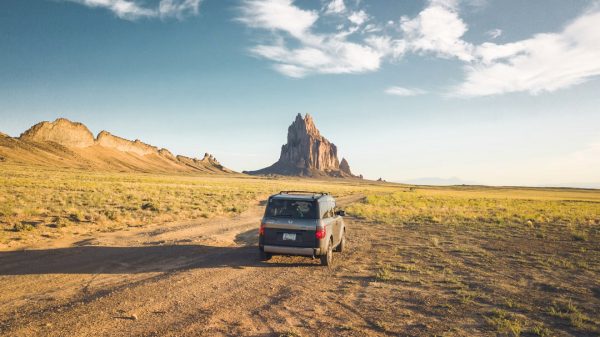
Your car or RV is your home on wheels, and keeping it secure is super important. Before you leave, do a thorough maintenance check: test the battery, check tire pressure, and top off all fluids. A well-maintained vehicle is less likely to break down somewhere unfamiliar. During your trip, always park in well-lit, populated areas when you can. Keep valuables out of sight to deter theft.
For those who own a camper van or recreational vehicle, security between trips matters just as much. Your RV is a big investment that holds countless memories. Using a secure and monitored RV storage facility during the off-season protects it from weather damage, pests, and theft, making sure it’s ready for your next adventure. This step gives you one less thing to worry about as you plan your travels.
Sharing Your Journey Safely
Sharing your amazing road trip experiences with friends and followers is part of the fun. However, it’s smart to be careful about your digital footprint for safety reasons. Avoid posting your exact location or detailed itinerary in real-time. Instead, consider posting photos from a place after you’ve already left. This stops strangers from knowing exactly where you are or where you’re headed next.
Check your social media privacy settings to control who sees your posts. Creating a “close friends” list for more personal updates can be a great way to share your journey with your trusted circle without broadcasting your every move to everyone. This lets you celebrate your adventure freely while keeping a crucial layer of personal security.